
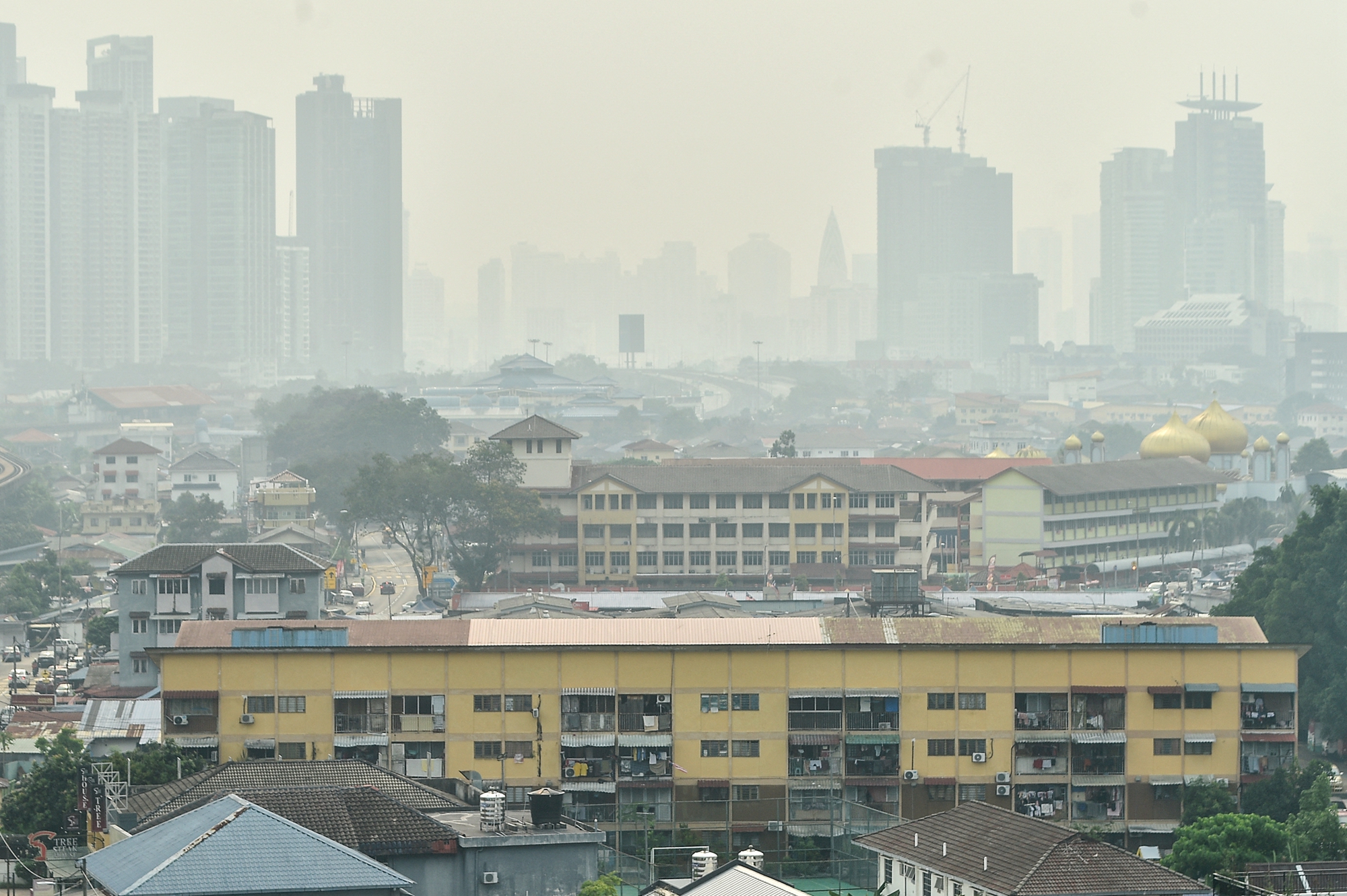
Indonesia is currently facing the most serious forest and peatland fire crisis in 11 years, generating harmful haze that not only deteriorates the local air quality but also leads to an increase in respiratory illnesses among the population. Additionally, it severely impacts the air quality in neighboring countries Malaysia and Singapore.
According to various media reports, affected by the super El Niño phenomenon, Indonesia’s Sumatra Island and Borneo (Kalimantan) have been experiencing prolonged droughts and high temperatures, leading to large-scale forest fires and agricultural land clearing “slash-and-burn” incidents. Despite a recent reduction in the number of fire hotspots in some areas, as peatlands underground have a strong smoldering characteristic, the fires have not been completely extinguished, posing a serious risk of reignition.
The latest real-time data shows that the air quality index (AQI) in many parts of Indonesia is at severe pollution or dangerous levels. For instance, the AQI in Palembang in eastern Sumatra Island soared to 806, reaching an extremely hazardous level; cities like Pekanbaru and Pontianak have recorded real-time AQI readings exceeding 220, classified as very unhealthy levels.
Due to the southwest monsoon winds, the thick smoke has spread extensively to neighboring countries. Singapore recently experienced the worst air pollution level globally, while Kuala Lumpur in Malaysia and the state of Johor were also severely affected by cross-border haze. Due to the air pollution index (API) exceeding 200 points (very unhealthy levels), schools in the district of Batu Pahat in Johor had to be closed on Wednesday (7th).
Indonesia’s forestry sector has warned that this severe fire and haze situation may persist until November when rainfall increases before seeing a significant relief. Currently, Malaysia and other neighboring countries have expressed willingness to mobilize resources to assist Indonesia in extinguishing the fires. ASEAN countries are urgently calling for a special meeting to collectively address this transnational environmental crisis.