
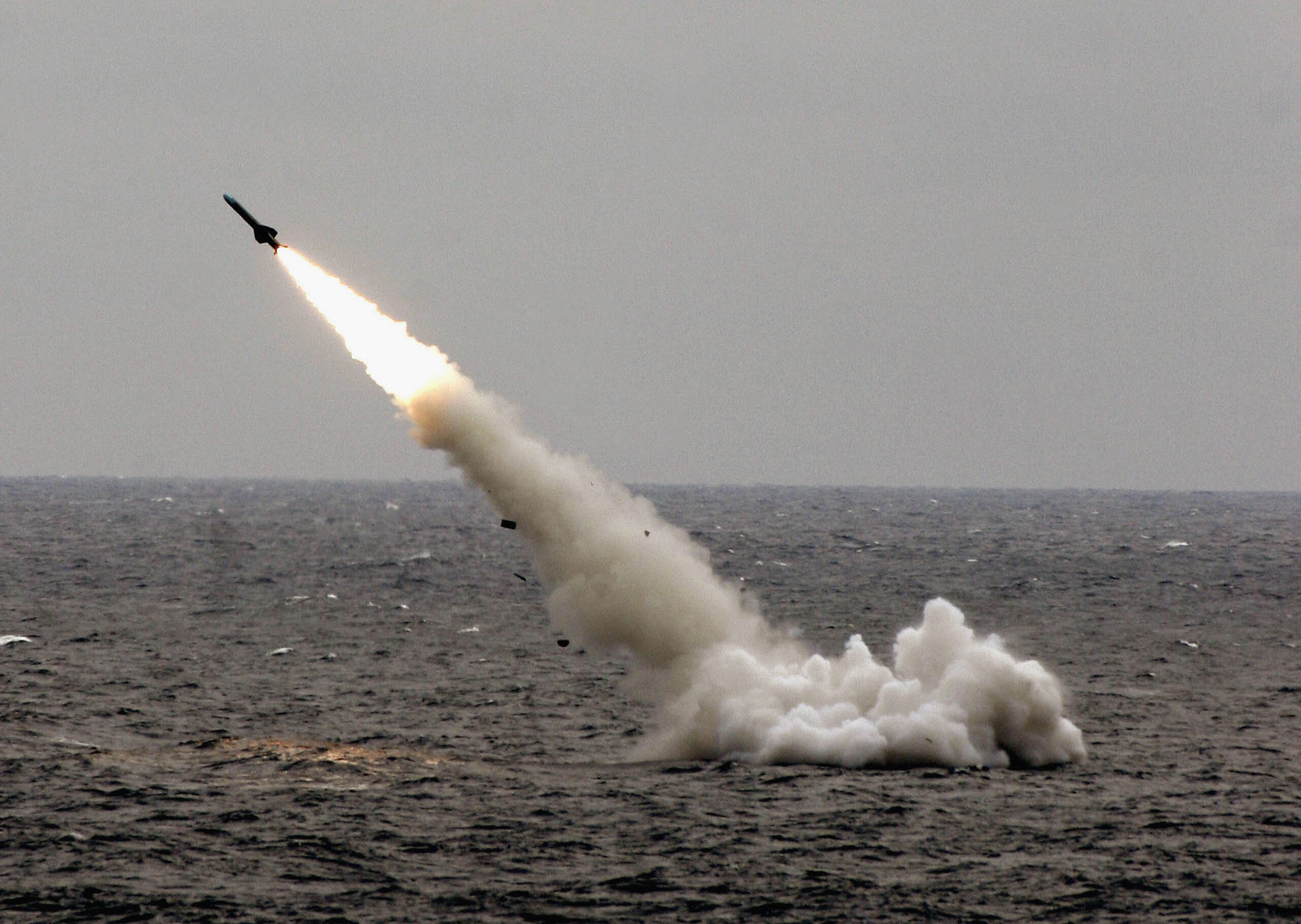
In response to a joint statement issued by 41 countries including the United States expressing concerns over recent missile tests in the Pacific region (referred to as missiles by the mainland), Taiwan’s Minister of Foreign Affairs, Joseph Wu, welcomed and commended the international community for speaking out about regional security in the Indo-Pacific region and once again condemned China’s various threatening actions that disregard regional stability.
The Chinese Communist Party (CCP) conducted a test launch of an intercontinental ballistic missile capable of carrying nuclear weapons in the Pacific in July. The United States, Japan, South Korea, the Marshall Islands, Palau, the Philippines, Australia, New Zealand, and 41 countries jointly issued a statement pointing out that recent missile tests in the Pacific did not follow the standard notification and coordination practices observed by most countries. They called for the establishment of a transparent and regular mechanism for advance notification among countries to reduce the risk of misjudgment and unintended escalation.
The Ministry of Foreign Affairs of Taiwan issued a press release stating that the U.S. State Department announced on the 11th the joint statement issued by 41 countries, expressing concern that China did not provide sufficient and appropriate advance notification when it test-launched submarine-launched missiles into the Pacific on July 6.
Minister of Foreign Affairs, Joseph Wu, welcomed and commended the united voice of the United States and other international communities expressing concerns and importance about security in the Indo-Pacific region, and once again condemned China’s various threatening actions that undermine regional stability.
The Ministry of Foreign Affairs pointed out that the CCP continues to significantly expand its military power and attempts to unilaterally change the status quo of the Taiwan Strait and the Indo-Pacific region through various gray-zone tactics such as military intimidation, economic coercion, cognitive warfare, and intimidation by military aircraft and ships. This not only poses a threat to Taiwan but also poses a serious challenge to the security and peace of neighboring countries and the region as a whole.
The Ministry of Foreign Affairs emphasized that maintaining peace and stability in the Taiwan Strait and the Indo-Pacific region is a consensus of the international community and serves the common interests of all parties. Taiwan, as a responsible member of the international community, will continue to work closely with the United States and like-minded partners to jointly uphold peace, stability, and prosperity in the Taiwan Strait and the Indo-Pacific region.