
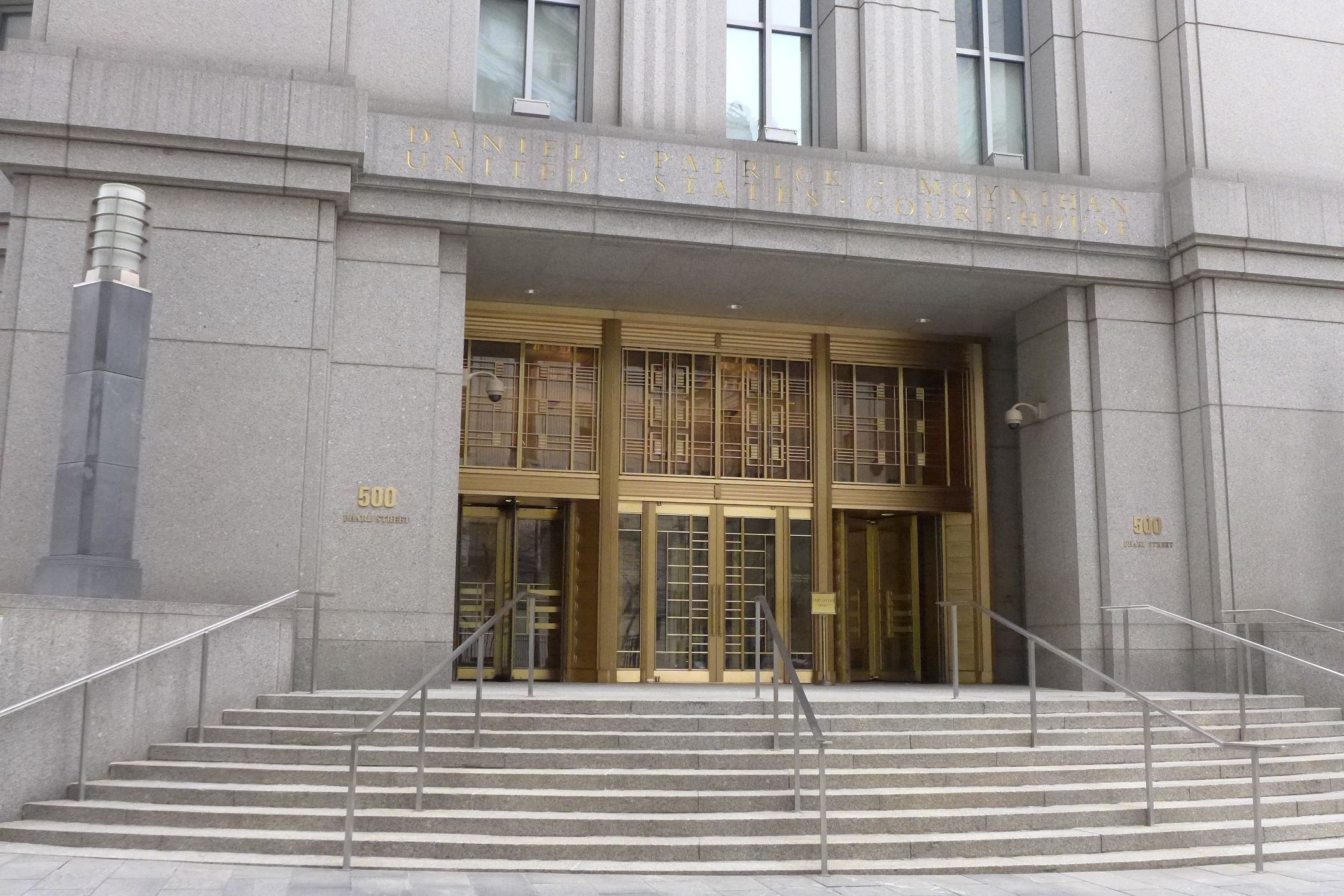
On October 10, 2026, former external contractor Ting-Wei “Willy” Sun of Super Micro Computer pleaded guilty in federal court in Manhattan on Thursday, October 8.
According to court documents, Sun appeared in court on Thursday and pleaded guilty as part of an agreement reached with prosecutors. The relevant documents were submitted on Friday, October 9.
The case, titled “United States v. Liao Yixian et al.,” is being heard in the Southern District of New York federal court. Sun’s sentencing date has been set for September 8, 2027.
In March of this year, US prosecutors accused Sun and three others of conspiring to violate export control laws by shipping servers worth about $2.5 billion, equipped with NVIDIA’s advanced artificial intelligence (AI) chips, to China.
The other two individuals involved in the case are Super Micro Computer co-founder Yih-Shyan “Wally” Liaw and former general manager of the company’s Taiwan office, Ruei-Tsang “Steven” Chang. Liaw has pleaded not guilty, while Chang has yet to appear in court in this case.
The indictment indicates that the plan began around 2024. The defendants allegedly used a company in Southeast Asia as a transit point to ship servers to the company, then onward to Chinese customers to conceal the identity of the ultimate buyers.
The indictment also revealed that the defendants and their accomplices attempted to evade scrutiny from Super Micro Computer and US government auditors, including forging records and creating counterfeit servers, using a hairdryer to affix genuine serial number labels to create the impression that the servers were still in the warehouse.
Super Micro Computer is not a defendant in this case. The California-based company stated earlier this year that it is cooperating with US authorities’ investigation, has suspended Liaw and Chang temporarily, and terminated its collaboration with Sun.
In August, the company also stated that current senior management was not aware of this alleged shipping scheme following an independent investigation.
Both the US and China are engaged in competition in the field of artificial intelligence, with both investing billions of dollars in developing this technology as it is seen as crucial for economic growth, national security, and military and cybersecurity capabilities.
Due to national security concerns, Washington has tightened export controls, restricting the sale of advanced AI chips and server systems to China without approval.
The indictment notes that NVIDIA’s B200, H100, and H200 graphics processors, along with servers equipped with these processors, are included in the Commerce Control List, subject to export restrictions.