
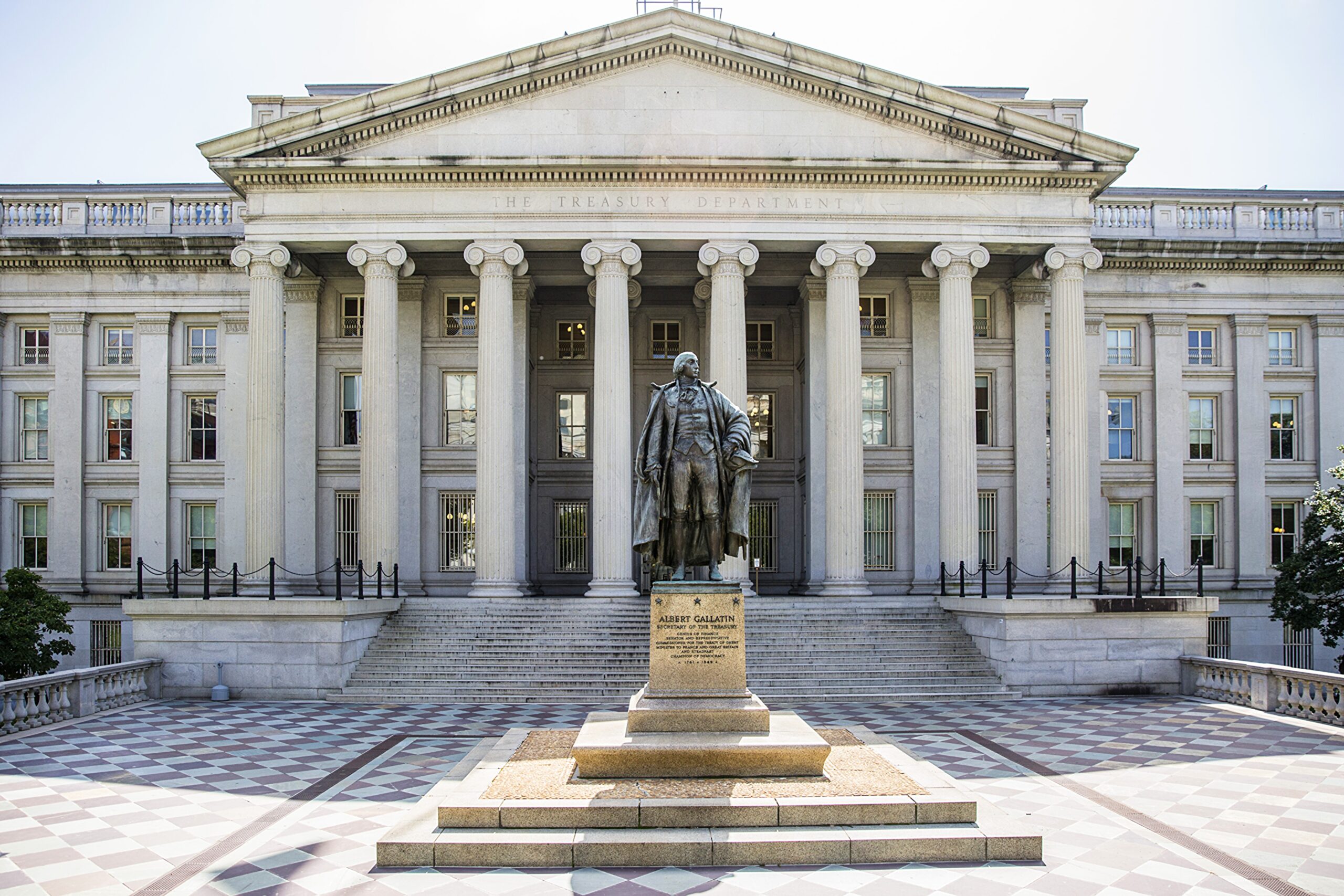
The U.S. Department of the Treasury’s Office of Foreign Assets Control (OFAC) issued a stern warning to foreign financial institutions worldwide on Monday, October 5th, stating that any institution continuing business dealings with Iran or its financial sector may face sanctions from the U.S. at any time without prior notice.
The U.S. authorities have requested the involved institutions to take immediate action to terminate business relationships and transactions with sanctioned Iranian entities.
This warning is part of the “Operation Economic Outcast” announced by the U.S. Treasury Secretary Scott Bessent targeting Iran.
On August 24th, the U.S. expanded secondary sanctions under Executive Order 13902 to include individuals and entities supporting Iran in digital assets, technology, gold, aviation, and shipping sectors.
On August 28th, Banque Misr UAE, a branch of the Egyptian state-owned bank, had its access to U.S. correspondent banking cut off by the U.S., identifying it as a crucial node for the Iranian regime to obtain U.S. dollars.
On September 4th, Golden Global Bank in Turkey and its subsidiaries were designated for sanctions for facilitating multi-million dollar transactions for the IRGC-QF and providing key correspondent banking services.
On September 8th, the U.S. Treasury launched a major strike against Iran’s civil aviation and air transport industry, adding 27 Iranian airlines and 36 individuals and entities involved in procuring aircraft components and providing logistical support to the sanction list, while suspending relevant civil aviation licenses, warning global entities that continuing to provide services will risk being cut off from the global financial system.
On September 14th, VTB Bank of Russia was sanctioned by the U.S. for participating in aiding Iran in evading sanctions and establishing correspondent banking relationships.
On October 1st, the U.S. Treasury further blocked Iran’s automotive, railway, and metal industries, targeting major Iranian car manufacturers and their overseas component suppliers, and designating several entities in mainland China, Hong Kong, UAE, and Turkey.
The U.S. emphasized that Iran has long relied on a “shadow banking” network consisting of trusted parties, shell companies, and fronts to launder money (primarily from oil and commodity exports) to conceal the source of funds and connections to Iran.
Foreign financial institutions are urged to refer to guidelines issued by the Financial Crimes Enforcement Network (FinCEN), take preventive measures against risks, identify and block shadow banking and digital asset money laundering channels.
Institutions facilitating Iran’s entry into the global financial system will face strict restrictions such as revocation of U.S. correspondent banking privileges or the ability to open payable-through accounts.
Should related transactions lead to violations of sanctions regulations by U.S. financial institutions or citizens, the involved foreign financial institutions will face civil and criminal law enforcement penalties.
On February 28th, the U.S. launched military strikes against Iran to curb Iran’s nuclear program and missile threats. Simultaneously, the U.S. escalated economic pressure on the Iranian regime by further cutting off its financial lifelines and military funding sources. The U.S. has explicitly warned countries that failure to sever commercial ties with Iran will subject their key companies and financial entities to a high risk of complete exclusion from the U.S. dollar financial system.