
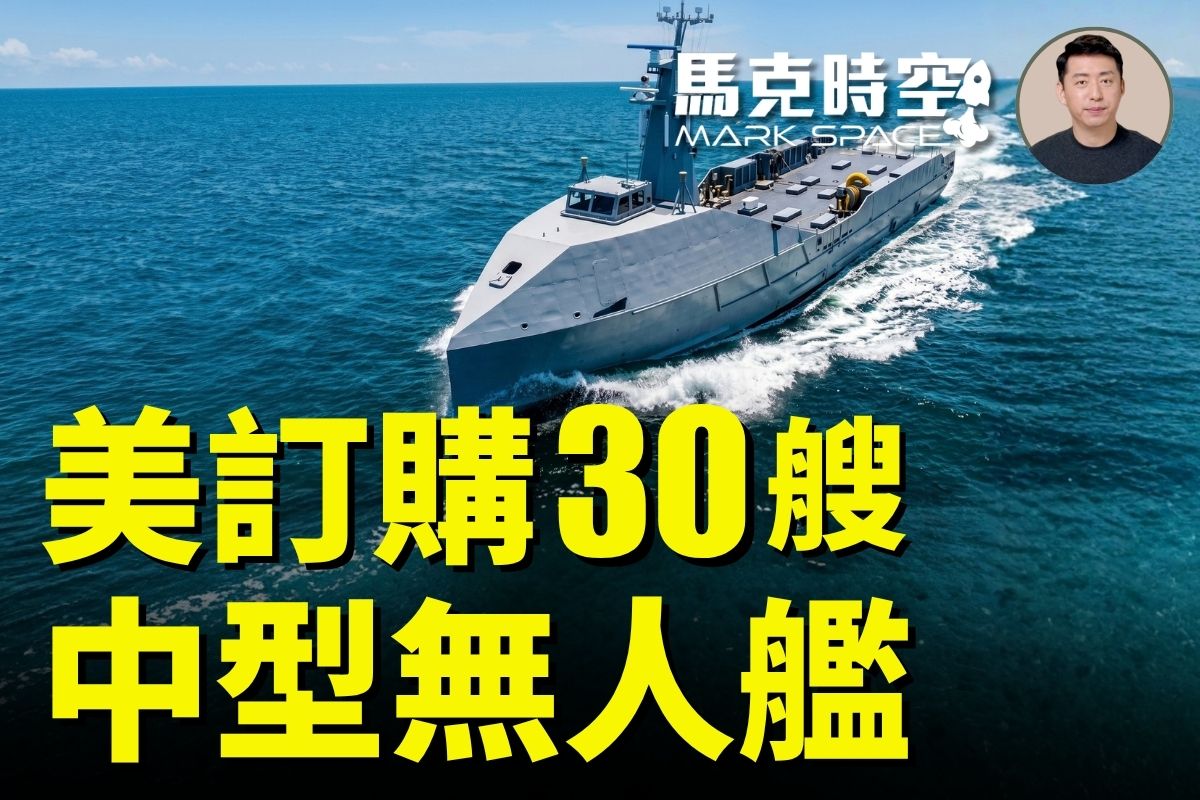
The US Navy recently announced an unusual procurement of 30 medium-sized unmanned surface vessels (MUSVs) from three companies. The average cost per vessel is $40 million, totaling approximately $1.2 billion. The process, from the navy’s call for proposals in March, to selecting finalists in May, beginning sea trials in June, and placing production orders by the end of September, was completed in about six months. This rapid pace of procurement is unprecedented in US shipbuilding history.
These 30 unmanned vessels are of great interest. What are they, how were they selected, and what does the US Navy plan to use them for? The acquisition of such a significant number of MUSVs raises questions about the navy’s strategic objectives and operational capabilities. It showcases a shift towards unmanned technology in maritime operations and highlights the importance of these vessels in future naval strategies.
The development and deployment of these MUSVs represent a significant step forward in naval warfare, enhancing reconnaissance, surveillance, and targeting capabilities. These unmanned vessels can perform a variety of missions without risking human lives, making them invaluable assets in modern warfare scenarios. They can gather intelligence, conduct mine countermeasures, support amphibious operations, and enhance overall situational awareness for the fleet.
In recent years, the US Navy has been exploring and investing in unmanned systems to stay ahead in a rapidly evolving maritime environment. The acquisition of 30 MUSVs signifies a commitment to modernizing the fleet and adapting to emerging threats. By incorporating cutting-edge technology and innovative solutions, the navy aims to maintain superiority at sea and effectively deter potential adversaries.
Moreover, the procurement of these unmanned vessels reflects a broader trend in military modernization, where autonomy and artificial intelligence are increasingly integrated into defense operations. As the nature of warfare continues to evolve, unmanned systems play a crucial role in enhancing military capabilities and ensuring mission success in complex and contested environments.
The US Navy’s investment in MUSVs not only demonstrates a shift towards unmanned technology but also highlights the importance of agility and adaptability in responding to security challenges. These vessels represent a versatile and cost-effective solution for expanding maritime capabilities, enabling the navy to conduct a wide range of missions more efficiently and effectively.
In conclusion, the acquisition of 30 MUSVs by the US Navy signifies a significant advancement in unmanned naval technology and underscores the military’s commitment to innovation and modernization. These vessels are poised to play a vital role in future naval operations, shaping the way maritime forces operate and maintain a competitive edge in an increasingly complex security landscape.