
In recent days, the three major airlines of the United Arab Emirates (UAE) – Emirates, Etihad Airways, and flydubai – have reported a strong rebound in passenger capacity and demand. As Gulf airlines gradually emerge from the operational disruptions and airspace restrictions brought about by the Iran conflict, the major carriers are highly optimistic about the upcoming winter tourism peak season.
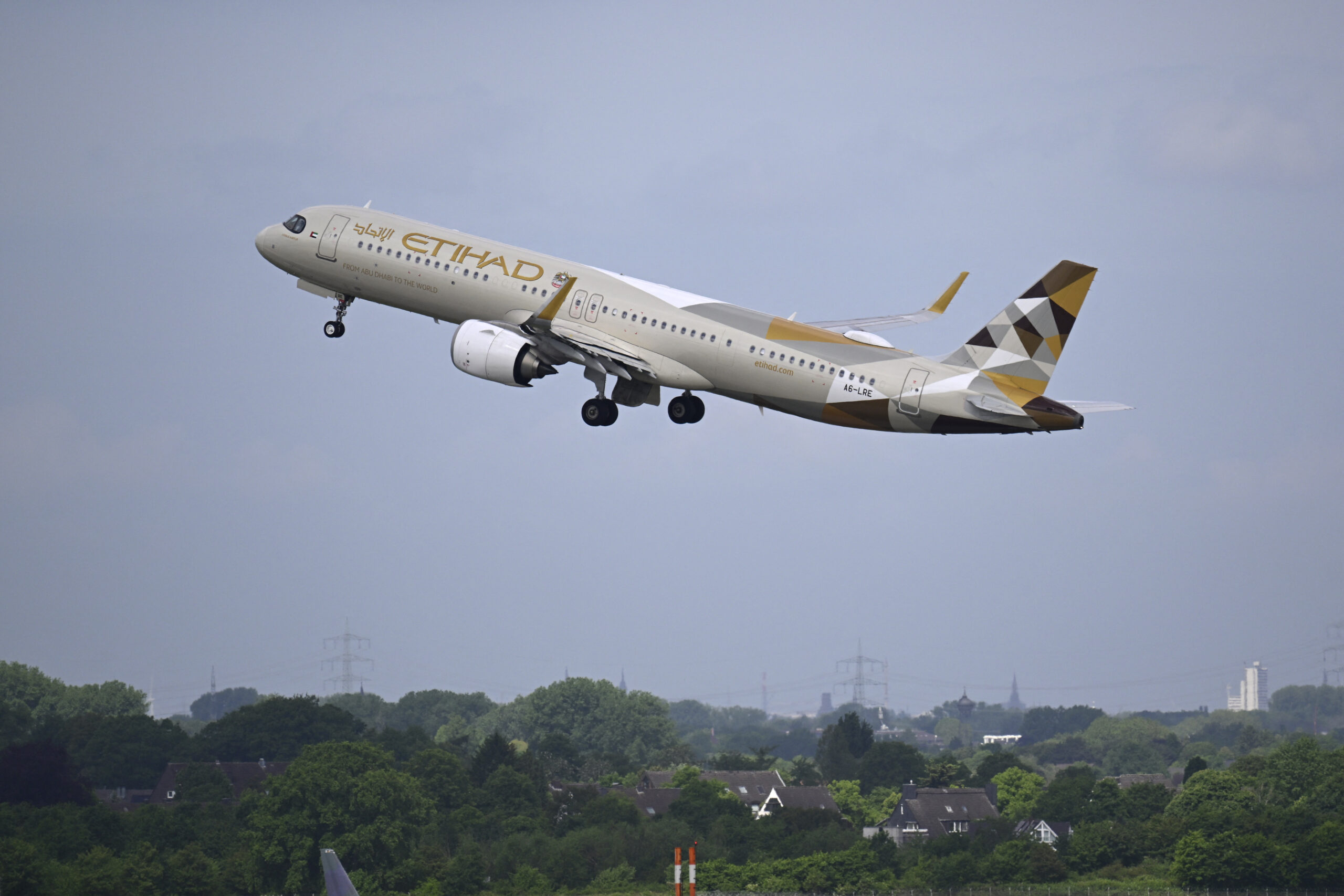
Etihad Airways, the UAE’s second-largest airline, has seen its operations “back on track,” according to its CEO Antonoaldo Neves, who told Reuters on Monday, September 14th. Available seat kilometers (ASK), a core indicator of airline capacity, have surged by 15% to 17% compared to the same period last year.
Neves emphasized the extremely strong market demand, stating that flights are “completely full, full, full,” with a passenger load factor reaching 92% in August. He expects to maintain a high level above 87% for the remainder of the year.
The global travel disruptions caused by the Iran conflict earlier this year resulted in increased fuel prices and widespread flight disruptions in the Middle East and other regions. The Middle East aviation industry, one of the largest in the world, has been severely affected by conflict-related route disruptions but has gradually resumed full operations.
Emirates, the UAE’s largest airline, has also shown a strong recovery momentum, with its capacity restored to around 93% of pre-conflict levels. In the summer months (July to August), it achieved a record-breaking passenger volume of over 8.6 million. flydubai, the third-largest operator and a low-cost carrier, has rapidly filled the demand gap for short to medium-haul and regional connecting flights through codeshare agreements and new route expansions with Emirates.
This recovery trend is also evident in the neighboring Gulf countries. As one of the key transit hubs in the region, Qatar Airways quickly restored connectivity at the Doha hub after airspace reopening, reaching pre-conflict transit passenger levels across Europe and Asia.
Benefiting from the “2030 Vision” and pilgrimage trends, Saudia has seen a significant increase in passenger volume and international route expansions targeted at strong travel demand in the Middle East and Africa.
Oman Air and Bahrain’s state-owned flagship carrier Gulf Air have also reported a resurgence in regional business and leisure routes, with stable passenger load factors.
Despite earlier geopolitical conflicts driving up jet fuel prices and leading to large-scale route adjustments in the Middle East, major Gulf airlines have demonstrated high resilience through high passenger loads and the introduction of new aircraft. Industry experts point out that the primary challenge for Gulf carriers remains the persistently high pressure of fuel costs. However, with robust demand for global connecting and inbound tourism, the Middle East aviation sector is entering a new operational peak.