
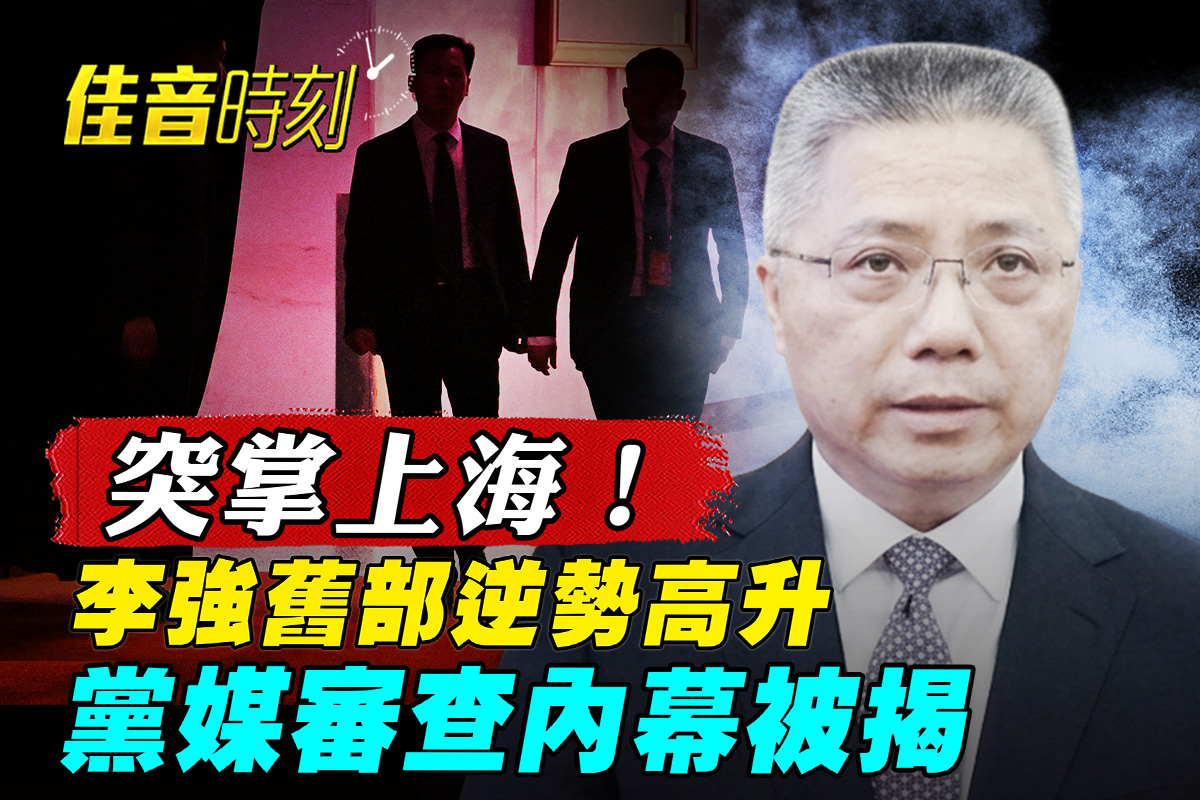
On the eve of the 21st National Congress of the Communist Party of China (CPC), there have been significant changes in the top-level personnel arrangements. Former colleague of Li Qiang from Zhejiang, Zhu Zhongming, has been promoted to acting mayor of Shanghai. It is worth noting that Zhu Zhongming is neither a member of the Central Committee nor a candidate member of the Central Committee, and the official circles where he has previously worked in Zhejiang, Hunan, and other places are now in turmoil. Many people are surprised at how he managed to rise to such a high position “amidst the wave of officials around him falling from grace”.
At the same time, the inner workings of the CPC’s external propaganda have been unveiled. Eight former foreign employees of China Global Television Network (CGTN) have broken their silence, revealing the behind-the-scenes information on how news is subject to layers of scrutiny, including the confession on TV by the former employee of the British Consulate General in Hong Kong, Zheng Wenjie.
Furthermore, a strange scene recently appeared at a farmers’ market in Shanghai: all the knives on the meat stalls were chained up. After images of this incident circulated, netizens exclaimed, “Is the Xinjiang model now being implemented in Shanghai?”
Such developments before the 21st National Congress have stirred discussions and speculations among the public on the direction of the Party’s leadership and policy changes, especially against the backdrop of ongoing political turbulence in various regions of China.
These latest events might also have implications for the CPC’s international image and relations, as the revelations about media censorship and the peculiar market incident are likely to attract attention and raise questions among foreign observers and critics.
As the political landscape in China continues to evolve and the Party prepares for its important congress, more changes and unexpected developments may surface, shaping the country’s future direction and leadership dynamics in the coming years.
This is a crucial period for China, and the decisions made at the 21st National Congress of the CPC are expected to have far-reaching effects domestically and internationally, influencing policies, personnel appointments, and the Party’s strategic direction in the foreseeable future.