
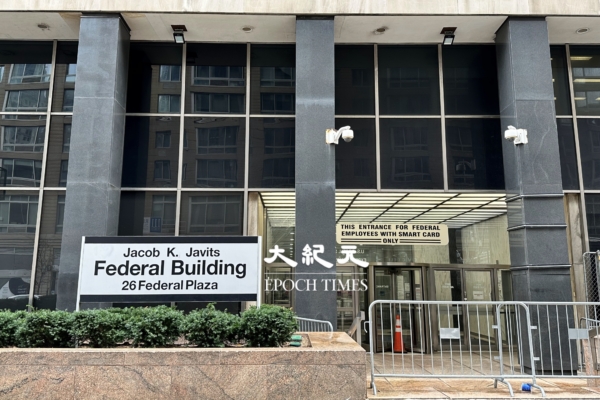
The United States immigration court is processing cases at an unprecedented speed. According to the latest data released by the Transactional Records Access Clearinghouse (TRAC) at Syracuse University on September 11th, in July of this year, over 104,000 immigration cases were concluded nationwide. This marks a new high following the previous month of June when the number first exceeded 100,000 cases. At the same time, the number of individuals ordered for deportation has significantly increased.
TRAC data shows that from the start of the 2026 fiscal year (beginning in October 2025) until the end of July this year, the immigration court has closed 797,487 cases, with 104,029 cases closed in July alone, surpassing the 100,000 mark once again as in June.
The June closure figure was adjusted from the initially reported 107,730 cases to 105,214 cases due to delays in docketing by the Executive Office for Immigration Review (EOIR).
In July, 82,787 individuals were ordered for deportation by judges, accounting for nearly 80% (79.6%) of the total cases closed, compared to about two-thirds of cases six months ago.
In July, 8,779 individuals were granted voluntary departure. When including those who voluntarily left, the overall percentage of individuals requested to depart reached 88%. Additionally, 1,636 individuals obtained some form of immigration relief.
With the acceleration in case closures, there is a noticeable increase in asylum denial rates and deportation orders. Previous TRAC data revealed that in March and June of this year, monthly asylum case decisions exceeded 14,000 cases, with over 13,000 cases in April and May. However, in June, only 771 individuals were granted asylum, resulting in an asylum denial rate of 94.1%.
Nevertheless, TRAC pointed out that the cases being closed rapidly include a large number of old cases that have been backlogged for years. Therefore, the increase in closed cases has not translated into a decrease in the average processing time per case. Individuals who received a removal order in July experienced an average of 901 days from the Notice to Appear (NTA) issuance to case decision, a 51% increase compared to the average of 597 days in July 2024.
As of the end of July this year, approximately 3.14 million cases are still backlogged in immigration courts across the United States, with around 2.29 million immigrants having submitted formal asylum applications and awaiting hearings or decisions.
New York immigration lawyer Chen Chuangchuang, interviewed on September 11th, stated that based on the current trends in immigration court and USCIS operations, a clear direction is the expedited processing of cases.
“The government is now focused on closing cases as quickly as possible, so the overall processing speed is fast,” Chen said. “Whether it’s the immigration court or USCIS, one thing is consistent: they all want to conclude cases swiftly.”
He emphasized that under this scenario, the completeness of evidence submitted by the parties and the readiness of the cases are more crucial than ever before.
“If your evidence is strong, it makes things easier for them; if your evidence is weak, it makes things easier for them too,” Chen said. He explained that insufficient evidence in a case could lead to unfavorable decisions being made swiftly, whereas if the evidence is thorough and credible, a judge may only need to ask a few key questions to reach a decision promptly.
Therefore, he particularly advised asylum seekers not to adopt a mindset of waiting for years for their cases and supplementing evidence later, but instead, to promptly seek professional assistance in preparing their documents and evidence comprehensively.
“For the parties involved, it is crucial to prepare your materials as thoroughly as possible as early as possible, rather than hoping for a last-minute miracle. That is my biggest recommendation,” Chen emphasized.