
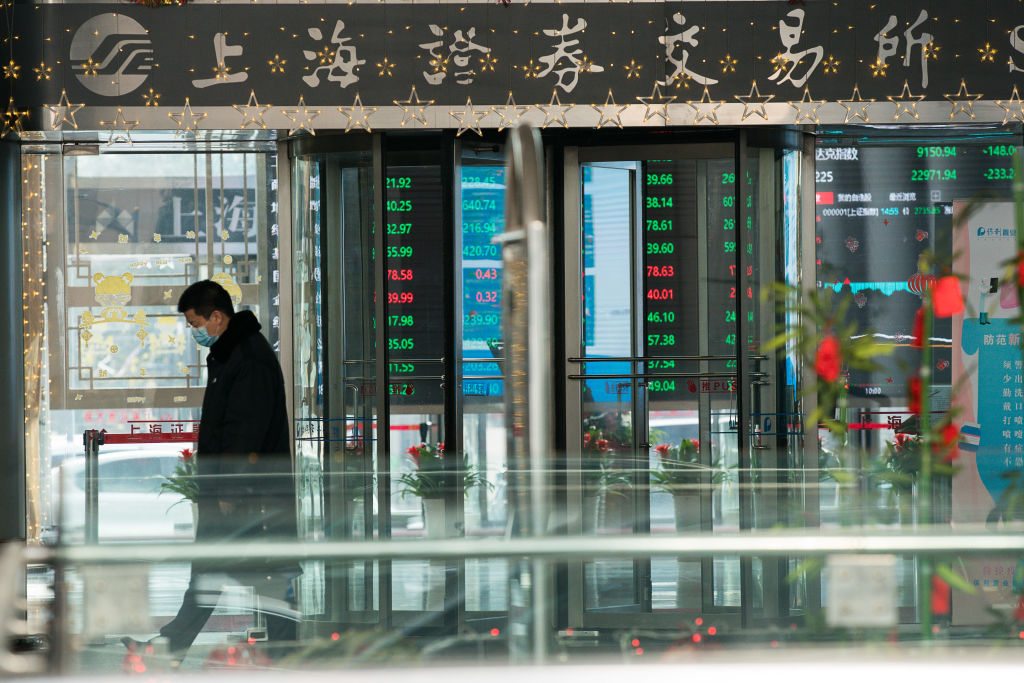
In recent times, the A-share market in China has been weakening continuously. On September 11th, the A-shares experienced heavy selling pressure, with all three major indices dropping collectively. The Shanghai Composite Index fell below the key psychological level of 3900 points, with all three indices plunging by more than 2% at one point during the trading session. Over 4800 stocks in the market registered declines.
At the close of trading, the Shanghai Composite Index reported 3888.11 points, down by 1.18%; the Shenzhen Component Index was at 13,471.26 points, down by 1.08%; the ChiNext Index stood at 3322.04 points, down by 0.49%. The CSI 300 Index dropped by 0.84%, the STAR 50 Index by 1.45%, and the STAR Market 50 Index by 1%. The Nasdaq-style board, the SZSE Component Index, sank by 2.66%.
Stocks across the board experienced widespread declines, with 643 stocks rising and 4870 stocks falling. The total turnover of the two markets amounted to 1.9718 trillion yuan, with a substantial trading volume of 324.751 billion, indicating a scenario of heavy selling pressure on increased trading activities.
It is worth noting that the turnover of A-shares has been shrinking for consecutive days. This week, the turnover in the Shanghai and Shenzhen stock markets has been persistently below 2 trillion yuan, and on September 10th, it was only about 1.66 trillion yuan, a reduction of over 200 billion yuan compared to the previous trading day, marking the lowest turnover level this year.
Against the backdrop of declining turnover and decreased trading willingness among investors in recent days, the trading volume in the two markets significantly rebounded on September 11th. However, the indices plummeted sharply, indicating that the amplified trading volume mainly reflected intensified speculation and selling pressure between long and short positions, rather than incremental funds driving the market upwards.
Xue Hongyan, Deputy Director of the Financial Research Institute, pointed out that the core feature of the market on that day was the widespread decline in heavy trading volume alongside partial corrections. He mentioned, “The significant drop in heavy trading volume today needs attention, but the return of technology hardware stocks in the afternoon also indicates that the market has not yet formed a comprehensive retreat pattern. The short-term market will continue to fluctuate, with funds switching between high and low and seeking new themes through industry selection. Investors should not make overly judgmental decisions based on daily fluctuations but focus on monitoring industry logic, core targets’ receptiveness, and whether there are improvements in market transaction structures.”
Renowned financial commentator “Shui Pi” analyzed in a post, stating that the median decline in individual stocks was 2.25%, showing an overall trend of heavy-volume sell-offs. “The external incentives shaping the market evolution come from the overseas market chain reactions triggered by the European Central Bank’s interest rate hike, as well as the simultaneous weakening of the Asia-Pacific stock markets. Ultimately, it’s just ‘one more straw on the camel’s back.’ The fundamental issue still lies within the A-share market itself at a crucial crossroads: from a technical perspective, the Shanghai Composite Index is moving towards the convergence triangle’s end, facing a directional choice.”