
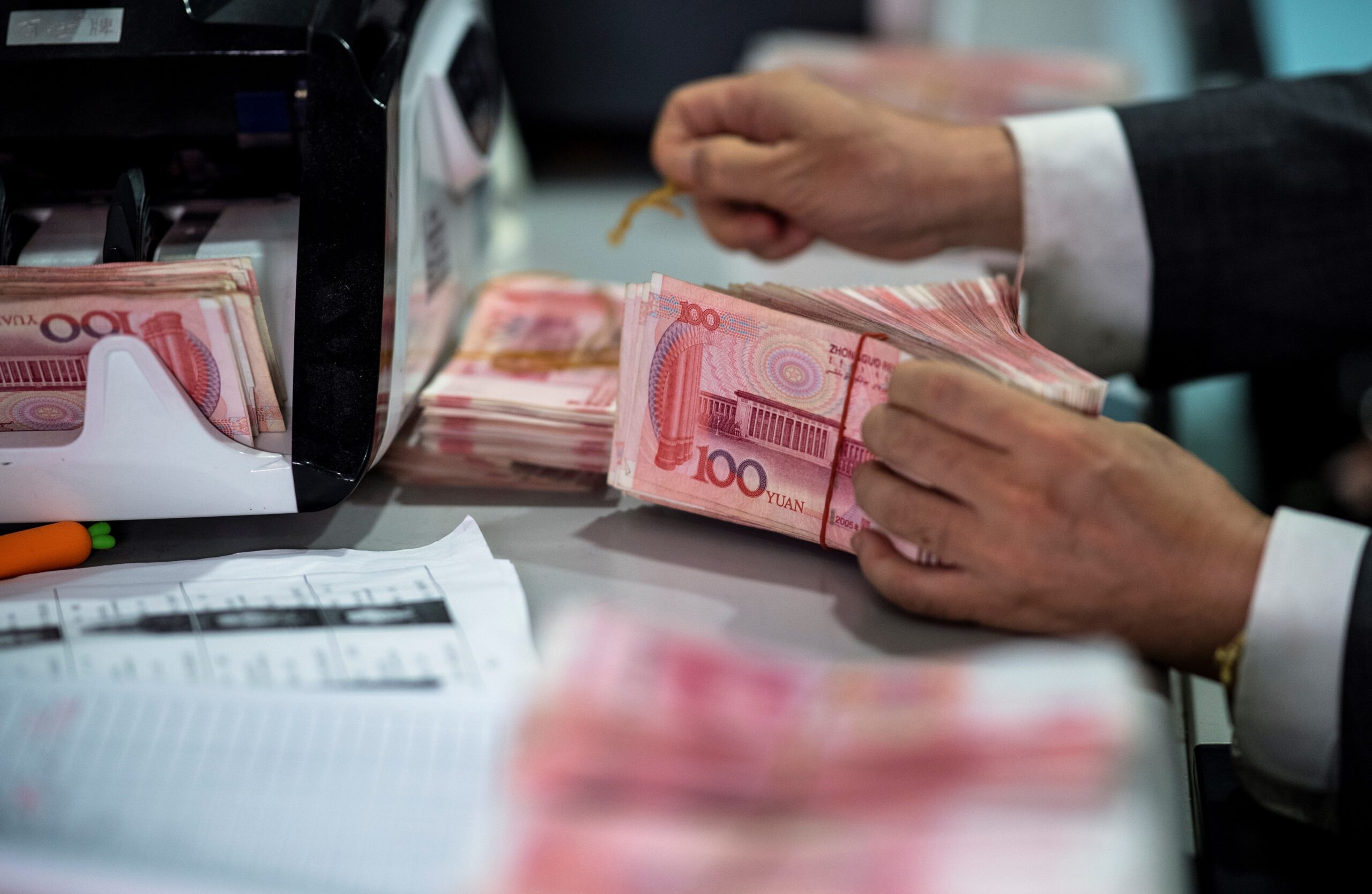
Recently, the Chinese Communist Party (CCP) has intensified tax collection and administrative penalties in various regions, while expanding control over outbound travel, petitioning, online activities, and community residents. According to sources close to local governments, senior CCP officials have instructed regions to implement a “dual-pronged” approach by the end of the year. One aspect involves addressing local fiscal shortages by raising funds through tax audits, collections, fines, and other means, while the other aspect aims to broaden social control measures to prevent mass petitions and retaliatory incidents before year-end.
The CCP’s fiscal pressures and stability concerns are currently at their most severe level in four decades. Authorities are making related deployments to increase fiscal revenue and avert challenges to the regime from mass incidents.
A source familiar with local governments, Zhao Changwu (pseudonym), revealed to The Epoch Times that regions have been instructed to adopt a “dual-pronged” policy before the year’s end. He stated, “Superiors are demanding local governments to ‘address financial problems with one hand while ensuring stability with the other.'”
Zhao said, “Local governments are financially strained, borrowing money everywhere, with businesses running out of funds. The higher-ups demand that local governments find their own solutions, such as conducting tax audits and imposing fines; the other aspect is strict control as they fear social unrest by year-end, hence petitioners and dissenters are the focal points of attention.”
Zhao Changwu noted that the CCP’s Hebei Provincial Internet Information Office has issued notices to various counties and cities, instructing them to manage their respective areas effectively, with enhanced control over online commentators.
On September 15, the CCP will implement new regulations on entry and exit management, further tightening restrictions on people leaving the country. An informant revealed that one of the main objectives of restricting outbound travel is related to fiscal matters. He stated, “Restricting outbound travel is aimed at keeping domestic spending within the country, even imposing restrictions on travel to Hong Kong and Macau. While it may appear as isolationist policies, the real intention is to secure citizens’ wallets and encourage domestic consumption. The CCP needs money to maintain control, just as Deng Xiaoping opened up for economic gains.”
The informant, who chose to remain anonymous, mentioned that with local government fiscal deficits, conducting tax audits, pursuing collections, and administrative penalties have become primary methods to boost revenue. He mentioned how these actions have escalated from a mere “deep-sea fishing” approach to now directly targeting local private enterprises: “With financial difficulties in local governments, now they are revisiting cases of unpaid taxes and penalties. It’s not hard for the Communist Party to penalize you for money; some tax officials manipulate your tax records, labeling you as a tax evader, thereby demanding additional payments and fines. Those who complain find themselves ignored.”
On August 25, Caixin reported a study on local finance and confiscation revenue. Analyzing data from 2015 to 2023, the study found that increased fiscal pressure significantly raised the intensity of local confiscation revenue, further escalating when fiscal pressure surpassed a certain threshold accompanied by strengthened law enforcement.
Chinese economist Li Xianliang (pseudonym) highlighted that with the continued downturn in real estate, declining land revenue, and the economic slowdown reducing local tax revenues, the fiscal gap at grassroots levels is widening. He mentioned, “Once the government faces financial shortages, unable to pay civil servant salaries or maintain stability, they turn to fining regulations. The CCP authorities legitimize fines through regulations and administrative measures.”
Li Xianliang emphasized that the CCP’s high-level strategy involves a “dual-pronged” approach of revenue collection and stability control, amid concerns of a resurgence of the “Blank Paper Movement” in 2022. He believed that post-pandemic restrictions lifting for three years, the anticipated retaliatory consumer spending hasn’t materialized, exacerbating the financial strain for local governments heavily reliant on land sales revenue.
Simultaneously, the CCP’s grid management measures are being further reinforced. Besides registering populations, rental properties, and transient individuals, grid workers are now involved in household information screenings.
Shanghai resident Mr. Wang disclosed that while transient populations were registered previously in his community, the frequency and depth of screenings have increased in the latter half of this year. He shared, “Mainly targeting non-local residents, newcomers have to register, even if guests stay over, registration is required, including facial recognition. Grid workers also inquire about residents’ household situations, such as if couples recently had arguments. Previously, it was mainly about ID registration, phone numbers, visitor details, and internal conflicts. They want to know everything. Each household feels like it’s under extreme scrutiny, with workers trying to preemptively gather all details. Their meticulous work is unsettling.”
Traditionally, the CCP reinforced grassroots stability during sensitive periods such as major conferences, but this year, they have frequently implemented relevant measures. Recent actions include security personnel monitoring, restrictions on movement, mobile surveillance, and prevention of travel to Beijing in various regions.