
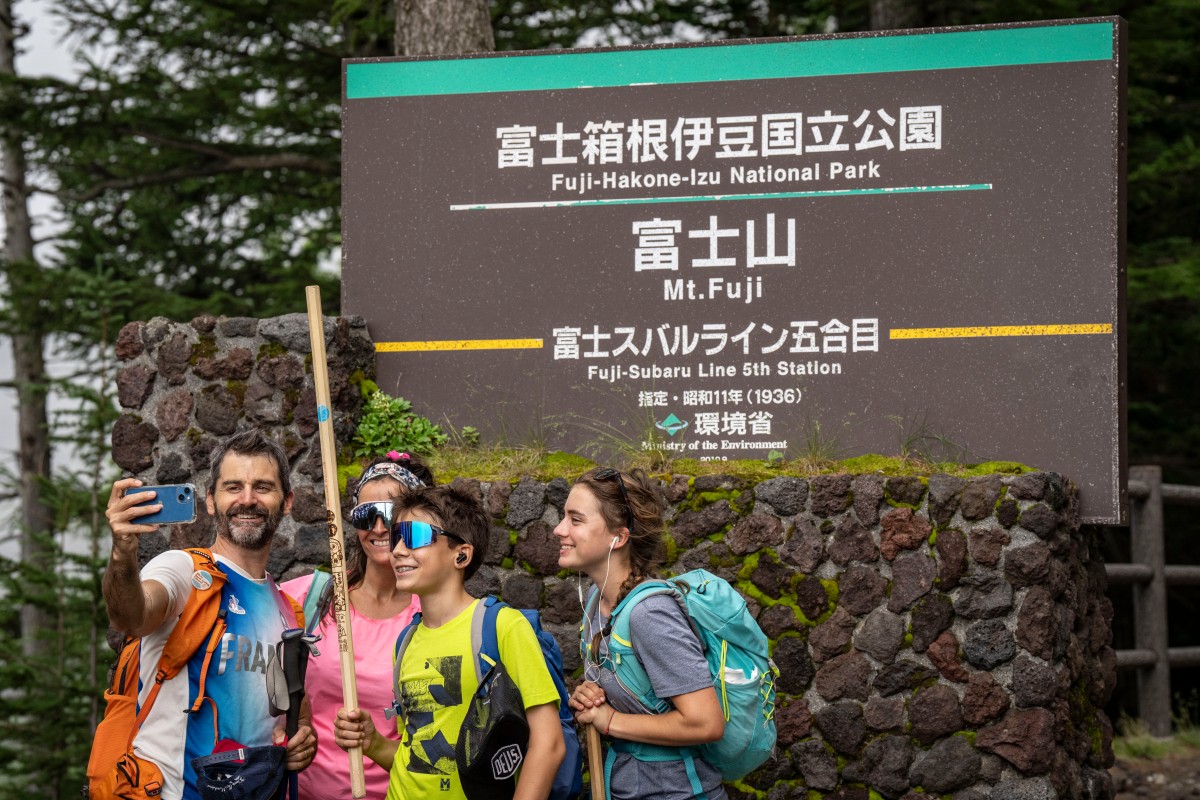
On Wednesday, August 19th, the Japan National Tourism Organization (JNTO) released data showing that in July, the number of foreign visitors to Japan reached 3,442,100, a year-on-year increase of 0.1%. This marked a historic high for the month of July and the first year-on-year increase in four months. The significant increase in visitors from countries like South Korea and Taiwan offset the decrease in the number of Chinese tourists.
Data revealed that in July, visitors from 17 countries and regions set new records for that month, including South Korea, Taiwan, the United States, Canada, the United Kingdom, France, Germany, Italy, and Spain.
Among them, South Korea had the highest number of visitors in July, reaching 894,700, an increase of 31.9% compared to the same period last year. Visitors from Taiwan reached 763,800, a 26.4% increase, surpassing 700,000 for the first time and setting a new monthly record. The JNTO stated that factors such as school holidays and increased flight capacity contributed to the significant growth of South Korean and Taiwanese visitors.
In contrast, the decrease in Chinese visitors was noticeable. The number of visitors from mainland China in July was 428,200, a 56.1% year-on-year decrease, marking an eighth consecutive month of decline.
Meanwhile, in July, the number of visitors from Hong Kong to Japan reached 272,500, a 54.8% increase compared to the same period last year. According to a report by the Japan Broadcasting Corporation (NHK), the significant increase in Hong Kong visitors this year followed a substantial decrease last year due to rumors on social media about an imminent “South China Trench Megaearthquake.”
At a press conference on the same day, the Commissioner of the Japan National Tourism Organization, Norio Kimura, stated that the increase in visitors from various countries and regions had contributed to keeping the number of visitors to Japan in July relatively stable. He believed that the inbound tourism market was “largely maintaining stability.”
Kimura expressed that various factors, including the global situation, could impact the tourism industry, and Japan would continue to diversify its inbound tourism market, increase the average spending of visitors, and promote tourism to local areas to further develop inbound tourism.
According to information released by the Japan National Tourism Organization, the recent Kumamoto earthquake also affected the tourism industry in Kyushu. Some visitors from East Asia canceled their trips to Kumamoto Prefecture and Kyushu, but the overall impact on Japan’s inbound tourism market remains limited.
The Japanese government previously set a target to increase the annual number of foreign visitors to 60 million by 2030 and raise the inbound tourism expenditure to 15 trillion yen (approximately $947 billion). In 2025, the total number of foreign visitors to Japan for the whole year reached approximately 42.68 million, setting a new record.