
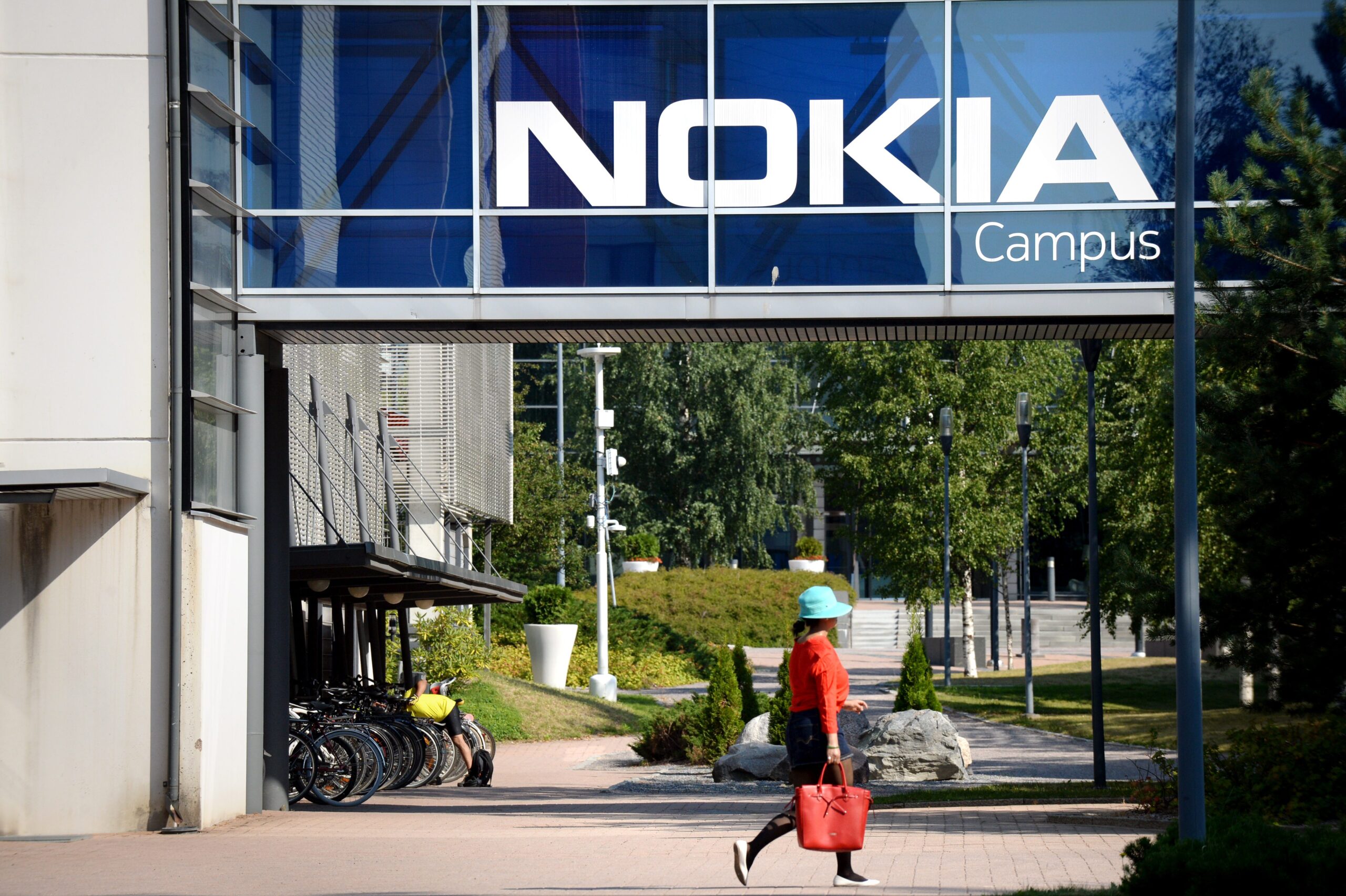
In recent foreign media reports, Finnish telecommunications equipment manufacturer Nokia has confirmed the closure of its research and development center in Hangzhou, Jiangsu, which will result in approximately 1600 employees being laid off. Other branch offices in Beijing, Chengdu, Qingdao, and Shanghai may also be shut down as part of this restructuring plan.
On August 14, Light Reading, a global telecommunications, communication networks, and network technology industry media, reported that insiders disclosed Nokia’s decision to close a research and development center in Hangzhou, leading to 1600 job losses. Screenshots obtained revealed internal communication among affected employees and emails sent by the company’s management regarding the closure of the Hangzhou center.
Apart from Hangzhou, it is reported that Nokia’s other branches in Beijing, Chengdu, Qingdao, and Shanghai may also be closed as part of the latest restructuring plan.
A Nokia spokesperson confirmed the closure plan of the Hangzhou factory in an email statement to the media, stating, “As previously communicated, Nokia has been taking actions to align our operations in China with Nokia’s global operating model.” The spokesperson also mentioned, “Additionally, Nokia’s business in China has been declining over the past few years. Therefore, we are adjusting our operational layout in China to address this reality.”
On August 17, “International Electronic Business Information,” a professional media brand under ASPENCORE, a renowned global electronic industry media institution, reported that on August 7, the internal transfer channel for employees to move to Nokia’s headquarters in Finland was completely frozen. Six days later on August 13, the management officially informed about the shutdown plan through an internal email. It is reported that the layoffs of these 1600 employees will be completed in three phases from September to December 2026.
Light Reading reported that Nokia’s retreat in the Chinese market was influenced by geopolitical considerations. In September 2025, Nokia executives revealed during a press conference in Finland that they had received notices of being excluded from the Chinese market for national security reasons, leading to a direct loss of market share. The financial reports indicate that Nokia’s annual revenue in Greater China has dropped from nearly 2.2 billion euros in 2018 to 913 million euros in 2025. Its Swedish competitor, Ericsson, has also experienced a similar decline.
At the end of 2025, Nokia took full control of the joint venture, Nokia Shanghai Bell, from the state-owned Chinese company, Huaxin. This move to full ownership was widely seen in the industry as a key step to eliminate legal restrictions of joint ventures and pave the way for subsequent large-scale restructuring.
Data shows that the average number of employees in Nokia’s Greater China region (including Hong Kong and Taiwan) dropped sharply from 13,700 in 2020 to 7,200 in 2025. With the additional layoffs in Hangzhou, the workforce will be further reduced.