
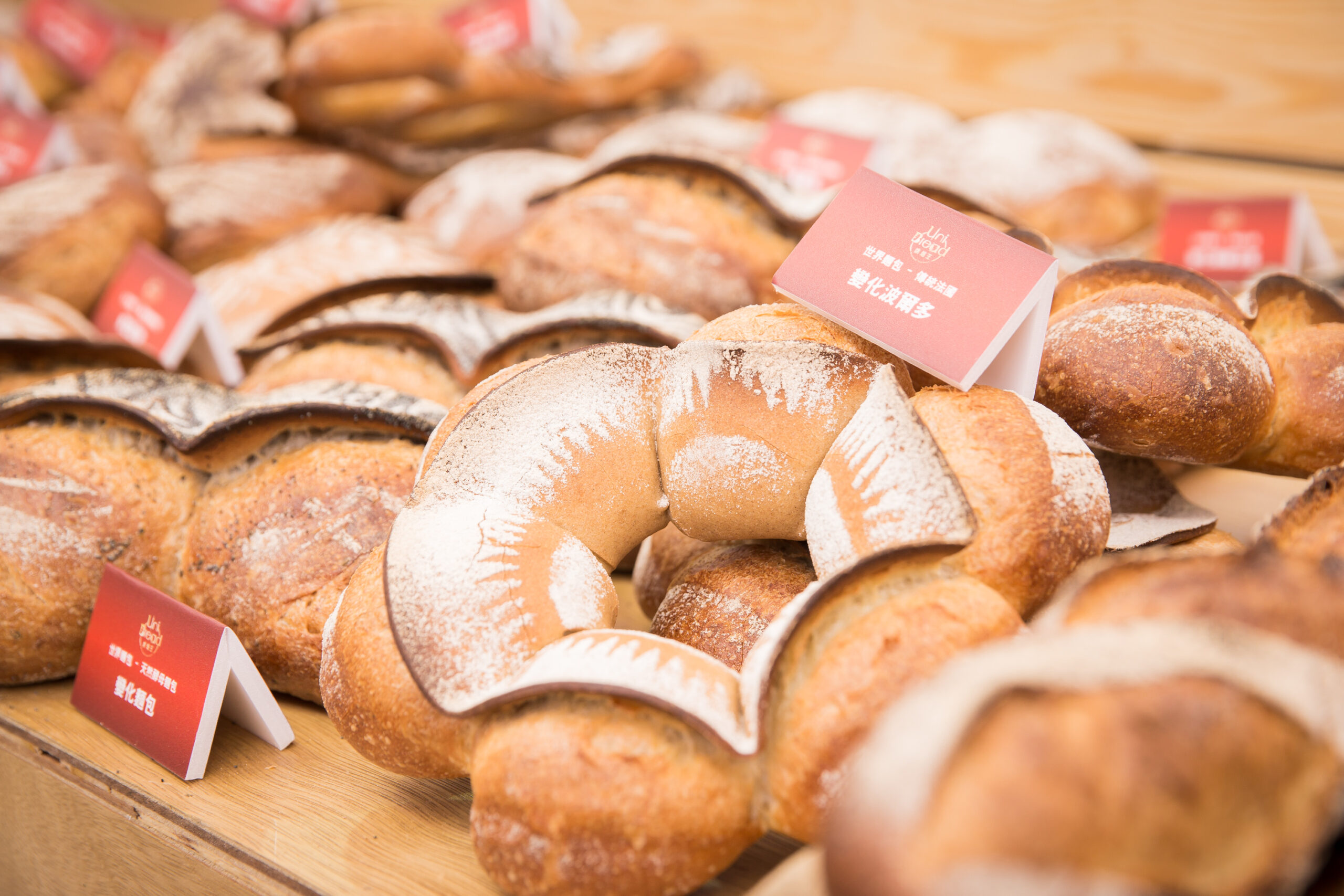
As high-priced bread sales continue to slide, many bakery shops are closing down. Data shows that since the beginning of this year, 101,000 bakery stores have closed, and this number doesn’t even include small shops not captured by official statistics. At the same time, young people entering the baking industry have been leaving in droves.
According to a report by Daily People Intelligence Technology (Beijing) Co., Ltd.’s “Daily People” on October 10th, popular bread shops like Youhe and KUMO KUMO, which used to have long queues every day, have recently put up closure notices in their stores across the country. Just a few months ago, these shops were crowded with people waiting to sample their products, with bustling crowds inside making purchases.
The report indicates that the news of handmade bread shops closing down has been increasing this year. Some shops, in operation for several years or even close to a decade, ultimately couldn’t sustain themselves. A bread shop in Guangzhou that had been running for nearly 10 years closed all its stores at the end of August and temporarily stopped taking orders online. Meanwhile, there are more posts about store closures and transfers on social media platforms, with comments from some people jokingly saying, “Opening a bread shop last year caused a loss of 700,000 yuan” and others complaining that making bread means exchanging life for money, working from dawn till dusk, and having to learn how to do live broadcasts and online marketing. A business owner in Kunming posted information about transferring their shop 10 months ago but couldn’t find anyone to take over, so they had to persist until the lease ended before they could stop.
According to data from Narrow Gate Eateries, a food industry data platform, since the beginning of this year, an average of at least 270 bakery stores have been exiting the market daily, resulting in a total decrease of 101,000 stores, not including small shops not captured by the platform.
For a long time, the handmade bread industry has attracted many young entrepreneurs due to its low entry barriers. In the initial stages of business, online promotions did indeed attract a large number of customers. However, over time, many shop owners have reported that traffic began to decline from the middle of last year.
The report indicates that the main issue lies in the excessively high prices of products, where a palm-sized fruit tart costs 42 yuan, a croissant costs 25 yuan, and bread prices keep rising, leading to complaints from wage earners that they can’t afford them. Meanwhile, some well-known chain brands offer bread and cakes through platform promotions for just a few yuan. In contrast, even though lesser-known handmade brands may differ in ingredients and craftsmanship, it’s challenging to convince consumers to pay a higher price. Some netizens also stated that due to the poor economy and lower incomes, everyone is trying to spend less.
In a “2026 China Supermarket Bakery Market Insight White Paper” released by Euromonitor International, it was mentioned that for consumers, buying bread at supermarkets often allows them to conveniently purchase other daily necessities. For those who only want to grab breakfast, there’s no need to make a special trip for one loaf of bread.
Lin Yue, Chief Consultant at Lingyan Management Consulting, stated that the startup capital required to open a store could reach two to three million yuan. Such stores need a continuous flow of customers to gradually recoup the initial investment. Nowadays, with the gradual decline of the traffic dividend, maintaining business for storefronts is no longer as easy as it used to be.