
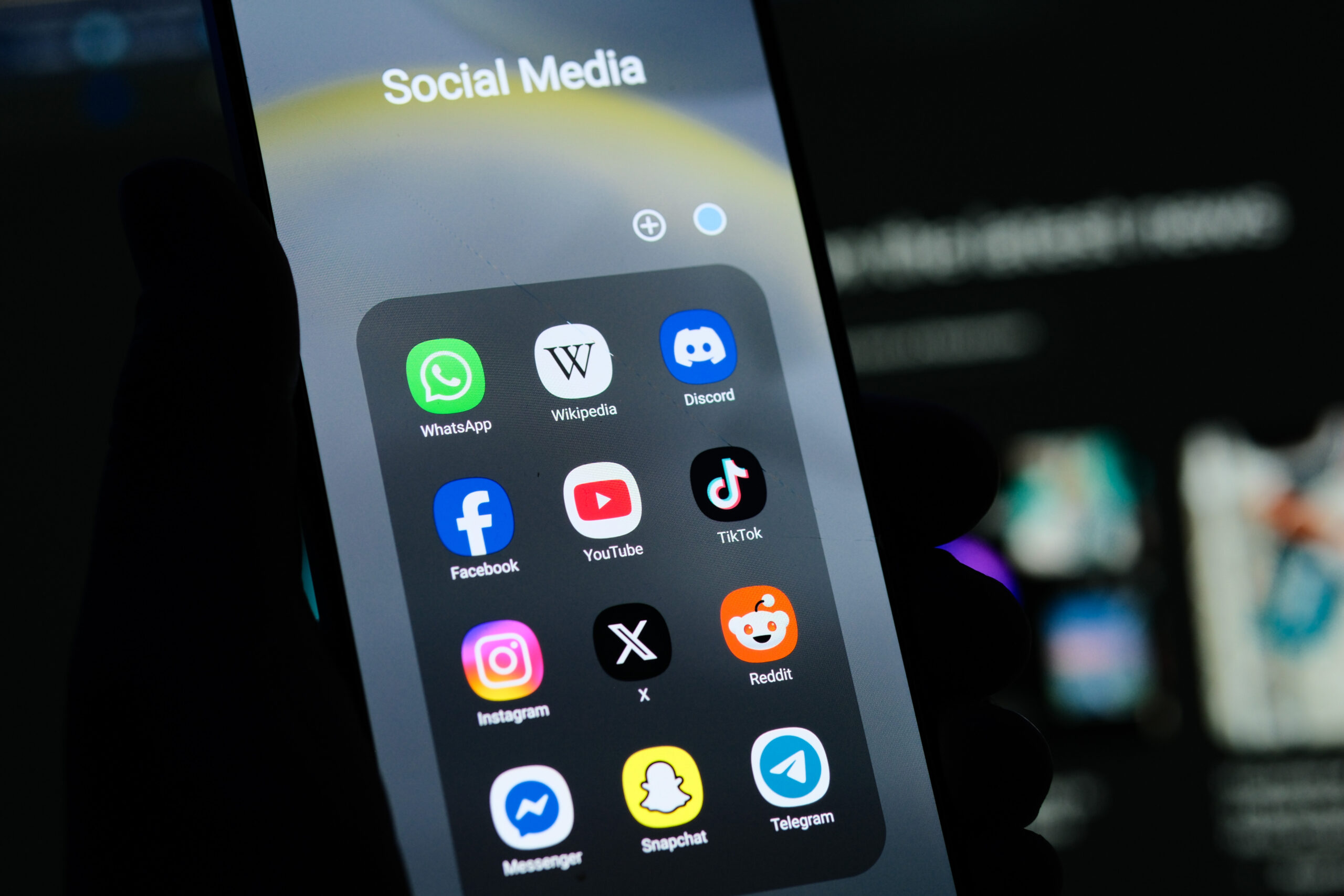
On October 9, 2026, the competition between social media giants Meta and TikTok has further intensified. Meta announced on Thursday, October 8th, that it is banning ByteDance from placing advertisements on its platforms effective immediately. The restriction will also extend to some third-party advertisers across seven countries and regions, including the United States and Japan.
Meta, the parent company of Facebook and the photo-sharing platform Instagram, stated that the new ban applies to the United States, Canada, Egypt, Indonesia, Japan, Thailand, and Vietnam.
The ban not only covers direct advertisements from ByteDance but also includes promotional activities conducted by third-party advertisers in the mentioned countries and regions, such as ads linked to TikTok and other ByteDance products.
A spokesperson for Meta mentioned that the company is not obligated to provide advertising services to businesses attempting to divert users to competitor platforms. Refusing such services is considered a normal business practice. Meta emphasized that they will continue to compete in the market by enhancing product quality and user experience.
As of now, TikTok and ByteDance have not yet responded to this decision.
For years, Meta and ByteDance have been competing in areas such as user engagement, content creators, and advertising revenue. TikTok has emerged as a significant competitor for Meta in the short video and social media space.
In August of this year, Meta reached a settlement with multiple U.S. states and the District of Columbia, agreeing to pay up to approximately $18 billion and impose restrictions on underage users of Facebook and Instagram. These measures include limiting usage time, nighttime usage, strengthening age verification, and content management.
Subsequently, Meta has publicly urged TikTok and YouTube under Google to take similar actions, publishing full-page ads in several major U.S. newspapers, calling on competitors to enhance protections for underage users.
On September 25th of this year, TikTok reached a settlement with the state of Alabama in the United States, agreeing to enhance age verification and restrict underage users’ usage time in response to allegations of platform harm to minors and misleading consumers in the state.
Meanwhile, the competition in the platform traffic diversion aspect between the two companies has also intensified. Recently, TikTok has restricted users from redirecting to other social platforms from its application, including removing direct links from users’ profiles to Instagram.