
After a year since the Supreme Court’s decision on abortion rights, in 2023, a federal judge in Texas ruled to try to overturn the approval of the abortion drug mifepristone by the Food and Drug Administration (FDA). This decision caused panic among abortion supporters. Governor Hochu of New York, along with other Democratic governors, announced the initiation of an emergency reserve plan, stockpiling a large quantity of drugs used for medical abortions. However, the state’s measures to protect women’s reproductive rights by stockpiling drugs did not end up being useful.
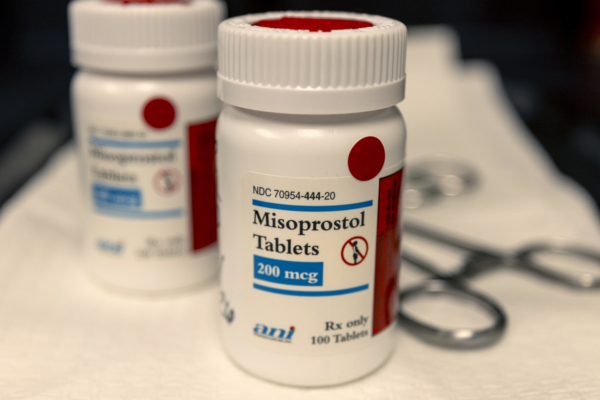
According to a report by Gothamist, the New York State Department of Health confirmed that the state government had spent a six-figure sum purchasing 150,000 pills of another abortion drug, Misoprostol, which had all expired. During storage, not a single pill from this batch of drugs could be distributed. Soon, these expired reserve drugs, enough for 12,500 uses, will be sent directly to an incinerator for disposal.
The incident can be traced back to three years ago. Following the ruling by the federal judge in Texas, Governor Hochu of New York, in an attempt to show a firm stance against the conservative camp, announced a plan to purchase 1.8 million pills of Misoprostol (enough for five years) and had the state health department spend $112,000 to purchase the first batch of 150,000 pills.
However, the subsequent court rulings did not lead to the expected scarcity in the market as anticipated by the New York State government. Mifepristone still remained on pharmacy shelves. As the so-called “drug crisis” turned out to be a mirage, these drugs in the New York State Department of Health were stored away in warehouses, untouched, until they expired.
Faced with this waste of funds and resources, the department’s spokesperson, Cadence Acquaviva, insisted that the stockpiling of drugs was to ensure that New Yorkers could access “safe and legal medical services” amidst legal uncertainties. However, the purchased drugs using taxpayer money ended up unused and had to go through the disposal process due to expiration.
Several Democratic-governed states that had also stockpiled drugs out of political fear took different approaches when facing the crisis of drugs about to expire.
California had taken preventive measures a year before the drugs expired, distributing over 12,000 doses of Misoprostol from their inventory to medical facilities across the state, ensuring timely use and avoiding waste.
Officials in Oregon demonstrated excellent negotiation skills by persuading suppliers to replace 22,500 doses of drugs about to expire with a new batch expiring in 2028, all without spending any additional money.
Meanwhile, New York State watched as the drugs silently expired in cold storage, ultimately having to follow procedures and pay for their destruction.
After experiencing this ineffective and costly stockpiling measure, the New York State Department of Health stated that, considering the current ample market supply, the state currently has “no plans to replenish the drug inventory.”