
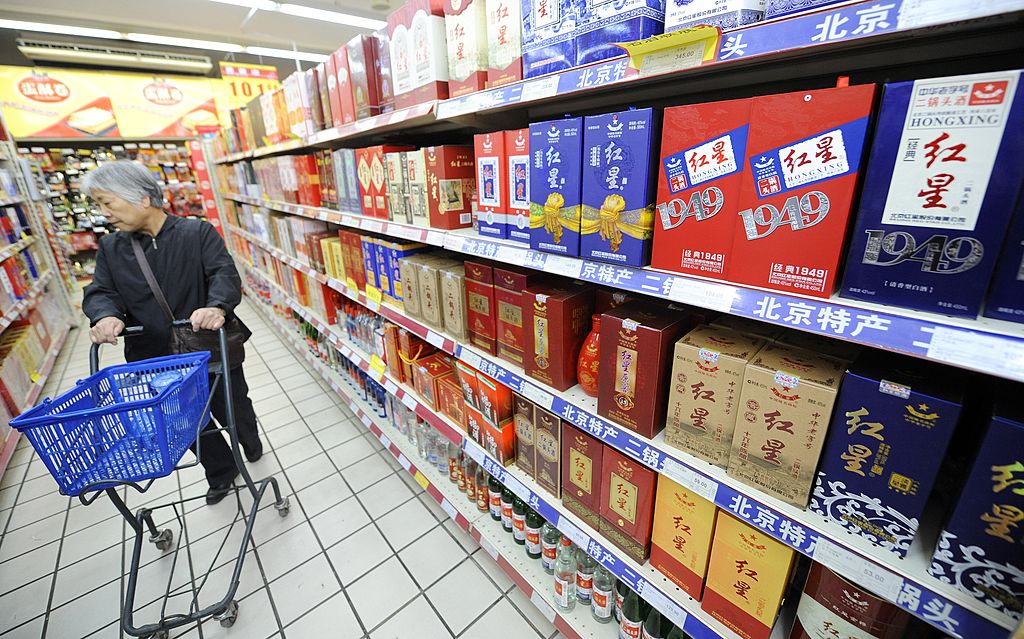
According to data released by the China Tobacco and Alcohol Circulation Association, in 2025, 320,000 tobacco and alcohol shops exited the market, with an average of 900 closures per day. Facing intense competition from multiple retail entities, mainland tobacco and alcohol stores are struggling to survive.
The China Tobacco and Alcohol Circulation Association data cited by Sichuan Daily on August 22 showed that in 2025, the total number of tobacco and alcohol stores in the country decreased by about 19% compared to the previous year, with approximately 320,000 outlets exiting the market within one year. Over the past five years, the cumulative number of store closures has exceeded 1.3 million.
In response to this, an analysis by BT Finance under Beijing Lingxun Times Cultural Media Co., Ltd. on August 24 pointed out that from the days of “sustaining three generations with a single store,” tobacco and alcohol shops are now struggling to even cover their rent. The decline of tobacco and alcohol shops is the result of a squeeze by various market forces.
Firstly, the rise of chain convenience stores and snack discount stores has attracted the younger customer base that originally belonged to tobacco and alcohol shops. Secondly, online e-commerce platforms such as Meituan, Taobao, and JD.com have revolutionized consumer habits with their instant retail services, where consumers can place orders and have goods delivered to their doorstep within half an hour. This completely nullifies the traditional model of tobacco and alcohol shops waiting for customers to walk in. Furthermore, the price inversion has significantly decreased the profits of tobacco and alcohol shops. Many shop owners have mentioned that the cost of purchasing goods during the Chinese New Year is higher than the actual retail price now, resulting in selling products at a loss. Lastly, fixed operational costs such as rent, labor, utilities remain high, and the meager profit margin cannot cover these rigid expenses.
In order to survive, some shop owners have transformed their stores into “community versatile service stations,” not only selling tobacco and alcohol but also providing services such as parcel collection, renting power banks, recycling items like caterpillar fungus, and even delivering rice, noodles, and cooking oil for free to elderly residents in the community. They rely on “guanxi economy” (network of acquaintances) and “neighborhood services” to retain their customers. There are also young “post-2000” store owners who have shifted their 10-square-meter stores online, focusing on instant retail, successfully expanding their reach to seven to eight kilometers away.
Sichuan Daily noted that under the pressure to survive, tobacco and alcohol shops have been forced to embark on a challenging path of transformation.