
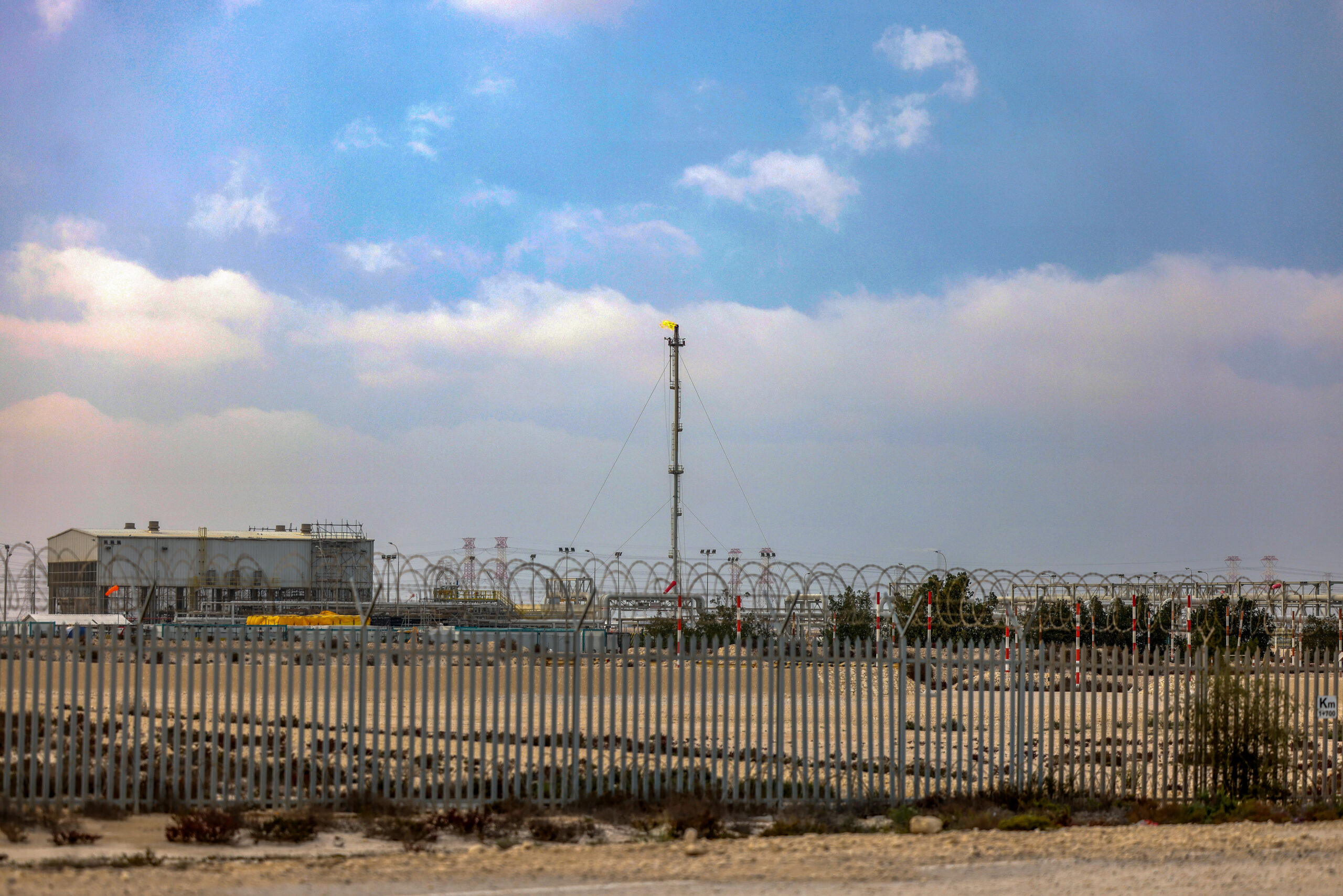
Qatar has significantly slashed its government department budget by up to 30% and cut overseas aid by about 85%. This move comes as one of the world’s wealthiest countries faces financial pressure amid the impacts of the Iran conflict.
According to the Financial Times, three sources revealed that the government expenditure cuts are among the measures Qatar is taking to address the steep drop in revenue from liquefied natural gas (LNG).
Qatar’s 2026 fiscal budget is around $61 billion, but the specific amounts affected by the budget cuts in various departments are currently unclear.
Tarik Yousef, a senior researcher at the Middle East Global Affairs Council, said that if the crisis persists into the fourth quarter, the government will “seriously consider” further substantial spending cuts next year.
“While authorities have effectively responded to the crisis, the impact remains significant. They have been using accumulated fiscal buffers to sustain the economy and ensure liquidity. But ultimately, this will leave a significant gap in the budget,” he said.
The International Monetary Fund (IMF) predicts that Qatar’s Gross Domestic Product (GDP) will shrink by 8.6% this year, the largest contraction among the six Gulf Cooperation Council (GCC) countries, which have relied on the Strait of Hormuz for energy exports and trade for decades.
Qatar is a key mediator in the US-Iran negotiations. Despite being a country with a population of only 3.2 million, it has robust fiscal buffers to withstand crises – its Qatar Investment Authority (QIA) manages a $500 billion sovereign wealth fund.
However, with the war ongoing, this conflict is likely to continue impacting domestic spending in the Gulf region and affecting overseas investments of sovereign funds in the region, managing around $5 trillion in total assets.
In 2017, after Saudi Arabia and the United Arab Emirates led a regional blockade against Qatar, the Qatar Investment Authority (QIA) was forced to repatriate over $20 billion in deposits to stabilize the domestic financial system, as one of the most active national investors in the region.
Last year, Qatar donated $1.5 billion to the United Nations Office for the Coordination of Humanitarian Affairs (OCHA), according to a statement from the Qatari Foreign Ministry last December, which placed the country among the top five donors to OCHA.
The nearly six-month-long US-Iran conflict has severely impacted the economies of Gulf countries, with Qatar being hit the hardest. Attacks by Iran and disruptions in LNG transport through the Strait of Hormuz have forced Doha to halt LNG production, which was its main source of revenue and export earnings.
Saudi Arabia and the UAE have mitigated some economic losses by exporting oil through pipelines bypassing the Strait of Hormuz. Rising oil prices have also filled the gap left by reduced exports.
Nevertheless, energy exports from Qatar and Kuwait heavily rely on the Strait of Hormuz. The blockade of this vital waterway impacts trade, tourism, hospitality, and other non-oil growth drivers for all Gulf countries.
Goldman Sachs Middle East economist Farouk Soussa estimates that the decline in energy export revenues is causing Qatar and Kuwait to lose between $1.5 billion to $2 billion per week.
Meanwhile, IMF data shows that Bahrain’s public debt-to-GDP ratio is as high as 150%, putting pressure on the oil-limited country’s assets and liabilities.
Capital Economics’ data reveals that Bahrain’s foreign exchange reserves dropped from $6 billion in March to just over $2 billion in June. It is expected that the country may need to seek aid from Saudi Arabia or the UAE again.
In April this year, the UAE and Bahrain reached a $5.4 billion currency swap agreement to show support.
Despite the strong economic capabilities of most Gulf countries to absorb the economic impact of this war, the conflict is affecting all countries in the region.
Soussa stated, “This is a huge blow for Gulf countries – the cost is extremely high, and many losses will have to be borne by the government.”
For Qatar, the world’s second-largest liquefied natural gas (LNG) producer, the effects of this war are immediate.
Just four days after the US-Iran conflict erupted, Iran conducted drone and missile attacks on the world’s largest LNG export facility, the Ras Laffan plant in Qatar. In March of the same year, Ras Laffan was again targeted, reducing export capacity by 17%, with damages expected to take up to five years to repair.
The Golden Pass LNG export facility, a $10 billion project jointly owned by QatarEnergy and ExxonMobil in the US, made its first LNG exports in April this year, offsetting some of Qatar’s gas production shortfall.
Prior to the US-Iran conflict, Doha was preparing to reap significant profits from a $30 billion capacity expansion project for the world’s largest gas field, the North Field. This project could have increased Qatar’s annual production capacity to 126 million tons by 2027 – approximately 30% of global LNG demand in 2024.
Over the past five years, the Qatar Investment Authority (QIA) has significantly increased its workforce, almost doubling its employees, as the agency foresees doubling its assets under management within five years.
Insiders familiar with government measures state that Qatar is continuing its capacity expansion plans to ensure it can export more LNG once the war ends.