
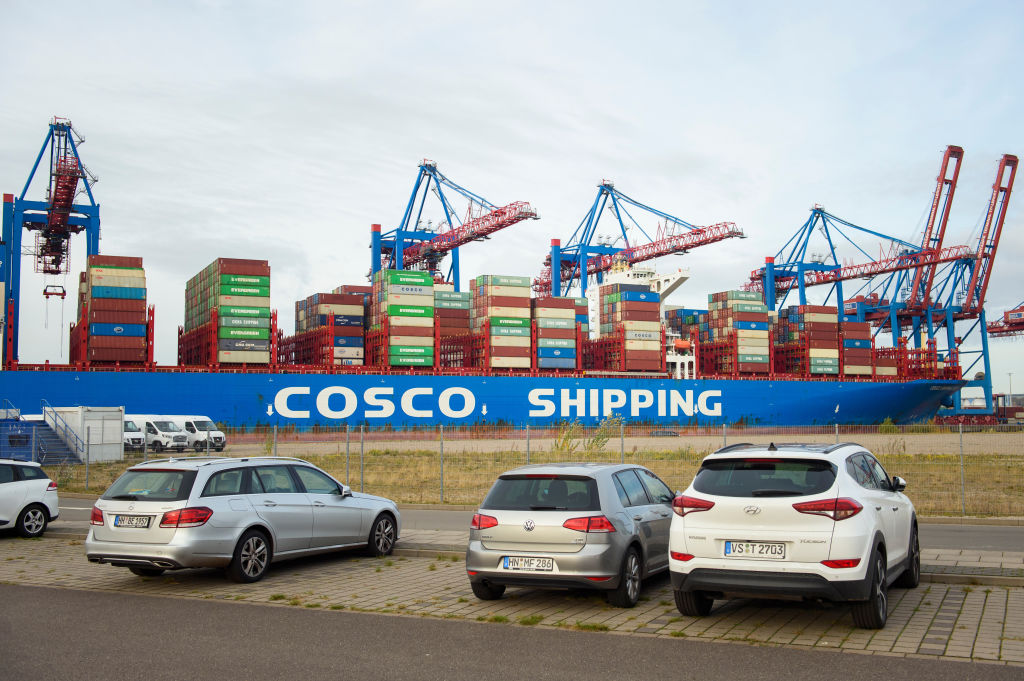
On Wednesday, October 7th, the German government blocked China’s state-owned enterprise COSCO from acquiring 80% of the shares of Hamburg logistics company Zippel, citing concerns that the deal could deepen foreign dependence and threaten the security of Germany and the European Union’s supply chains.
According to reports from Reuters, the German Ministry of Economics stated that this acquisition would increase reliance and jeopardize the resilience of Germany and the EU supply chains, hence the decision to prohibit the transaction.
Zippel is primarily engaged in container logistics, responsible for transporting goods between seaports and inland areas. COSCO had originally planned to acquire 80% of the company’s shares.
This transaction had passed German antitrust review in February of this year. At that time, the German antitrust authorities stated that from a competition perspective, there were no issues with the acquisition, but national security was not within the scope of their review.
In recent years, Europe has become increasingly wary of Chinese investments in ports, logistics, and other vital infrastructure. Reuters reported that some governments are concerned that Chinese companies may gain access to sensitive supply chain information and increase Europe’s reliance on Chinese enterprises in critical logistics sectors.
Axel Plass, the CEO of Zippel, expressed disappointment that the company had hoped for a different outcome, but still believes the initial business decision was correct, and the company’s operations will continue as usual.
Prior to this, COSCO had already invested in Hamburg’s Tollerort container terminal. Initially, COSCO planned to acquire a 35% stake, but the German government ultimately allowed them to hold no more than 25% of the shares. This deal had sparked intense controversy within the German government.