
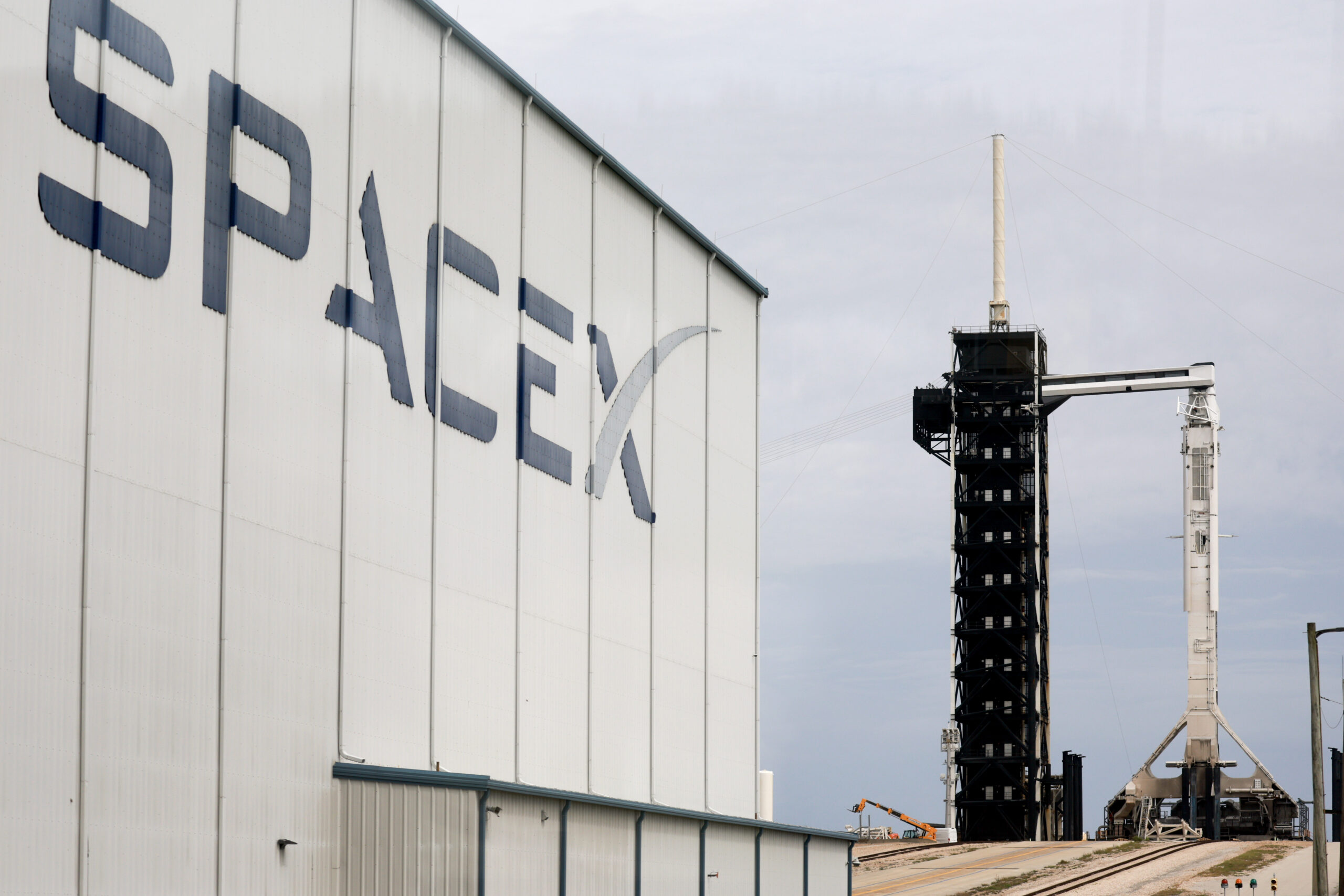
According to a report from the Financial Times in the UK, Elon Musk’s space exploration technology company, SpaceX, is seeking $40 billion in financing led by Apollo Global Management to purchase Nvidia chips and expand its AI computing infrastructure.
Insiders disclosed to the Financial Times that this deal is expected to be completed by 2027. SpaceX plans to raise funds for its massive chip orders by issuing approximately $10 billion in bank loans and $30 billion in investment-grade bonds.
Sources indicate that Apollo Global Management is expected to lead this transaction and help sell this debt to a wide range of investors. Pimco, a bond investment institution belonging to Allianz Group, is also among the few lenders involved in the financing negotiations.
Currently, both Apollo and Pimco have declined to comment, while SpaceX and Nvidia have not immediately responded to related inquiries.
If the deal goes through, it will further solidify the cooperation between SpaceX and Nvidia.
In August of this year, Musk stated during a SpaceX earnings call that the company will build its AI systems entirely based on Nvidia. He mentioned, “We have decided to build entirely on Nvidia because we believe the Vera Rubin architecture is the best.”
He also added that Nvidia has the “best AI computers” and that “we value our close collaboration and partnership with Nvidia on multiple levels.”
SpaceX’s financing plan highlights the significant funding needs that technology companies have for building data centers, purchasing chips, and developing AI infrastructure.
However, the large debt burden has also raised concerns in the market. SpaceX currently holds a BBB credit rating, which is second to the lowest investment grade. While a BBB rating allows institutional investors such as insurance funds and pension funds to qualify for purchasing its bonds, the market still has doubts about its substantial capital expenditures.
In June of this year, after completing an $86 billion initial public offering (IPO), SpaceX issued $25 billion in investment-grade bonds, but they were subsequently sold off in a few days due to market concerns about soaring debt.
According to MarketAxess data, the company’s long-term bonds due in 2056 have dropped to around 85 cents on the dollar, yielding about 2.27 percentage points higher than US Treasury bonds, reflecting market concerns about its credit risk.
Apollo, the lead in this deal, has also participated in financing transactions worth tens of billions of dollars for companies such as Intel and Bayer in recent years; its credit business scale is around $800 billion.
In June of this year, Apollo was also involved in a $35 billion AI computing expansion financing project, which utilized custom chips and network solutions from Broadcom.
Moreover, Nvidia is actively promoting a financing model for AI infrastructure. In August of this year, Nvidia announced a memorandum of understanding with Apollo, BlackRock, Blackstone, Brookfield, Goldman Sachs, and KKR to establish a $500 billion financing platform.
The collaboration aims to create a third-party funding pool to provide financing for clients to purchase chips and build AI infrastructure. Nvidia CEO Jensen Huang stated that the company can provide support for up to $125 billion, which is 25% of potential transactions.