
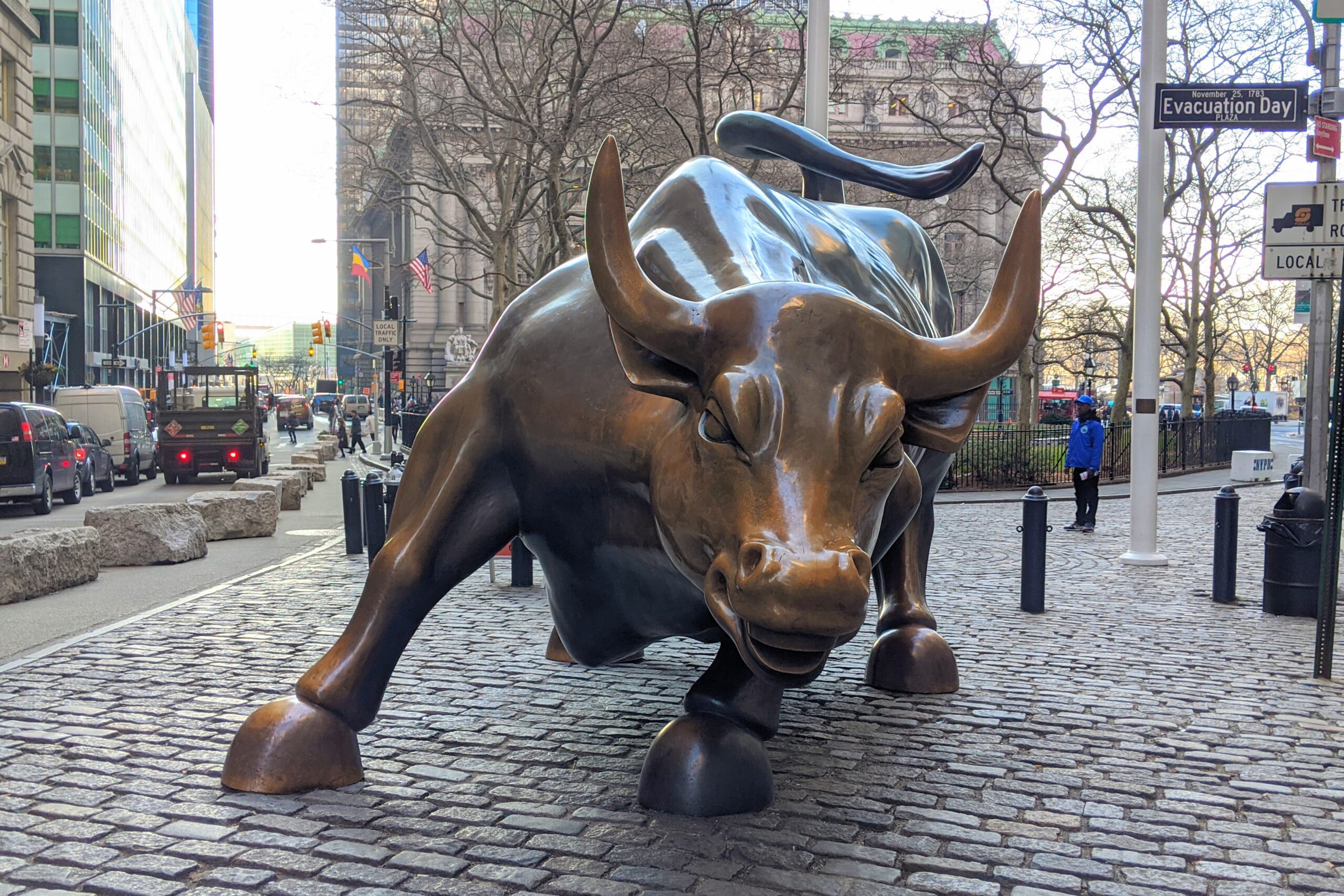
New York State Comptroller Thomas DiNapoli released a report on Tuesday, October 6th, showing that the profit of the U.S. securities industry in the first half of this year reached a staggering $45.9 billion, setting a historic record. Investors have propelled an unstoppable bull market, disregarding multiple unfavorable factors such as tariffs and wars.
Despite economic uncertainties and geopolitical conflicts, the securities industry in the U.S. saw a 51% growth in profits in the first half of the year compared to the same period in 2025. This figure has exceeded New York City’s previous forecast of $45.3 billion for the entire year and surpassed the record set in 2009 after adjusting for inflation.
Looking ahead, Wall Street is poised to set an annual record of $90 billion and surpass last year’s historical high of over $65 billion.
Increased trading volume drove prosperity from January to June, with expenditures on artificial intelligence (AI), ever-changing market conditions, and an increase in merger and acquisition activities also fueling growth. Trading revenue grew by nearly 2% to reach $40.3 billion.
From tariff news in 2025 to the Iran conflict in 2026, the U.S. stock market has experienced fluctuations of trillions of dollars within a single trading day.
DiNapoli stated in a press release, “Unless there is an economic downturn or significant market turmoil, robust profits are expected to continue to provide significant support for the revenues of the state and the city (of New York).”
Wall Street serves as a crucial pillar of New York City’s economy and budget. The report indicates that total compensation in the securities industry increased by nearly 4% over the previous year, creating around 7,000 new job positions. The industry’s employment numbers surpassed 207,000, reaching the highest level since records began in 2000.
Expenditures on employee compensation by member companies of the New York Stock Exchange (NYSE) increased by nearly 19%.
The industry’s annual average compensation (including wages, bonuses, and stock incentives) surged by over 11% to $561,770, which is five times the average wage in other private sector industries in New York City.
The “bonus pool” alone exceeded $49 billion, equating to an average bonus of around $247,000 per employee, a 6% increase from the previous year. It is projected that the “bonus pool” for the whole year will continue to grow, a stark contrast to the city’s prior prediction of a 20% decrease.
The “bonus pool” usually refers to a designated fund accumulated by companies in advance, primarily used to incentivize employees. The amount is typically determined based on the company’s annual budget, profit goals, and other factors.
According to data released by DiNapoli’s office, in 2024, 8% of job positions in New York City were directly or indirectly related to the securities industry. Additionally, in 2024, Wall Street contributed 19% to the city’s gross domestic product.
The city government also benefits from the strong financial market activities. The report estimates that the securities industry contributed nearly $8 billion to the city’s 2026 fiscal year budget, a nearly 16% increase from the previous year.
Wars, pressures from private lending, higher interest rates, and the resurgence of inflation have posed challenges to the financial markets. However, investors have ultimately chosen to overlook these risks and bearish sentiments, leading the U.S. stock market to reach record highs.
The tech-heavy Nasdaq Composite Index and the S&P 500 index, reflecting market strength, hit historic highs on Tuesday.
The blue-chip Dow Jones Industrial Average has slightly retreated from its high point this year but is aiming to reclaim the 52,000 level.
The resilient economic conditions of the U.S. and outstanding corporate financial reports have supported the stock market’s upward trend thus far.
The upcoming results of the midterm elections and the fourth-quarter earnings season of companies may present new challenges to the stock market.
Jay Woods, Chief Strategist at Freedom Capital Markets, stated in an email briefing to The Epoch Times, “As we enter the fourth quarter of this midterm election year, the market is near historical highs.” He added, “At the same time, market sentiment is approaching historical lows, market breadth is poor, oil and bonds make us nervous, and geopolitical uncertainties persist.”
Woods further noted that October is the most volatile month of the year and marks the beginning of the strongest phase in any bull market cycle. He pointed out, “So, the calendar remains a friend to the bulls.”
In recent weeks, assets like gold and digital currencies have shown stability. Gold approached $4,200 per ounce, silver neared $62, and Bitcoin returned to over $85,000.