
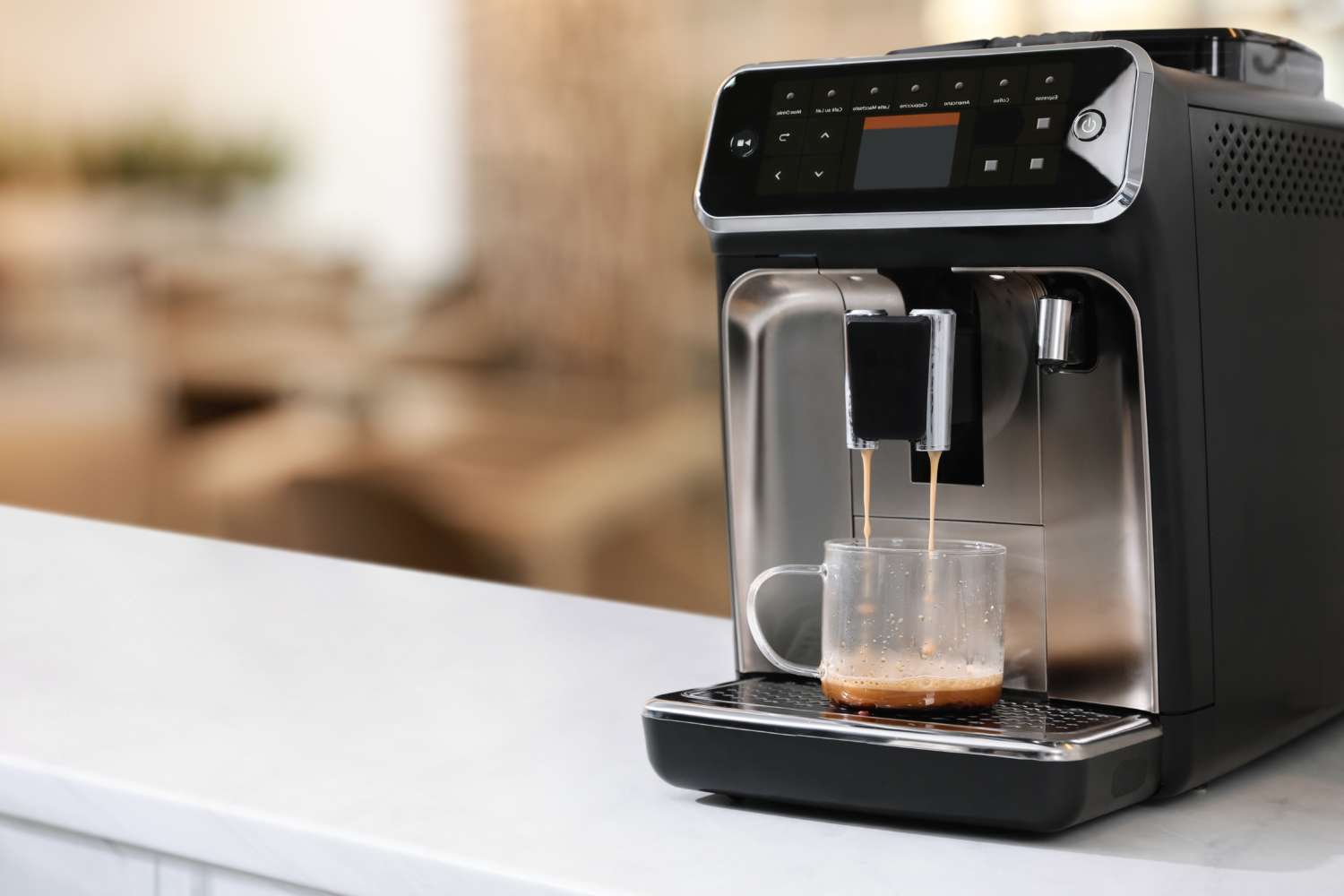
For many people, a cup of coffee in the morning has become a daily habit. However, to brew a better-tasting coffee, besides the quality of coffee beans, coffee machine maintenance, water quality, and storage methods are equally important. A recent discussion on social media about the possibility of coffee machines breeding mold and bacteria has caught the attention of many coffee enthusiasts. According to experts in the US, most households do not need to panic excessively, but there are some easily overlooked details that can indeed affect the flavor of coffee.
CEO of Klatch Coffee in California, Heather Perry, a two-time US Barista Champion, mentioned in an interview with Fox News that the cleanliness of coffee equipment is much more important for the flavor of coffee than safety concerns. She shared 5 key points for coffee machine maintenance.
Heather Perry pointed out that recent warnings about mold and bacteria in coffee machines have been exaggerated. She believed that the presence of mold or bacteria in coffee machines should not cause unnecessary anxiety for ordinary households as it is not the most concerning issue in everyday coffee use.
Regarding coffee beans that are marketed as “tested for mold,” Perry bluntly criticized them as purely a marketing ploy.
Perry emphasized that the most easily overlooked but crucial part of coffee machines is the coffee pot where the brewed coffee is stored. Especially in thermal pots, coffee stains formed inside may not be easily visible to the naked eye. However, the accumulation of coffee oils and residues over time can significantly affect the taste of coffee.
She explained that once these residues enter the coffee pot, the brewed coffee may carry an old or off flavor.
If the tap water in the home is hard, minerals are prone to gradually accumulate inside the coffee machine, which may affect its operation and the taste of coffee in the long run.
Perry provided a simple way to assess this: examine the faucets and showerheads in the house. If there are obvious limescale deposits in these areas that require cleaning, then there is a possibility of similar mineral buildup inside the coffee machine.
She suggested using filtered water for the best results; if the tap water in the area is very hard, using bottled water could be considered as well.
However, she did not recommend using fully distilled or reverse osmosis water, saying, “98% of coffee is water, so you need high-quality water, and it should have enough minerals because the flavor of coffee depends on these minerals.”
If using coffee beans and grinding them at home, attention should also be paid to the grinder.
Perry advised that thorough deep cleaning of the grinder is not necessary frequently. Still, it is essential to regularly check the bean hopper and areas with coffee powder residue to see if there is an oil film. If coffee oils are found, they can be wiped off with a dry paper towel.
Smell is also a crucial indicator. If the grinder no longer emits the aroma of fresh coffee but smells like “stale coffee,” it may need cleaning.
She warned, “The longer the oils stay in the coffee, the harder they are to remove.”
The way coffee beans or ground coffee are stored is also very important. Perry does not recommend storing coffee in the refrigerator as coffee can easily absorb moisture and odors from other foods in the fridge.
She believed that the freezer is a better storage option. However, even so, it may not be necessary. “Keep the bag of coffee powder/beans you are currently using outside. As long as you finish it within a month, there is no problem,” she said.
In conclusion, Perry emphasized that to brew a tasty cup of coffee, it is crucial to start with two fundamental factors: coffee and water. “Start with high-quality ingredients… coffee and water are definitely your two most important starting points.”