
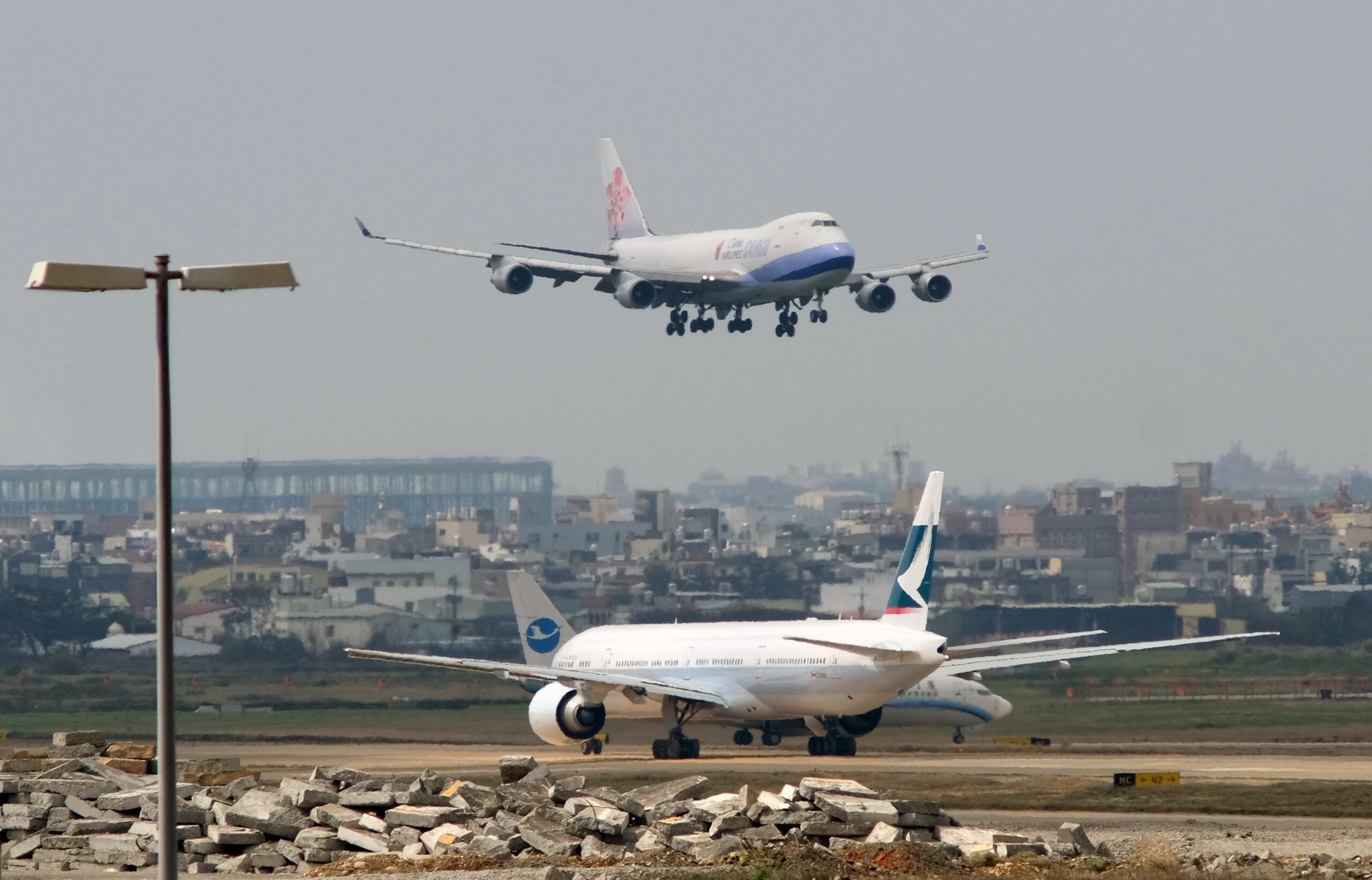
During airplane takeoff and landing, one of the most common instructions in air travel is often ignored by passengers. It is when the aircraft is preparing for takeoff or landing, flight attendants will request passengers to adjust their seat backs to an upright position. Why is it necessary to keep the seats upright during takeoff and landing? What is the real reason behind this rule?
The requirement for passengers to keep their seats in an upright position during takeoff and landing is not an outdated rule due to negligence. It is a safety requirement in commercial aviation with solid reasoning behind it.
According to experts interviewed by HuffPost, understanding the importance of takeoff and landing in terms of safety risks is crucial. Yuvraj Datta, Chief Supply and Revenue Officer at Fareportal, mentioned, “From a safety perspective, takeoff and landing are the most critical phases of a flight. Even though the likelihood is small, safety procedures in the cabin are designed to address any potential sudden evacuations or emergencies during these flight phases.”
Boeing’s latest Commercial Jet Aircraft Accident Summary report indicates that about 70% of fatal aviation accidents occur during takeoff, initial climb, final descent, and landing.
Requesting seat backs to remain upright during takeoff and landing prioritizes passenger safety. This allows for maximum space for passengers to stand and access the aisle during emergency evacuations.
Paula S. Adams, a former Etihad Airways crew member and current private flight attendant and aviation business trainer, explained, “Keeping the seats upright ensures that passengers are in the correct position with their seatbelts fastened, while also providing ample space for passengers in the rows behind to swiftly take action in case of evacuation. If the seats are reclined, it can hinder passengers from standing up and leaving their seats promptly, thereby slowing down the evacuation process. In emergency situations, even a few seconds’ difference can be crucial.”
The requirement for upright seat backs is not just a bureaucratic formality; it is backed by genuine safety considerations.
Shannon Brown, a member of Delta AirLines’ cabin crew and the Health, Safety, Security, and Welfare Committee, said, “Restoring the seats to an upright position ensures that the cabin remains in a safe operational state as per the aircraft design and airworthiness certification requirements. Commercial aircraft airworthiness certification mandates that all passengers can evacuate within 90 seconds in an emergency. Keeping the seats upright is one of the several simple measures to achieve this goal.”
This is also why the Federal Aviation Administration (FAA) requires crew members to adhere to detailed safety checklists.
Datta added, “Even a minor delay in emergency evacuations can trigger a chain reaction inside the cabin, slowing down the evacuation of dozens of passengers. Airlines and regulatory authorities place high importance on eliminating any factors that could hinder evacuations because every second is crucial.”
The same principles apply to the “brace position” during significant accidents that may occur during takeoff or landing. To assume this posture correctly, passengers need to be able to adjust their body positions safely.
—
Anton Radchenko, Founder and CEO of AirAdvisor, noted, “The brace position requires body leaning forward. When the front seats are reclined, it restricts this movement and narrows your escape route at critical moments.”
The reasons for keeping seat backs upright are not only for easy evacuation or ensuring the effectiveness of the “brace position.”
“The design standards for cabin seats are capable of withstanding impacts of up to 16G,” said Henry Harteveldt, President of Atmosphere Research Group and aviation industry analyst. “For commercial aircraft, the FAA and similar overseas regulators typically require passengers to adjust their seat backs to the upright position during takeoff and landing because this posture provides the best protection for passengers in the event of an accident.”
Dan Bubb, a resident professor at the UNLV Honors College and former airline pilot, also discussed the physics at play during high-speed flying.
—
“Considering the physics, especially during high-speed flight when the aircraft is ascending, all objects naturally tend to tilt backward,” he explained. “Therefore, you need to ensure that you don’t harm people behind you, don’t squeeze their legs, or fall and crush them from above. As both people and objects undergo displacement, particularly during the aircraft’s climb phase.”
The same principle applies during the landing process.
“When the pilot initiates engine thrust reverse during landing, you will feel a sudden forward thrust, along with the sound of items sliding in the luggage and overhead bins,” Bubb said. “The requirement for passengers to keep their seats upright, stow their belongings properly, purely ensures everyone’s safety, follows the laws of physics, and prevents items from falling and causing harm.”
The rules about stowing tray tables follow the same logic, both to maintain clear evacuation routes and to guard against potential harm from the physics of high-speed flight. Therefore, fastening seatbelts, properly stowing personal belongings, stowing tray tables, and adjusting seatbacks all work together to create a safer cabin environment.
“Many aviation safety requirements may feel like formalities because severe accidents are extremely rare, but this is precisely where the success of these measures lies,” Datta said. “The commercial aviation safety system consists of a series of progressive procedures; while individual procedures may seem trivial, collectively, they ensure that passengers can react swiftly and safely in emergency situations.”