
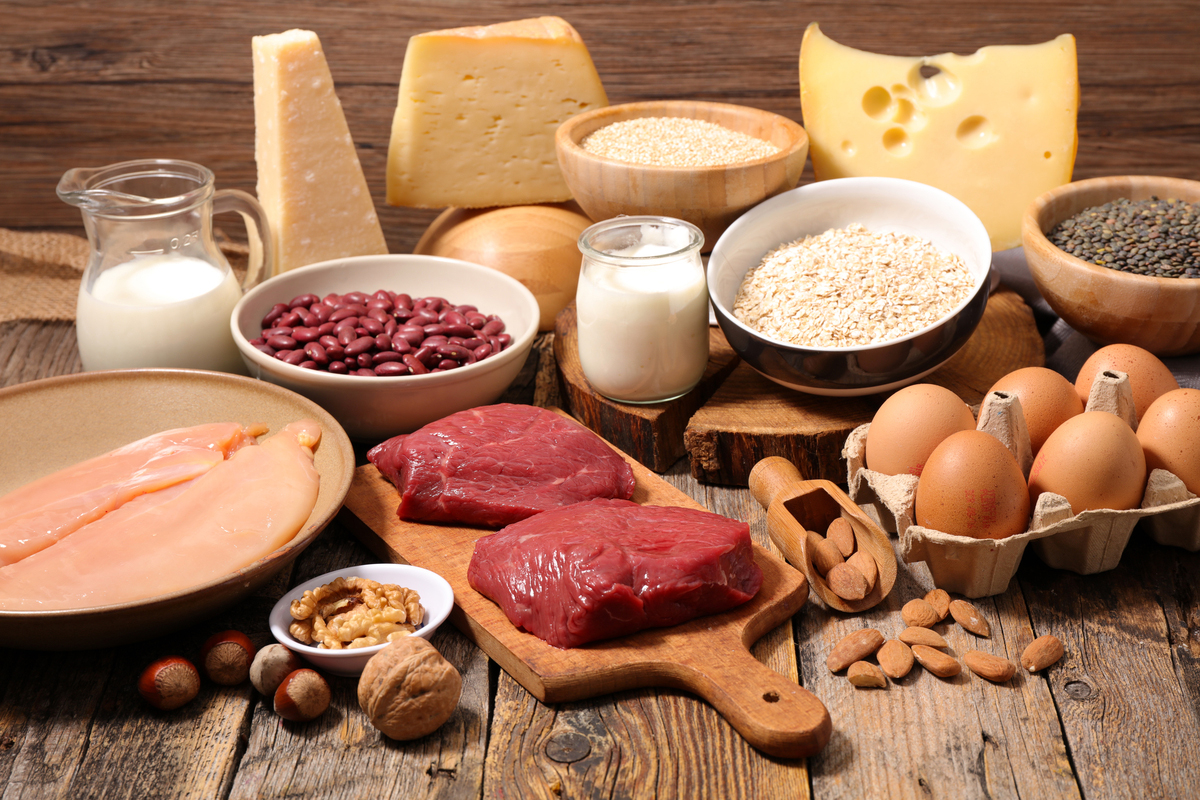
High-protein diets have become popular nowadays, but recent studies indicate that excessive protein intake without enough exercise may harm health and even affect lifespan.
Protein is a multi-billion dollar global industry, with high-protein brands promoting the message that we need to consume more and more protein, especially as we age.
However, scientific research reveals a more complex situation. In reality, for many people, consuming too much protein may accelerate aging.
Professor Dudley Lamming from the University of Wisconsin-Madison is an expert in this field. His research, published in the academic journal eLife along with other researchers, shows that even with the same caloric intake, a high-protein diet without exercise can lead to insulin resistance and further fat accumulation in the body.
In an interview with Time Magazine, Lamming stated, “We often think of protein as beneficial for health because it enhances satiety and is beneficial for muscles, but a series of epidemiological studies suggest that individuals consuming high-protein diets are at higher risk for cancer, diabetes, and cardiovascular diseases, and in some studies, even have a higher mortality rate.”
In today’s society, most people have long sedentary periods during the day, and individuals over 50 often have decreased physical activity. In this context, excessive protein intake may do more harm than good.
Wilbert Vermeij, head of the research team on aging biology at Erasmus University Medical Centre in the Netherlands, told The Daily Telegraph, “Our research indicates that when consuming excess protein without engaging in more exercise, thus not utilizing it directly for muscle growth, it leads to more DNA damage.”
Proteins, during digestion, not only break down into amino acids but also produce various unstable chemicals that damage the DNA of cells. Excess protein means an increased production of these unstable chemicals.
Lamming and his team found that experimental mice on a low-protein diet live on average 30% longer.
Their scientific review, led by Lamming and published in Cell Press Blue, analyzed over 350 studies involving humans, mice, insects, yeast, and other organisms. The review found that reducing protein intake or certain amino acids that make up proteins could activate physiological processes and metabolism related to healthy aging.
Many nutritionists recommend consuming at least 15 grams of protein per meal (equivalent to 50 grams of chicken breast or two eggs), with a maximum of 30 grams, depending on body weight.
Although all of Lamming’s research suggests that consuming less protein is ideal – especially if you are not exercising during a busy week or month – he is not currently recommending a long-term low-protein diet.
Lamming pointed out that studies limiting protein intake in humans are currently small in scale and short in duration, and further research is needed to understand the potential impact on exercise and different age groups and populations with varying needs.
Molecular biologist and longevity scientist Matt Kaeberlein noted that extremely low-protein diets could also have negative effects, such as decreased immune function and reduced bone density.
Furthermore, there is still a significant body of evidence supporting the benefits of high-protein diets. For example, a study published in The American Journal of Clinical Nutrition in 2024 found that individuals with protein intake higher than the recommended daily allowance were associated with healthier aging processes, including better overall health and cognitive function.
Lamming suggests that certain groups, such as those engaging in resistance training or pregnant women, may benefit more from high-protein diets.
He said, “Proteins are now being added to drinking water and even coated on potato chips, potentially neutral or beneficial for those engaging in some exercise. But for sedentary individuals, it could be harmful.”
Kaeberlein remarked that we may eventually have enough scientific data to tailor ideal protein intake levels and types for each individual. However, currently, “our understanding of how to optimize protein intake levels for populations and individuals is still in a very early stage. For the average person, it’s best not to get lost in these intricate details, as we don’t have clear answers yet.”
Instead, Kaeberlein recommends focusing on diet quality, primarily consuming “whole foods and plenty of vegetables.”
He said, “Before worrying about protein intake, consider diet quality. Furthermore, I think it really depends on your goals, life stage, and what is sustainable for you. I know everyone wants a specific number, like how many grams of protein per pound of body weight. But without long-term data, we can’t assert with certainty what intake level is best.”