
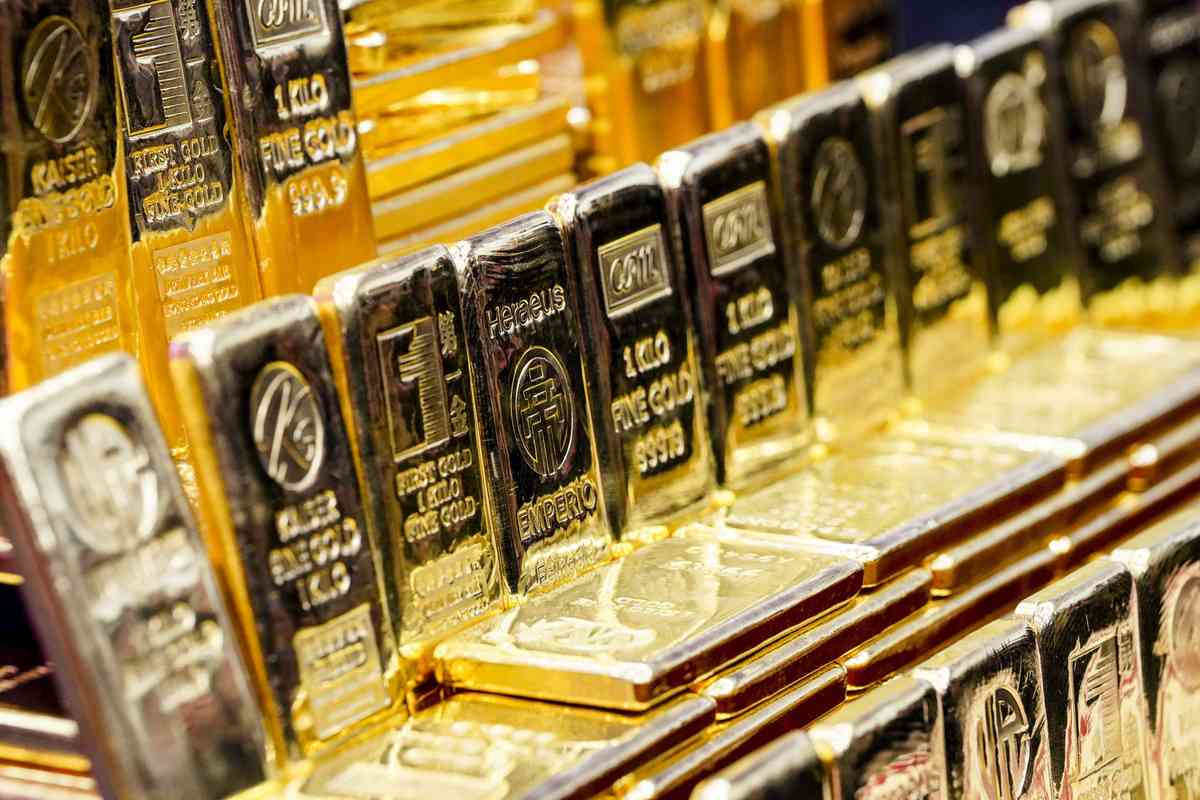
As conflicts continue in Ukraine and the Middle East, trade tensions escalate, and inflation remains high, governments around the world are quietly increasing their gold holdings. This indicates that many countries are preparing for a more uncertain future.
Apart from China, central banks of various countries have been steadily increasing their gold reserves. According to a report by Fox News, Joseph Cavatoni, Senior Market Strategist for the World Gold Council’s Americas region, stated that Poland, Uzbekistan, Kazakhstan, Czech Republic, Chile, Jordan, and Ghana are among the largest gold buyers this year.
A survey released by the World Gold Council in mid-June revealed that 89% of central banks expect global central bank gold reserves to increase in the next 12 months. Additionally, a record-breaking 45% of central banks anticipate an increase in their gold reserves during the same period.
The Gold Council stated that gold’s outstanding performance during times of crisis, portfolio diversification, and hedging against inflation are among the main reasons central banks hold gold. Furthermore, using gold as a hedge against geopolitical risks and as part of a policy of diversifying reserve assets are also significant reasons for central banks to increase their gold allocations.
For decades, central banks around the world have heavily invested in US Treasury bonds because they are considered one of the safest global investments. Cavatoni mentioned that many countries are now increasing their gold holdings because they seek an additional layer of protection against inflation, global instability, and economic turmoil.
“They are seeking diversification,” he said, “and gold fits this need perfectly because of its liquidity, risk diversification capabilities, and ability to counter inflation and geopolitical uncertainties.”
Some experts suggest that central banks increasing their gold holdings indicate their expectation that current economic and geopolitical uncertainties will persist. Gold has long been considered a safe haven asset.
While the US holds more gold than any other country globally, the majority actively increasing their gold reserves are developing countries. These nations aim to reduce their reliance on foreign currencies beyond their control. Cavatoni noted that the US does not have a particular need to continue boosting its gold reserves.
The trend of central banks increasing their gold holdings is worth noting for ordinary American citizens concerned about rising prices, increasing government debt, and economic prospects. The hedging characteristics of gold also attract individual investors. A surprising trend for Cavatoni is that even as the price of gold approaches historic highs, people are not rushing to sell.
“This tells me a few key things,” Cavatoni said, “People are unlikely to part with their gold easily.”
Investors and many central banks choose not to cash out but instead continue holding gold or further increasing their gold holdings. This indicates that in an increasingly unpredictable world, they are increasingly viewing gold not as a short-term investment but as a long-term financial “insurance.”
(The content of this article is for general information purposes only, with no recommendations. The Epoch Times does not provide investment, tax, legal, financial planning, or other personal financial advice. For specific investment matters, please consult your financial advisor. The Epoch Times does not assume any investment responsibility.)