
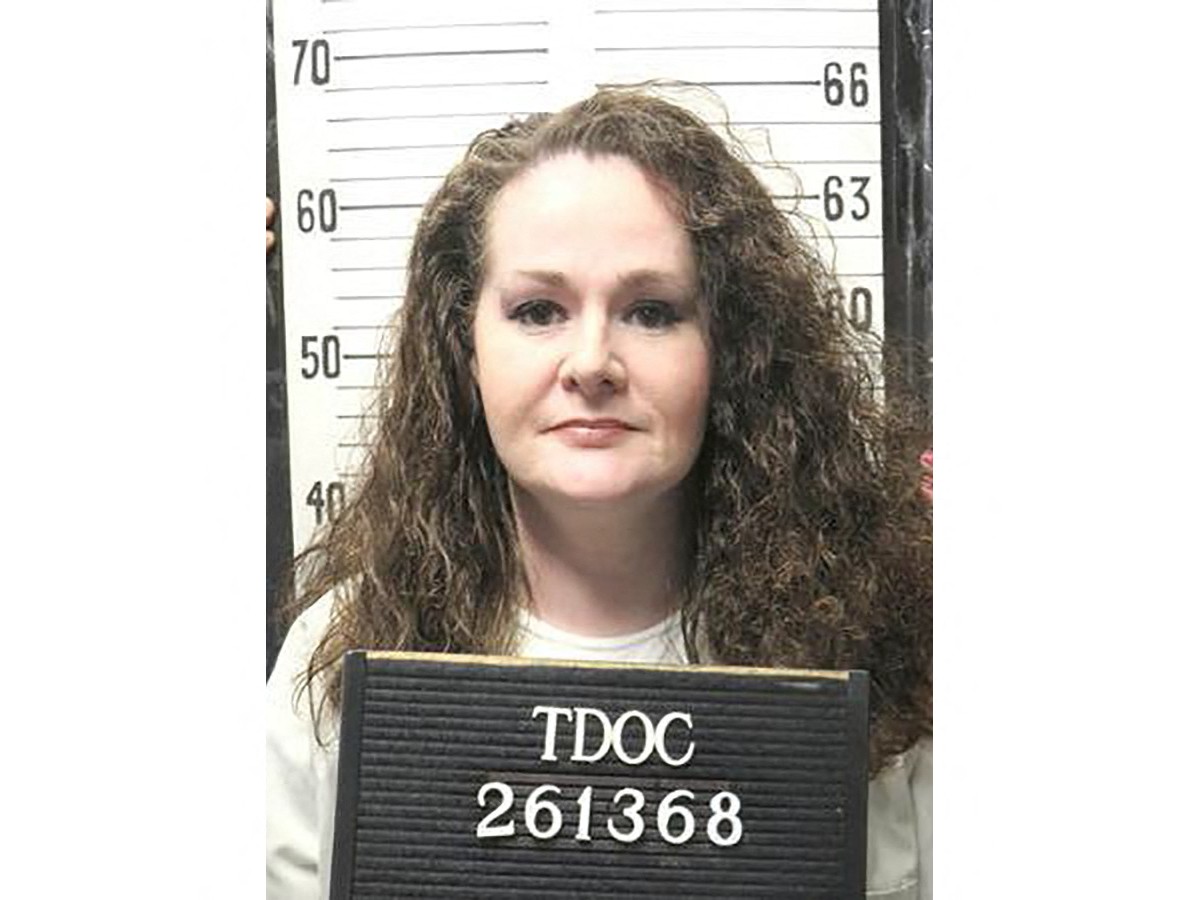
In an update from the United States on October 3, 2026, it was revealed that 50-year-old death row inmate Christa Pike’s execution attempt by lethal injection in Tennessee failed, leaving her in a critical condition. Following the unsuccessful execution, Pike is currently in a coma and relies on a ventilator to sustain her life.
Initially scheduled for execution on the evening of September 30, Pike’s legal team disclosed that she received two doses of lethal pentobarbital injections, during which she cried, groaned, and breathed loudly, expressing feeling like her arms were “about to explode.”
Reports from her lawyers indicated that Pike was taken to a hospital in the Nashville area with swollen, burnt arms and blisters. Medical staff are now working to save her life and remove the pentobarbital from her system.
In a statement released on Friday, Pike’s attorneys Stephen Ferrell and Luke Ihnen revealed that she is currently in a critical condition, unconscious, and on life support including a ventilator for breathing assistance and treatment.
On the same day, her legal team filed an emergency motion in Davidson County Chancery Court in Tennessee to preserve all evidence related to the failed execution to further investigate what went wrong.
The motion highlighted that the entire execution process lasted over two hours and raised concerns about medical staff allegedly not following basic procedures, including ensuring the needle used was new, functioning correctly, and inserted properly.
It was also disclosed that months before the execution, Pike had raised concerns about her health condition potentially complicating the lethal injection process.
According to reports from NBC News, the execution chamber lacked emergency medical oxygen, requiring medical personnel to retrieve it from elsewhere when issues arose.
A spokesperson from the Tennessee Department of Correction stated that the organization would not comment on ongoing litigation.
Governor Bill Lee of Tennessee ordered a third-party investigation and suspended the remaining executions for the year in response to the incident. He emphasized the need for the state government to determine why this execution outcome differed from previous ones.
On September 30, the Supreme Court of the United States ruled 6-3 in favor of allowing Tennessee to lift a lower court’s stay of execution, enabling the state government to carry out the death penalty before the midnight expiration of the execution warrant.
Pike was convicted of first-degree murder and sentenced to death in 1996 for the killing of her 19-year-old classmate Colleen Slemmer in 1995 when she was 18 years old.
Had the execution been successful, Pike would have been the first female death row inmate in Tennessee to be executed in approximately 200 years.