
In the depths of the Southeast Asian jungle, shielded by high walls and barbed wire, a large number of fraudsters are scamming billions of dollars from Americans.
These scam artists meticulously follow a well-designed scheme, often spending days or weeks building emotional bonds with their targets before carrying out the fraud.
These factory-like scam compounds have repeatedly succeeded and their scale continues to expand, with the United States paying the price. In just one year in 2025, American citizens reported 72,000 cases of cryptocurrency investment scams to the Internet Crime Complaint Center of the Federal Bureau of Investigation (FBI), with losses exceeding $7.5 billion.
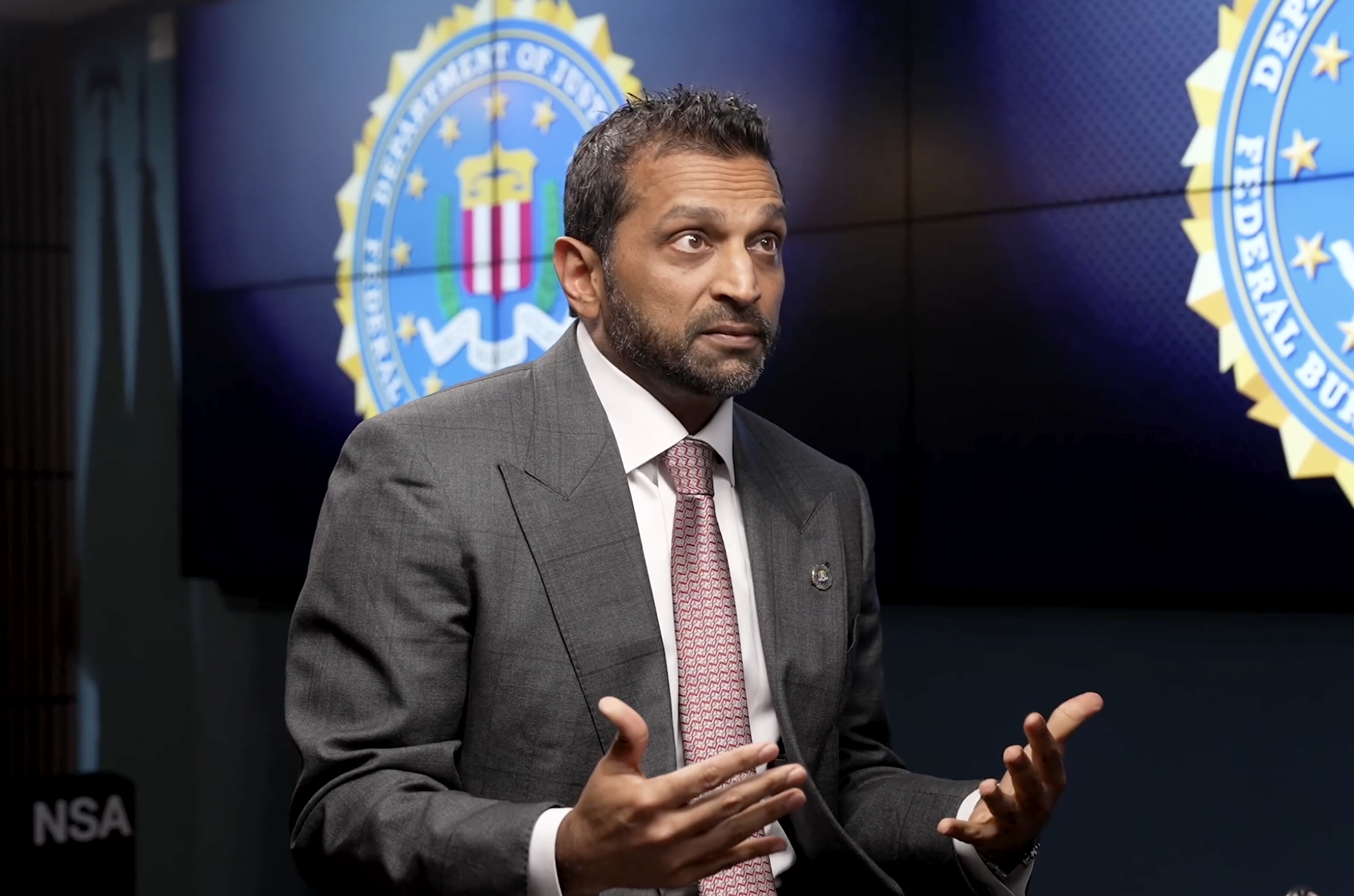
FBI Director Kash Patel explained to the Epoch Times that the U.S. is currently taking a dual-pronged approach to counterattack: dismantling the infrastructure of criminal groups globally and actively identifying victims to prevent harm. These actions are respectively named “Operation Blackout” and “Operation Level Up.”
Over the past 14 months, the FBI has seized $15.2 billion in illegal funds, arrested hundreds of individuals, shut down nine scam compounds, and issued warnings to over 9,900 victims, with 77% of them unaware of being targeted by fraudsters.
FBI agents have shut down 8,000 terminals connecting fraudsters to the outside world, “cutting off their lifeline for fraud,” according to Patel.
“People from all over the country have written to the FBI saying, ‘You saved our life savings, saved our children’s college tuition,'” Patel said. “Some have even contemplated suicide because being a victim of such heinous crimes is shameful.”
Patel stated that the goal of the FBI’s actions is to “thoroughly destroy these compounds wherever they are located.”
“I believe by the end of this summer, we will see more significant results,” he added.
The masterminds behind these scams are criminal groups from China, which in the 2000s made profits through casinos and online gambling. As local Chinese governments tightened regulations, these groups shifted their operations to the loosely regulated border areas of Southeast Asia, particularly in countries like Cambodia, Laos, and Myanmar, forming alliances with corrupt officials and military factions.
When travel restrictions and crackdowns on gambling were intensified due to the pandemic, these criminal networks turned to fraud activities.
The core operation of these criminal syndicates is human trafficking. On instant messaging platforms like Telegram, criminals recruit under the guise of customer service, telemarketing, and casino agents, often promising generous salaries, travel expenses, and meal allowances – all of which are false promises.
Respondents to these advertisements found themselves under the control of criminals, forced to engage in fraudulent activities for extended periods, impersonating law enforcement officers, romantic partners, and investors to deceive victims into giving up their money.
Those who fail to meet expectations face severe penalties.
According to court documents, Chinese-born scam leader Chen Zhi was charged in the U.S. for operating one of Asia’s largest transnational online fraud groups. He supposedly authorized a cohort to assault a worker causing trouble in a compound.
It is alleged that he instructed his underlings to ensure the worker was not “beaten to death” and preserved photos documenting the violent acts. Lawsuit documents indicate that one photo showed a man with a bloodied face, while another showed a man covered in long chest and arm bruises.
Chen kept accounts of bribes to public officials, including luxury watches worth millions of dollars given to a foreign senior official. In 2020, the official reportedly facilitated Chen’s passport, allowing him to travel to the U.S. in 2023.
Chen and his cohort allegedly illicitly profited over $18 million from 250 Americans through a money laundering network in Brooklyn, New York. They lived lavishly, splurging on yachts, private jets, vacation villas, and rare artworks, including a Picasso painting purchased from a New York auction house.
However, their empire began to crumble. By the end of 2025, U.S. law enforcement agencies announced the seizure of $15 billion in Bitcoin from cryptocurrency wallets related to Chen, marking the largest such confiscation in American history.
While Chen’s scam group, the “Prince Group,” denies the charges, 180 individuals and entities associated with him are currently facing U.S. sanctions.
Patel stated that the purpose of these actions is to cut off the financial channels of criminal groups.
By isolating fraud networks from the global financial system, the U.S. can “undermine their ability to launder these illicit gains,” Patel said.
In recent years, Americans have become prime targets for fraudsters who have developed specific strategies to target them.
Court documents revealed that a major Telegram recruitment channel once posted job ads for Cambodia, explicitly requiring applicants to speak with an “American accent” and be able to work night shifts – equivalent to daytime work in the U.S.
The scripts and personnel configurations of multiple scam groups busted by the FBI were focused around English. Some groups required fraud personnel to impersonate U.S. bank representatives.
In December 2024, a scam center staff member fraudulently obtained around $3 million from an American citizen. The team leader of the staff member is currently facing federal charges in the U.S., and allegedly received a Mercedes-Maybach luxury car as a reward.
To evade law enforcement scrutiny, these criminals have shifted locations multiple times. Just weeks before their arrest in January this year, the team leader was discussing recruiting more personnel for a new base dedicated to scamming Americans.
FBI operations have rescued thousands of “slave” laborers trafficked by criminals. “This is a victory for the world,” Patel said.
Criminals utilize “consolidated wallets” – a single digital wallet that centralizes multiple accounts, assets, currencies, or payment methods. This often involves hundreds to thousands of transactions, making it complex to trace the source of funds.
Patel noted that the FBI is intensifying countermeasures.
He explained that the FBI has rebuilt its information technology infrastructure, providing standardized tools for agents nationwide. Integration of artificial intelligence (AI) and facial recognition technology facilitates intelligence sharing and expands investigative capabilities. Collaboration with the private sector enables proactive detection of risk signals and new operational protocols ensure timely seizure of cryptocurrency.
For Americans suspicious of falling victim to fraud, Patel advised, “Please contact us as soon and as much as possible.”
“These cases are never isolated incidents. They are all connected to criminal networks overseas,” he emphasized. Every new lead could provide the FBI with breakthroughs, leading to more joint raids and asset confiscations.
By doing so, Patel highlighted that Americans can help rescue potential victims who have already been duped and increase their chances of recovering their losses.
“This is the ultimate victory,” he concluded.