
In June this year, the market share of joint venture automobiles in the Chinese automotive market plummeted to 24.5%, breaking the red line of 25%, indicating that joint venture car companies are losing their dominance in the Chinese automotive market. This news made headlines on July 28.
The China Automotive Forum 2026 themed “Breaking the Dilemma of the New Era of Joint Ventures” was held on July 22 in Jiading, Shanghai. During the forum, Wang Qian, Deputy General Manager of Dongfeng Nissan Motor Sales Co., Ltd., revealed, “In June, the market share of joint ventures and foreign brands fell to only 24.5%. A quarter of the market share, three years ago no one would have believed it, but today it is a reality.”
According to a report by “First Finance” on July 27, in 2020, the market share of joint venture automobile brands was around 61.6%, while Chinese domestic brands accounted for about 38.4% of the market share. The ratio of market share between joint venture brands and domestic brands was about six to four. However, in the first half of 2026, there has been a reversal in market share between the two. The 25% market share is considered a crucial threshold for the market size of joint venture car companies. If the market share remains below 25% for a long time, it means that joint venture car companies are losing market dominance, which will in turn affect their channel strategy, research and development costs, production capacity utilization, and more.
Data from the China Association of Automobile Manufacturers (CAAM) shows that in the first half of 2026, Chinese brand passenger car sales reached 9.138 million units, accounting for 71.8% of the market share, while the combined share of joint venture and foreign brands dropped to only 28.2%.
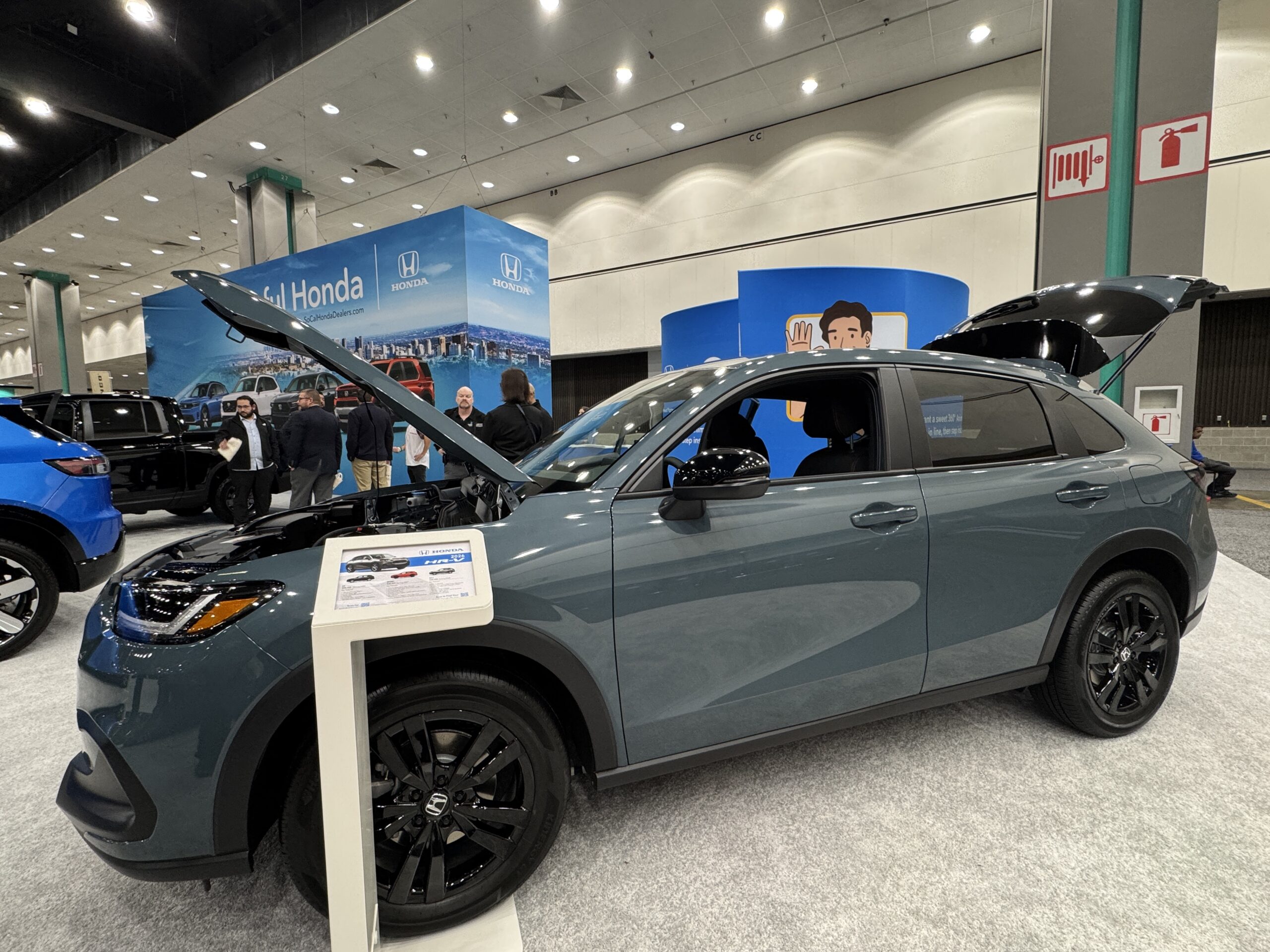
Specifically, in the first half of this year, sales of joint venture vehicles from German, Japanese, American, and Korean brands all saw significant declines. The sales volume of German brands dropped by double digits compared to the previous year. Japanese brands Toyota, Nissan, and Honda also experienced double-digit declines in sales in the first half of the year. Honda’s sales in the first half of the year were only 205,800 units, a staggering 34.7% decrease year-on-year. According to data from Guangzhou Automobile Group, Guangzhou Honda’s sales in the first half of the year were 68,318 units, a sharp 55.82% decline compared to the same period last year. Additionally, American and Korean joint venture vehicle sales also declined, with Changan Ford’s retail sales in China at 28,800 units, a nearly 39% drop compared to the first half of last year.
Regarding this, Li Fenggang, General Manager of Beijing Hyundai Motor Co., Ltd., stated that joint venture brands are not keeping pace with the market in the transition to electric vehicles. Li explained that in 2020, fuel vehicles accounted for 94.3% of the Chinese automotive market; by 2025, the overall proportion of fuel vehicles had dropped to 46.1%, which directly lowered their overall market share.
Data from the Passenger Car Branch of the China Association of Automobile Manufacturers indicates that in June of this year, the domestic retail penetration rate of electric vehicles in China reached 62.8%, an increase of 9.5 percentage points compared to the same period last year. Among them, the penetration rate of domestic brand new energy vehicles reached 81.8%, while mainstream joint venture brands were only at 11.9%.
Furthermore, Zheng Yun, Global Senior Partner and Head of Automotive Business in the Asia-Pacific region at Roland Berger, also pointed out that most joint venture car companies rely on overseas suppliers, with localized procurement limited to “manufacturing in China,” directly resulting in a cost structure disadvantage for their products.
With the support of policies and financial subsidies from the Chinese authorities, electric vehicles in China are growing rapidly. The “Global EV Outlook 2026” report released by the International Energy Agency (IEA) shows that in 2025, China produced nearly 75% of the world’s electric vehicles for the entire year.