
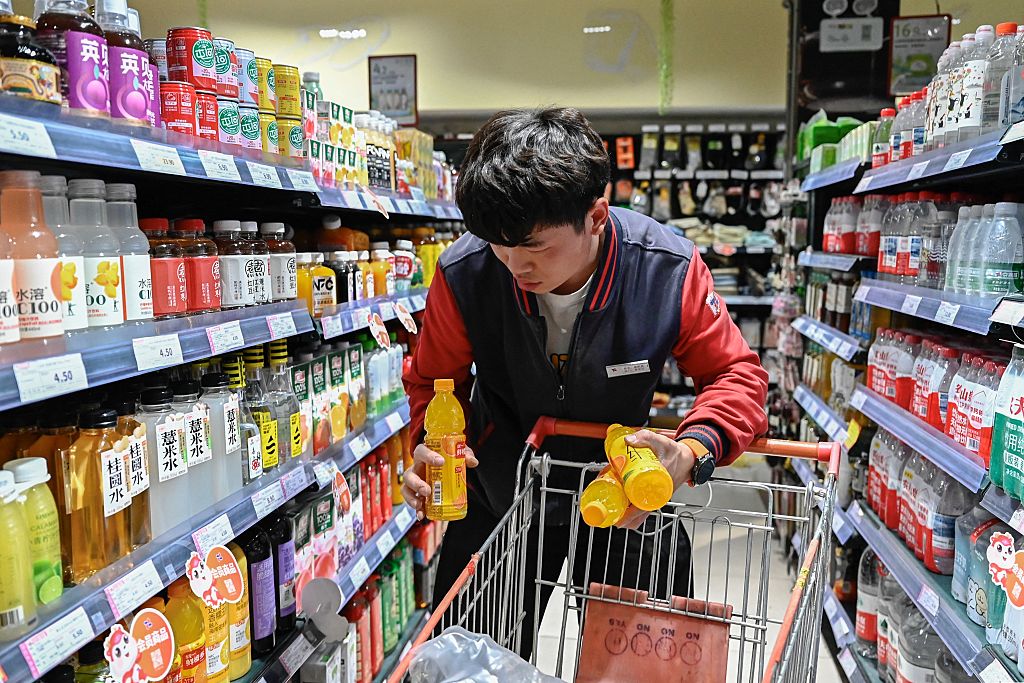
The mainland beverage market has not heated up after entering the traditional peak season. Retail monitoring data shows that in the second quarter of this year, sales of traditional offline retail channels in mainland China decreased by 11.78% compared to the same period last year. Carbonated drinks, fruit juices, and sweetened ready-to-drink teas all experienced double-digit declines, and the number of new beverage products also noticeably decreased.
According to the 2026 second-quarter offline retail flash report released by retail monitoring institution “Win Immediately,” in the first quarter of this year, sales of beverages through traditional offline channels decreased by 3.77% compared to the previous year, with the decline widening to 11.78% in the second quarter.
By category, in the second quarter, sales of traditional Chinese health water decreased by 20.1%, ready-to-drink fruit juice by 14.84%, carbonated drinks by 12.23%, and sweetened ready-to-drink tea by 11.17%; bottled water, energy drinks, and sports drinks saw declines of around 8% to 10%. Only unsweetened ready-to-drink tea and ready-to-drink coffee maintained growth, increasing by 16.1% and 0.35% respectively.
On May 25, citing data from global consumer research and retail monitoring institution Nielsen IQ, “Blue Whale News” reported that in May of this year, overall beverage sales in mainland China decreased by 8.7% across all channels, with offline channels seeing a 10.1% decline.
An operator of a supermarket in Jiangsu said that carbonated drinks, which were often sold out in previous summers, now face an inventory build-up this year. A convenience store clerk in Shanghai estimated that sales of traditional sugary drinks at their store had dropped by about 30%.
“Win Immediately” believes that the above-normal rainfall and lower average temperatures in many regions since the beginning of summer have also affected the sales of traditional summer beverages such as carbonated drinks and iced tea.
Regarding this topic, some netizens commented: “Too sweet, stopped drinking it long ago.” Others said, “Those who loved carbonated drinks have reached an age where they are now watching their sugar intake.” Some people mentioned that they are not completely avoiding buying beverages but are reducing impulsive consumption and opting for plain water or bringing their own drinks more often when going out.
As sales face pressure, the number of new beverage products is also decreasing. “Win Immediately” found that in the second quarter of this year, new ready-to-drink fruit juice products decreased from 1182 in the same period last year to 679; traditional Chinese health water decreased from 134 to 49, and new carbonated drink products also declined by 108.
According to a report by “Interface News,” a business owner operating three convenience stores in Beijing stated that the best-selling products in their store are mature products like O’East Leaves, electrolyte water, and iced tea, with demand for bottled water relatively stable. A store manager in Shanxi mentioned that some local small brands of unsweetened tea products have exited the market this year.
Master Kong’s beverage business has also experienced a decline. In 2025, the revenue for this business was 50.123 billion RMB, a 2.9% year-on-year decrease, marking the first annual decline since 2017. Ready-to-drink tea, bottled water, and fruit juice revenues all declined, while carbonated and other beverage revenues saw some growth.
A report by global management consulting firm Bain and consumer market research institution New Retour Consumer Index shows that in 2025, the sales value of fast-moving consumer goods in mainland urban areas increased by 0.9%, sales volume increased by 3.6%, but the average selling price dropped by 2.6%.
In the first quarter of this year, sales value of fast-moving consumer goods decreased by 1.3% year-on-year, with beverage sales down by 2.9%. The report attributed the decline in beverage sales to the continuation of consumption upgrading trends and intensified channel competition.