
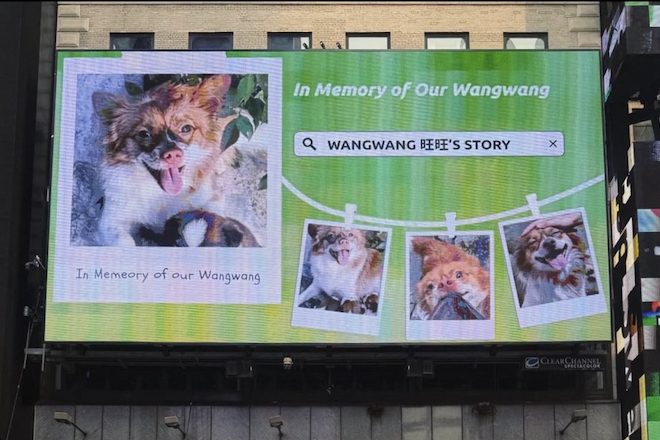
In a horrific incident that shocked the public, four boys in Jieyang, Guangdong, were caught on camera brutally killing a dog and its puppies on the street. The video of the mother dog, “Wang Wang,” being beaten with a stick and set on fire, while her puppies were attacked and killed, sparked outrage online and calls for authorities to enact legislation to protect animals. This event has not only garnered attention domestically but has also spread to international platforms.
On June 28, the boys were filmed abusing the dogs, with the distressing footage later uploaded on the internet. Despite efforts to remove the video, it can still be found on certain social media platforms like Xiaohongshu.
This was the second incident in a few months in China that triggered nationwide protests against animal cruelty, with the previous one occurring in Chongqing. Currently, China lacks comprehensive national laws for the protection of animals or against animal abuse. Furthermore, as the perpetrators in the “Wang Wang” case were minors, no criminal charges have been filed in relation to the incident.
Social media has been inundated with posts condemning animal abuse and advocating for legal measures. People from all over the country, including in Hong Kong and Macao, have shown their support in various ways, such as displaying banners and distributing flyers in busy public areas.
In Sichuan, a large screen at the Aiqin Sea Shopping Center in Luzhou displayed the message “Respect life, be kind to animals.” Additionally, banners featuring “Wang Wang” and her puppies were hung up in solidarity.
Support advertisements related to the incident were reported to have appeared on 241 screens in various provinces across mainland China. However, the Chinese authorities have taken actions to suppress these displays of support.
A leaked internal document from the Shenyang Daxi District Cyberspace Administration categorized actions supporting “Wang Wang” as having potential political risks associated with foreign forces and called for inspections of mall screens by local trade departments.
Public figures such as Chinese actor Du Jiang and Taiwanese actress Joe Chen had their social media posts concerning the incident taken down. Furthermore, there have been reports of individuals facing repercussions for expressing their support for “Wang Wang.”
Despite these challenges, discussions on social media regarding the incident have not been entirely censored. Some online users believe that animal cruelty issues transcend mere love for animals and instead speak to larger societal values of opposing violence and upholding empathy and compassion.
As support for “Wang Wang” faces obstacles within China, supporters have taken their voices abroad. Online platforms like Facebook and Threads have hosted discussions on the incident, with hashtags advocating for justice for “Wang Wang.”
International animal rights organizations have also joined the cause, with petitions urging China to address the psychological needs of the underage individuals involved, hold guardians accountable, and push for anti-animal cruelty legislation. Organizations like Lady Freethinker have gathered significant support for these efforts.
From Italy to Japan, calls for accountability and the establishment of comprehensive legal frameworks for the protection of companion and stray animals in response to the Jieyang incident have reverberated globally, underscoring the far-reaching impact of the tragic event.