
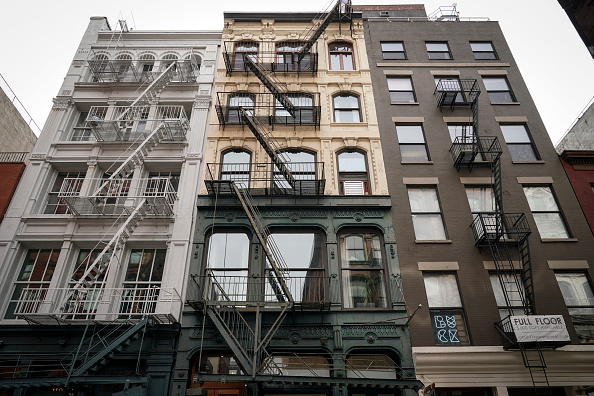
New York City Comptroller Mark Levine recently stated that the current rent-stabilized housing system and complex administrative regulations in New York City are exacerbating the shortage of affordable housing. He advocates for adjusting relevant policies to incentivize landlords to renovate vacant housing units and simplify the residential development approval process to increase housing supply.
Levine, in an interview with the radio program “Cats Roundtable,” pointed out that there are approximately one million rent-stabilized housing units in New York City. However, existing regulations make it difficult for landlords to recoup renovation costs even after investing substantial amounts of money in refurbishing properties once tenants move out, leading to many residences remaining vacant for extended periods.
He mentioned that renovation costs for some housing units could amount to tens of thousands of dollars, and landlords are unable to recover their investments through reasonable rent adjustments, resulting in many units that could be rented out remaining off the market.
According to a recent housing report, approximately 57,000 rent-stabilized housing units were vacant in the five boroughs of New York City last year. Levine believes that the core issue underlying the city’s housing problem is insufficient supply, estimating a shortage of around 500,000 housing units citywide.
He suggested that the government should undertake institutional reforms to bring these vacant units back into the rental market while balancing affordability for residents and providing economic incentives for necessary renovations by landlords.
On another front, the Rent Guidelines Board recently decided to implement a two-year rent freeze for rent-stabilized housing units, fulfilling a campaign promise made by Mayor Zohran Mamdani last year. However, landlord groups argue that the freeze measures will further weaken the ability to maintain buildings amidst continuing cost increases, leading to a deterioration in housing quality.
Beyond housing rental policies, Levine also criticized the high costs associated with residential development in New York City, attributing it to excessive government regulations and administrative procedures that inflate construction costs and slow down housing supply.
He indicated that the average cost of constructing high-end residences now exceeds $1 million, with even more affordable housing units costing around $750,000 per unit to build. He believes that the city’s cumbersome regulations and approval processes are significant factors contributing to the persistently high costs.
Levine highlighted that residential development projects often take 12 to 18 months from application to obtaining building permits, suggesting that these processes should be significantly shortened to 12 to 18 days to expedite housing construction.
Additionally, he mentioned that rent collection rates have yet to fully recover to pre-COVID-19 levels post-pandemic, posing financial pressures on public housing finances.
Levine noted that the New York City Housing Authority (NYCHA) heavily relies on rental income to cover building maintenance and operational expenses. Therefore, insufficient rent collections will impact public housing maintenance. While emphasizing that residents should not be forced to leave, the government still needs to encourage tenants to resume normal rent payments to sustain the operation of the public housing system.
Discussing the New York economy, Levine mentioned that the current job market growth has begun to stagnate, with new employment opportunities mainly concentrated in the healthcare sector, particularly in home care services. He believes that states like Texas and Florida are attracting more businesses and population, intensifying interstate competition and putting pressure on New York.
He pointed out that Florida has been steadily promoting residential development in recent years, causing some investments and populations that could have settled in New York to shift, prompting New York to enhance its competitiveness to revitalize housing construction and job growth.
On a different note, former New York Governor George Pataki also criticized the current state administration’s policies on the “Cats Roundtable” program, stating that New York is gradually losing its competitiveness.
Pataki mentioned that New York is being impacted by high tax burdens, burdensome regulations, increased government expenditures, and various policy measures. He believes that these factors are gradually weakening New York’s past advantages and competitiveness.