
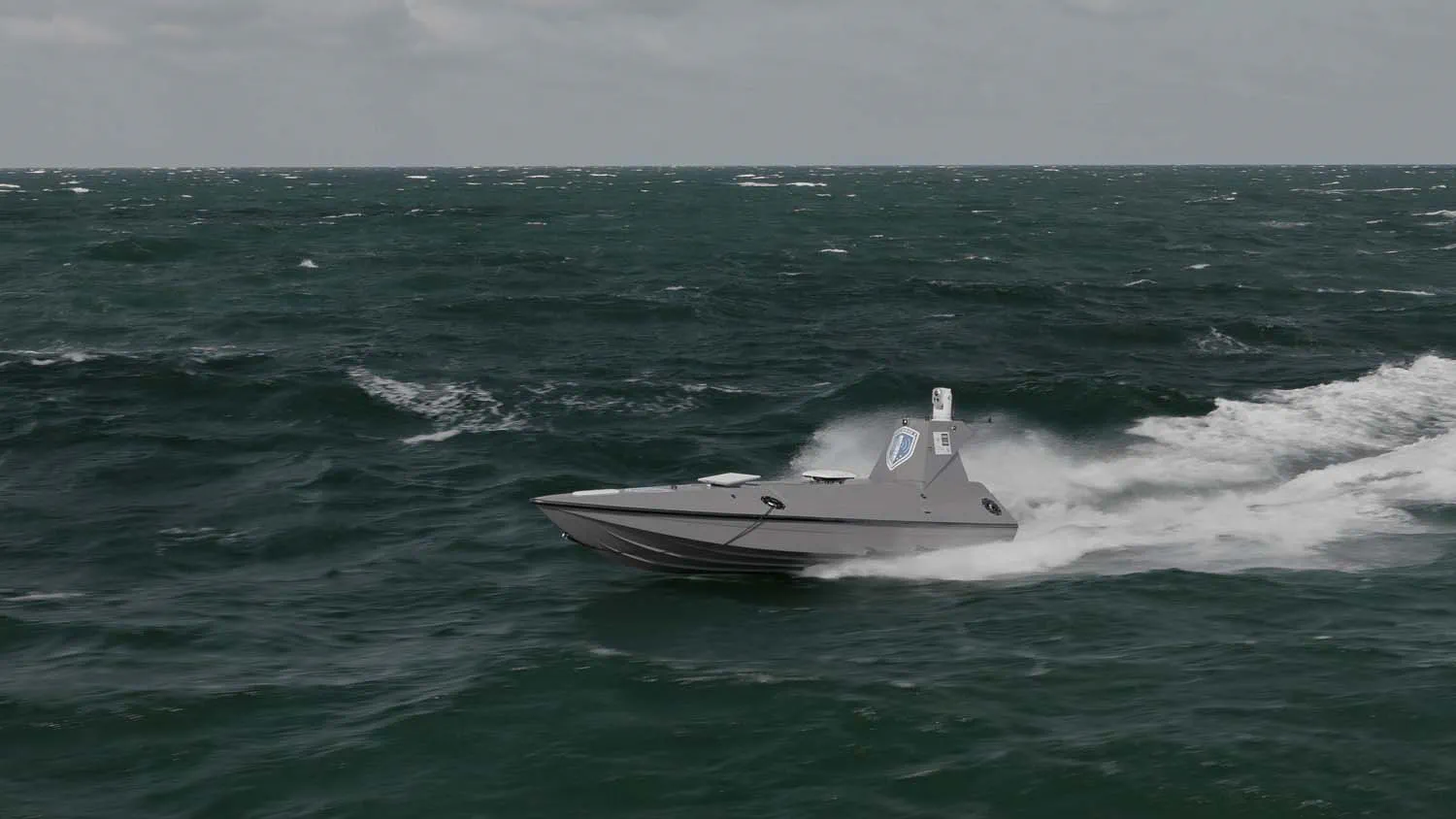
Recently disclosed by British media, a batch of unmanned surface vessels used by the Royal Navy of the United Kingdom was found to contain Chinese-made components in their cameras, which were discovered to be sending network communication data to IP addresses within China. The UK Ministry of Defense stated that the network connections of the related equipment have been severed, and investigations did not reveal any leakage of sensitive data or intrusion into military systems.
According to a report by the British newspaper “The Daily Telegraph” on August 9, the Royal Navy began using the K3 Scout unmanned surface vessels (USV) provided by the UK’s Kraken Technology Group since March of this year. These vessels are mainly operated by the Royal Marine Commandos of the Coastal Forces and the 47th Assault Troop.
The report mentioned that during a routine cybersecurity vulnerability assessment, the cameras equipped on the unmanned vessel system were found to have abnormal network communications. Further investigation revealed that the cameras were sending so-called “heartbeat communications” to an IP address within China, which is used to confirm the online status and normal operation of the devices.
The UK Ministry of Defense mentioned that following the discovery of the issue, all internet connections related to the cameras were immediately severed, and a comprehensive investigation was launched. The investigation results showed that there is currently no evidence indicating that the Ministry of Defense data or systems have been externally accessed, invaded, or had data transmitted abroad.
Kraken Technology Group responded by stating that the company has completed a comprehensive review with the Royal Navy, confirming that although certain third-party cameras meeting the requirements of the US National Defense Authorization Act (NDAA) contain a small amount of components from outside the UK, no sensitive information has been found to flow to unauthorized channels, and potential security vulnerabilities have been addressed.
Informed sources cited in the report mentioned that the K3 Scout was originally intended to be a key equipment for the UK military’s future deployment in the Persian Gulf and to safeguard the freedom of navigation in the Strait of Hormuz. Some preliminary preparations for the related equipment have already been initiated on these unmanned vessels.
The report also mentioned that the involved unmanned vessels have approached the headquarters of the UK Special Boat Service (SBS) and sensitive military meeting places, leading to concerns from the public about potential security risks posed to military personnel and facilities by the equipment. However, the UK Ministry of Defense reiterated that there is currently no evidence indicating the leakage of classified information.
The K3 Scout can carry approximately 600 kilograms of payload, operate continuously for up to 30 days, and besides the UK, the US Special Operations Command has also procured this equipment and participated in NATO Baltic Sea tests.
Following the exposure of the incident, the opposition Conservative Party demanded that the government conduct a comprehensive review of military equipment to investigate whether there are still lingering security risks related to Chinese components. The Shadow Security Minister, Alicia Kearns, stated that without confirmation of the sources of internal components within the military, it is difficult to ensure that the equipment is fully under national control.
This incident is also believed to potentially impact the advancement of the Royal Navy’s “Project Beehive”, which aims to enhance the UK’s future maritime combat capabilities by enabling unmanned combat platforms to operate in conjunction with traditional warships.
In recent years, the UK government has continuously strengthened security reviews of Chinese-related technologies and equipment. In 2020, the UK decided to exclude Huawei equipment from 5G communication networks citing national security reasons. The UK military has also been clearing Chinese-made surveillance equipment and some hardware from sensitive locations in recent years. According to previous reports by “The Daily Telegraph”, the UK’s Special Boat Service has recently banned Chinese-made electric vehicles from entering their bases.
The UK’s Security Service (MI5) has warned multiple times in recent years about the risks of Chinese intelligence activities. In October of last year, MI5 issued security guidance reminding UK political figures to be vigilant against foreign intelligence agencies acquiring sensitive information through long-term relationship building, network activities, etc. In November, they warned that Chinese intelligence personnel were attempting to recruit individuals with access to sensitive UK information, and were using platforms like LinkedIn to establish contact with target individuals under the guise of headhunters.