
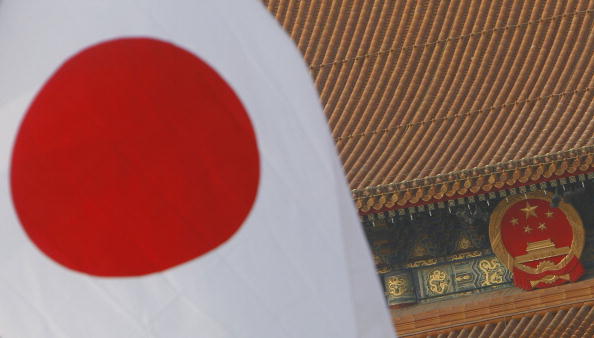
In July 31, 2026, since last November when Japanese Prime Minister Takaichi Sanae made the statement “If Taiwan has a problem”, several Japanese journalists stationed in China have reported that they have been facing stricter surveillance by the Chinese public security authorities this year. The reporting environment has noticeably tightened, with even large-scale events that were previously open for coverage now inaccessible.
According to a report by Taiwan’s Central News Agency on July 30, a Japanese journalist stationed in China stated that it has never been easy for foreign media to interview passersby in China. However, this year, the process has become even more challenging. Journalists are required by the public security to wear press badges at all times when conducting interviews, clearly indicating which Japanese media organization they belong to, and they must obtain the consent of the interviewee before proceeding. While there were regulations in the past, the strict surveillance by the public security authorities was not as prevalent.
The journalist revealed that since the beginning of this year, several local heads of Japanese media outlets in China have been visited by Chinese public security officials inquiring whether they were adhering to the aforementioned standards. In the past, visits primarily came from local press offices and government agencies, but since November last year, law enforcement agencies such as public security have begun to visit.
He expressed feeling that “they always seem to be looking for something to fault us on.” For his own safety, he now strictly enforces regulations such as presenting his press credentials and even keeps records, practices that were not necessary before.
The journalist further disclosed that this year, even applications for coverage of large-scale cultural and artistic events have been obstructed. Most major Japanese media outlets have not been granted press credentials, a situation that was permissible before. In some cases, the public security even directly pressures interviewees, causing them to refrain from accepting foreign media interviews again.
Another Japanese journalist mentioned that although the local press office initially warmly invited them to register for a cultural event, they were ultimately denied press access, leaving them perplexed. Both journalists stated that the organizers or press offices did not provide any reasons for the denial.
The journalist conveyed that this year, they have not been successful in securing interviews with Chinese government officials, state-owned enterprises, or individuals associated with national universities. Earlier this year, he had been in discussions with a university for an interview, but following the incident involving a Japanese self-defense official breaking into the Chinese embassy, the university promptly declined the interview request.
Many Japanese media outlets believe that the reporting environment in China has indeed become more stringent following Takaichi Sanae’s statement on “If Taiwan has a problem.”
According to the Foreign Correspondents’ Club of China (FCCC) Media Freedom Report for 2025, released on July 13, last year saw a continuous tightening of the news reporting environment in China, with foreign journalists facing ongoing obstacles and increasing pressures during the reporting process. Interference by the police and relevant authorities in reporting, as well as interviewees canceling interviews due to concerns about the repercussions, have become daily challenges for numerous journalists. The survey involved 89 FCCC members from media outlets in Asia, Europe, Latin America, North America, and other regions.
The report revealed that 94% of the interviewed journalists believe that China’s current reporting conditions “usually do not meet” or “almost never meet” international standards. 64% of respondents stated that they have been obstructed by the police or other officials at least once; 40% have faced interference from unidentified individuals; and 8% have experienced pushing or the use of physical force.
The report also highlighted that as China’s economic growth has slowed down, reporting on topics such as market confidence, real estate, and employment has become even more challenging.