
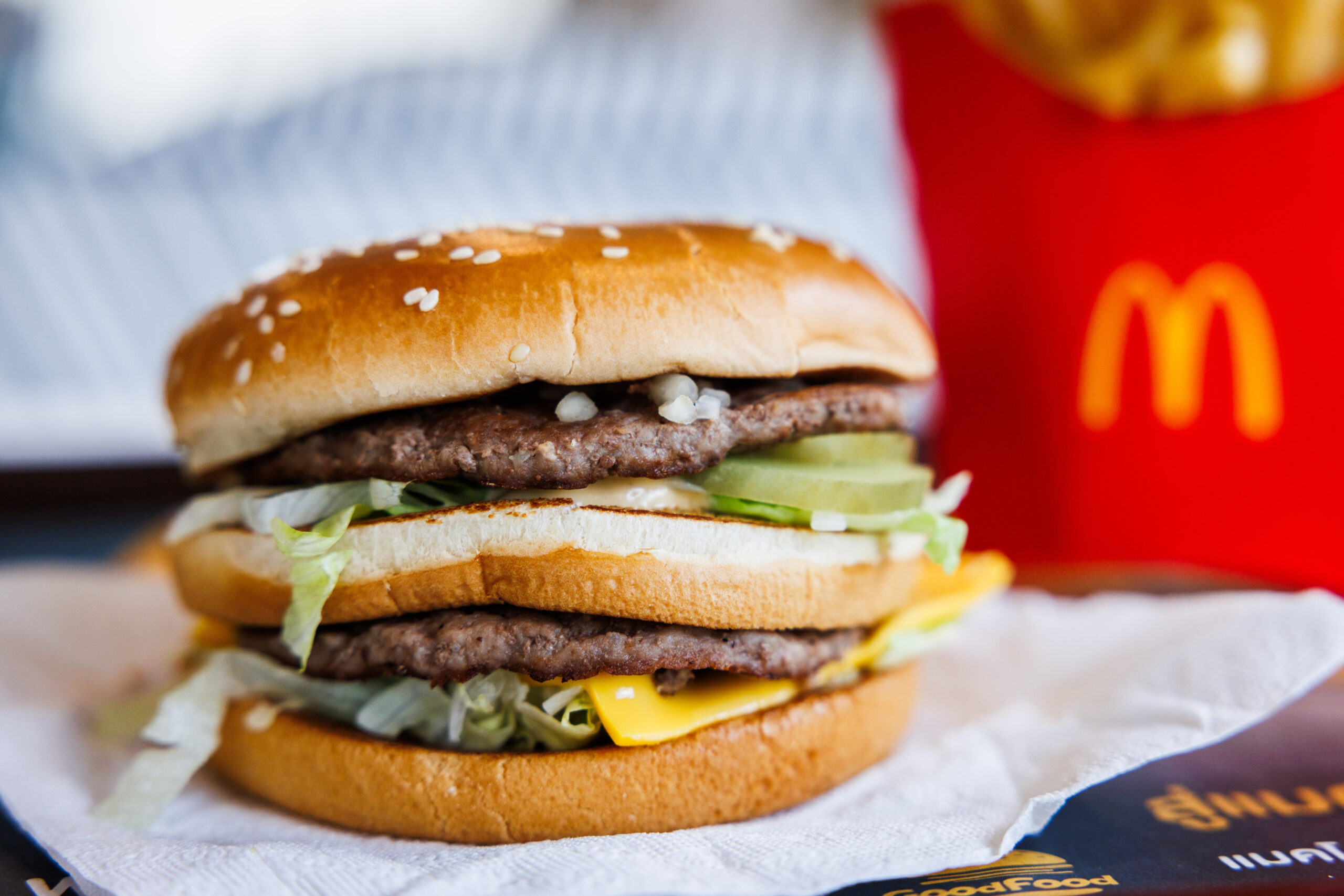
McDonald’s is reportedly utilizing an AI pricing engine to recommend prices for each of its restaurants worldwide.
Since at least 2019, McDonald’s has been using some form of AI pricing tool. In 2023, McDonald’s CEO Chris Kempczinski informed investors that the company had developed proprietary tools to evaluate pricing for each restaurant.
During an investor conference on Wednesday, McDonald’s stated that its AI pricing mechanism is “industry-leading,” with franchisees recognizing the necessity of offering low-priced menu items to attract low-income consumers.
The company aims to lower prices and maintain lower prices, especially for low-priced items and combos, by seeking the “optimal price” for each product in each store.
The AI pricing engine employs machine learning algorithms to analyze data from nearly 14,000 McDonald’s restaurants globally, processing millions of transactions daily. It assesses each store’s customers’ price sensitivity, estimates local customers’ willingness to pay, reviews menu prices of competitors like Wendy’s and Burger King, and generates the so-called “optimal price” recommended by the headquarters for each store’s menu item.
Three franchisees told Reuters that the engine has increased price discrepancies for the same product among different restaurants and even within different neighborhoods in the same area.
McDonald’s mobile app displayed price variations among different locations in September.
For example, a Big Mac in a McDonald’s company-owned store in Fresno, California, was priced at $5.69, while the same burger in another company-owned store two miles away was priced at $6.89, a 21% difference.
McDonald’s stated in a release that costs and other factors vary among stores, even those just a few miles apart may belong to different markets.
Lowering prices to attract more customers and boost sales can increase overall profits for the company, as the headquarters derives most of its revenue from a certain percentage of franchisees’ total income, independent of individual store profit margins.
In contrast, franchisees have more incentive to raise prices to offset rising wages, rents, and other food costs. According to the National Restaurant Association, these costs have increased by 36% since 2019.
Some franchisees indicate that during periods of inflation, the algorithm recommended significant price increases, but in recent months, it has suggested more conservative pricing and even some decreases, leading to friction between franchisees and the corporate headquarters.
McDonald’s stated that franchisees have the freedom to set prices.
The company described its pricing portal as “a tool, not a mandate, designed to offer specific recommendations to restaurants, assist franchisees in creating value for customers, and make sound business decisions.”
An internal communication sent to franchisees in January this year indicated that McDonald’s began requiring franchisees to have “constructive engagement” with approved pricing consultants and tools as part of its new business standards.
Company documents reveal that McDonald’s dispatches AI pricing guidelines to franchisees at least three times a year.
A June document for franchisees detailed instances where franchisees deviated from recommended pricing. Five store owners told Reuters that pressure from the corporate office mandated them to price according to the AI pricing tool.
A former franchisee mentioned she did not feel obliged to accept these prices, while five other franchisees described various corporate pressures to adhere to the suggested pricing.
Former store owner Karen King, who retired from the franchise system last summer, and other franchisees mentioned high-level discussions regarding price issues when deviating from recommended prices. King stated, “You don’t have much choice anymore on pricing.”
Although the AI pricing engine advocates more conservative pricing strategies to attract consumers, data analytics firm Placer.ai estimates that foot traffic at U.S. McDonald’s locations has declined each full month since March compared to the same period last year.
A deeper integration of AI pricing by McDonald’s could carry regulatory and reputational risks. Other consumer goods companies faced strong public backlash after being exposed for using algorithms to implement different pricing for the same product.
Following a revelation of AI tool usage in a survey last December, Instacart ceased using the tool in limited tests. The tool displayed different grocery prices to different shoppers, sparking criticism from consumers and lawmakers.
Instacart clarified that the company would never use personal information to determine product prices.
Brooklyn resident Diane Bezucha voiced concerns, stating, “Understanding where the demand is and getting real-time feedback is beneficial for the company, but if this technology is only used to increase prices when demand rises, I, as a consumer, don’t see any benefit.”
As AI applications expand, U.S. courts and regulatory bodies are scrutinizing whether certain algorithmic pricing practices may facilitate illegal coordination among competitors, with franchisees occasionally seen as party to such practices.
(Adapted from reporting by Reuters)