
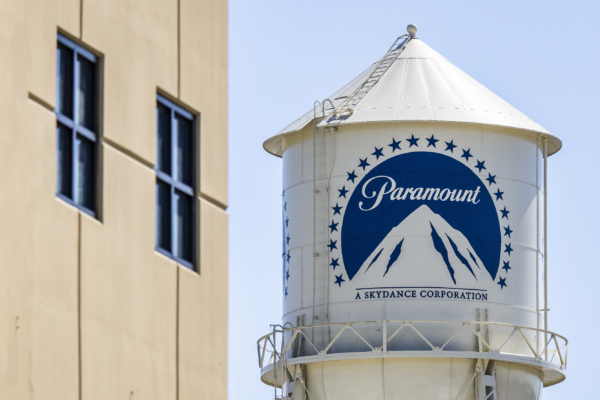
Paramount Skydance, facing increasingly tough antitrust scrutiny due to its acquisition of Warner Bros. Discovery, may become the next prominent company to leave California.
The Chief Legal Officer of Paramount, Makan Delrahim, stated the company is “committed” to staying in California, but also noted, “You owe a duty to your shareholders.”
“It’s essential to examine the business environment and consider what’s most beneficial for the community and the company itself,” Delrahim said at the “California Agenda: Sacramento Summit” hosted by Politico on Wednesday.
In recent years, numerous American companies, including SpaceX, social media platform X, Chevron, and Oracle, have relocated their headquarters or operations from California to other states. KB Home, Public Storage, Yamaha Motor, and D-Wave Quantum are among the latest companies to move out.
Paramount triumphed over Netflix this spring, acquiring Warner Bros. Discovery for $110 billion and receiving approval from Warner Bros. shareholders in April.
However, facing lawsuits filed by attorneys general from California and 11 other states to block the acquisition, Paramount decided to halt the process last month. Court documents show both parties agreed to pause the merger until June 2027 or until a judge makes a ruling. The trial is scheduled for March next year.
The states filing suit argue that if Paramount acquires Warner Bros., it will gain excessive control over the news, entertainment, and sports media industries.
New York Attorney General Jane Leroux stated in a July 24th release that Paramount’s “illegal acquisition” is a bad deal for everyone relying on a competitive entertainment industry. Pausing the merger during the litigation is a “key victory to protect the film and TV industry.”
Paramount’s Chairman and CEO, David Ellison, countered the accusations in a written statement, denying attempts to influence the newsroom editors to conform to his views.
“I believe this fight is not about market share,” Ellison wrote. “Behind the legal documents and press releases, there is a more straightforward concern – news. It’s about whether I can be trusted to be the guardian of CNN under Warner. Speculations are rife about my political stance, allegiances, and intentions.”
Delrahim mentioned that these legal actions are harming job opportunities. “This merger will actually bring benefits – not only to California but to the entire United States,” he said. He hopes to hear opinions from California lawmakers concerned about employment on the merger case.
As of the end of last year, Paramount employed about 17,600 employees.
California Attorney General Rob Bonta commented on reports that “Paramount plans to leave California if the lawsuit does not settle,” calling it “blackmail” in a post on social media this Tuesday.
Despite regulatory hurdles, Paramount’s acquisition has obtained approval from markets in the UK, EU, and other overseas markets.
Warner Bros. also has confidence in a successful completion of the Paramount acquisition despite legal challenges, expecting the company’s performance to exceed planned expectations. Previous reports indicated that Paramount plans to release 30 films annually after the merger.
Insiders revealed that Paramount’s board has approved plans to relocate from California as early as October 1, starting with headquarters employees, with the majority of positions moving to new locations within five years. Potential new locations being considered include Tennessee, Georgia, Texas, and another state.
Paramount’s stock price rose by about 0.6% in the middle of this week, but it has dropped over 28% year-to-date, trading below $10. Market analyst Gary Gambino expressed confidence in the successful completion of the merger but noted the real challenge lies in Paramount achieving its $6 billion synergies target.
“Both companies are facing difficulties operating independently, with the decline in their TV network business almost offsetting streaming revenue growth,” he stated in a research report. “If synergies cannot be achieved, the current stock price may be reasonable; however, if all $6 billion in synergies are realized, the stock value could reach nearly $23.”
Kimberly Hayek and Bill Pan also contributed to this article.