
Foodborne illnesses are not uncommon, and if you were to ask those who investigate such diseases, you would find that their list of foods they never eat is both short and surprising.
Most experts will tell you that there is a certain level of risk associated with any food, and the real trick is in determining which risks are worth taking. According to a report in Time magazine, former Deputy Commissioner for Food Policy and Response at the Food and Drug Administration (FDA), Frank Yiannas, stated that he does not simply categorize food as “good” or “bad.” Instead, he takes a method he calls “quantitative risk assessment” to everything, weighing the calculations.
Despite years of investigating disease outbreaks and even personal experiences changing their lives due to foodborne illnesses, these food safety experts have identified certain foods that are not worth the risk. Some of the foods they avoid may seem obvious, while others might be sitting in your own refrigerator.
Here are some of the foods that food safety experts repeatedly mention as foods they never eat:
There is almost no dispute about this.
Food safety lawyer Bill Marler has been litigating cases related to outbreaks of foodborne illnesses for decades. He has represented families whose children have died, suffered kidney damage, or experienced neurological complications due to consuming raw milk and believes it is simply not worth the risk.
“We have such good technology like pasteurization,” he said.
“The risk is very high.” Barbara Kowalcyk, Director of Food Safety and Nutrition Security Institute at George Washington University, also avoids consuming raw milk and cheese made from raw milk. “We have known this for decades,” she said.
Darin Detwiler, Associate Professor of Food Policy at Northeastern University and author of “Food Safety: Past, Present, and Predictions,” stated that if he had to list the highest-risk produce in the grocery store, he would immediately point out cantaloupe.
“You can’t thoroughly clean the skin of cantaloupe,” Detwiler said. He explained that once you cut the rough rind, any contaminants on the surface will be directly introduced into the flesh.
If you insist on eating it, his advice is to consume it immediately after cutting – cut cantaloupe should not be left at room temperature for more than two hours. Furthermore, he also warns of a telltale sign: a white powdery substance on the surface of cut cantaloupe left out for too long. That is not sugar.
“That is visible, massive microbial growth,” he said. He himself does not eat this fruit at all.
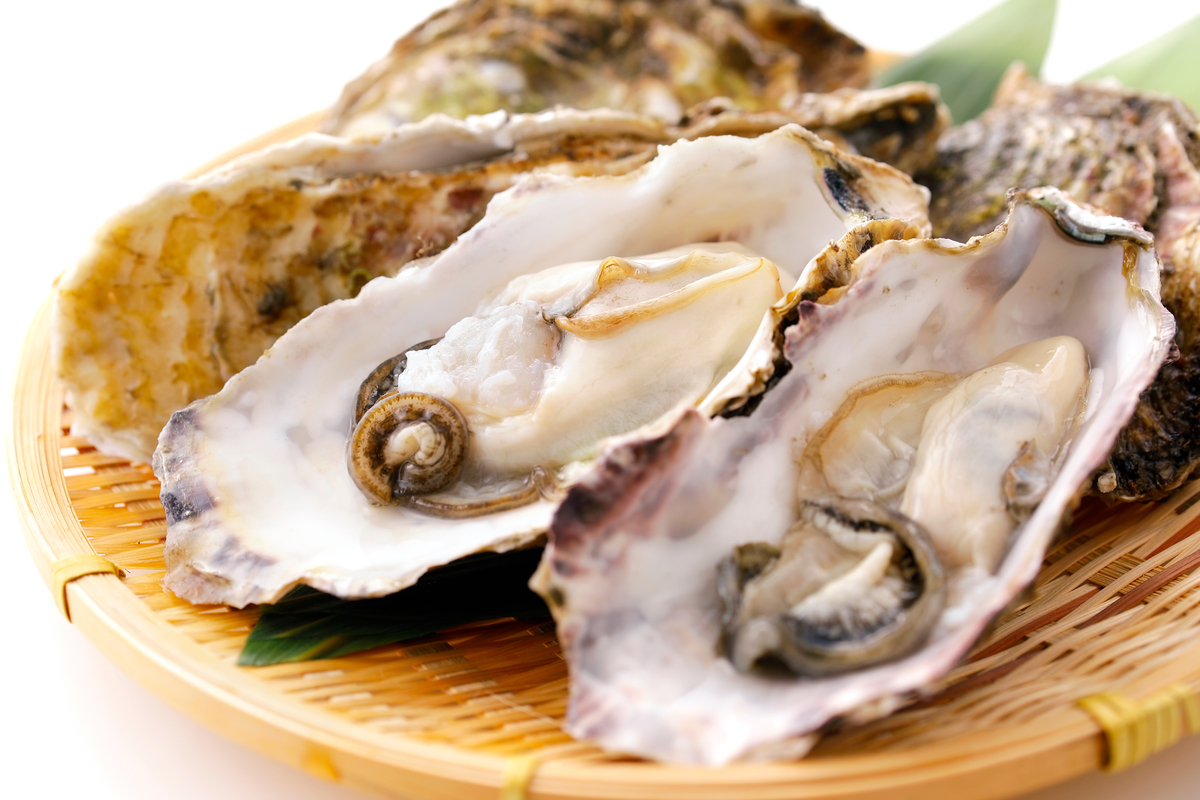
Raw oysters appear on many experts’ “do not eat” lists. Marler explained that shellfish are filter-feeders – they filter water through their bodies and consume any contaminated substances in the water. If the water is contaminated, then the oysters you eat are likely contaminated too.
Detwiler ranks raw oysters as one of his top three foods to avoid, a sentiment shared by Marler. Detwiler points out that besides issues with contaminated water sources, raw oysters are also linked to frequent disease outbreaks and are particularly challenging to trace back once problems arise.
Infectious disease physician and Chairman of Parasites Without Borders, Daniel Griffin, Ph.D., does not completely refuse to eat sushi. He will eat it but only after careful inspection. Some fish parasites are visible to the naked eye: you can see long, red worm-like organisms in light-colored fish meat.
“If you search ‘fish with parasites’ on Google, you might lose your appetite,” he said. He meticulously inspects each piece of fish before consuming it, and he avoids sushi rolls altogether. “I don’t want to eat sushi rolls that hide things inside,” he said.
Jill Roberts, molecular epidemiologist and professor at the University of South Florida College of Public Health, stated that pork is a meat she is particularly cautious about. She avoids thick cuts of pork like pork tenderloin because they are difficult to cook thoroughly.
“All I can think of is the tapeworm,” she said. This parasite is increasingly being linked to consuming undercooked pork.
“So I absolutely steer clear of that kind of meat,” she said.
Sprouts are another food that Kowalcyk avoids. She mentioned that sprouts are associated with a range of foodborne illness outbreaks, “and there really isn’t a good way to thoroughly clean them.”
This is because contamination often occurs before the sprouts even begin to grow: bacteria can be present in the seeds themselves, and the warm, moist environment necessary for sprout growth is also an ideal condition for bacterial proliferation. Simply rinsing with water is not enough to reliably remove bacteria. Although cooking can make sprouts safer, she pointed out that this would compromise the crisp texture that makes sprouts appealing.
Pre-cut fruits and vegetables are also foods that food safety experts avoid. Marler believes that while a box of pre-cut cantaloupe or a bag of shredded carrots may be convenient, it is not worth giving up control over the food handling process. “You don’t know how long they have been sitting there, nor do you know if the utensils, cutting boards, or hands that touch them are clean,” he said.
Kowalcyk agrees. She’d rather buy whole produce and cut it herself than entrust this work to someone else.
Although eggs are much safer now than they were 20 years ago, Marler still does not eat raw eggs. He noted that most eggs sold in grocery stores are not pasteurized.
A medium-rare steak and a medium-rare hamburger may look similar, but Griffin pointed out that from a food safety perspective, they are quite different. With a steak, bacteria is usually only on the surface, which can be killed during cooking. However, once the same meat is ground into hamburger patties, bacteria mixes into every corner of the patty.
“The original bacterial contamination – whether E. coli or fecal contamination – is now mixed deep within the patty,” he said.
For this reason, Griffin always orders his hamburgers well-done.