
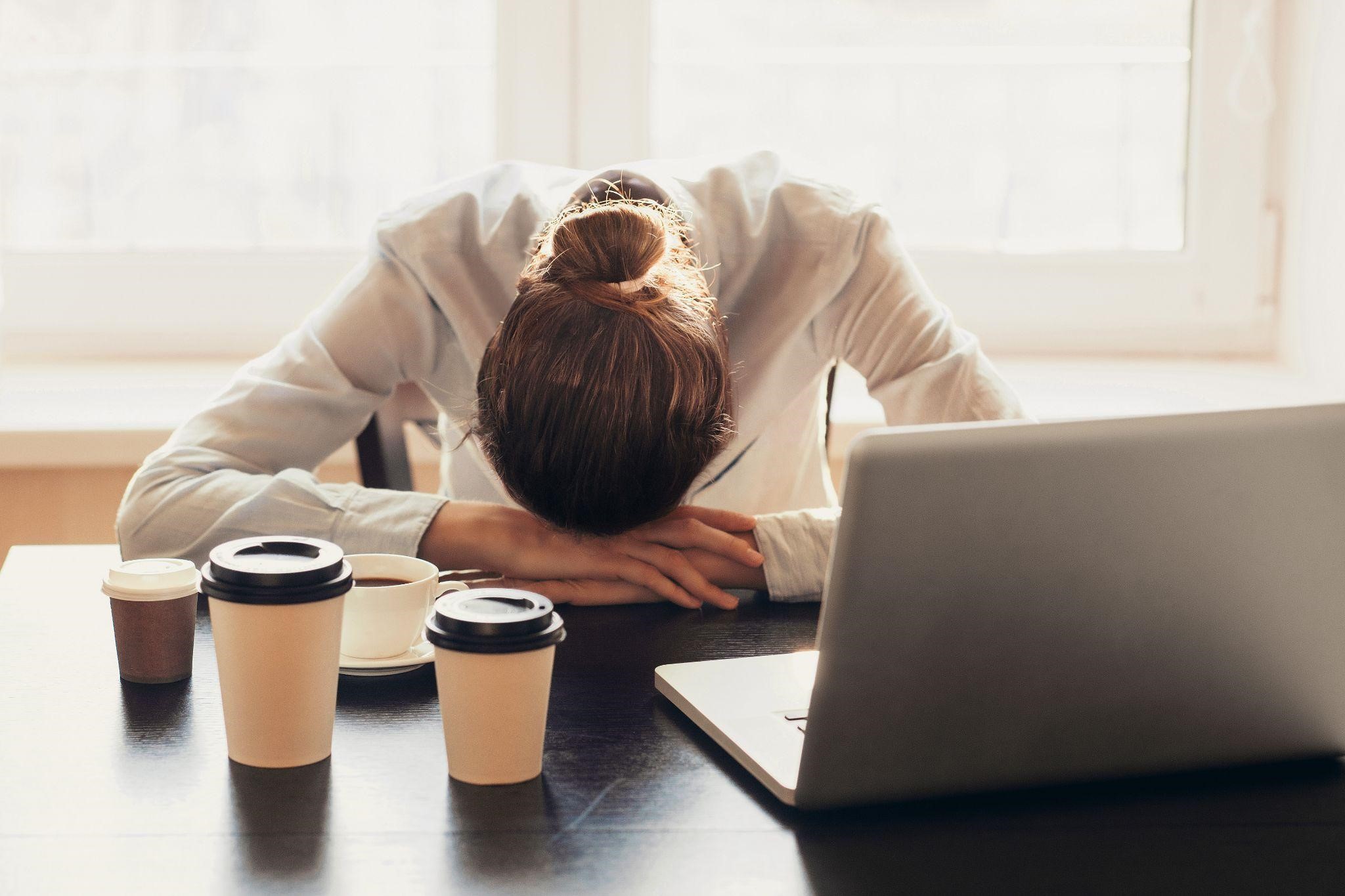
Taking a brief nap at noon has become a common practice for many people, as it helps them feel more refreshed and alert for the afternoon work or study. Apart from rejuvenating the mind, napping actually offers various health benefits. So, how should one nap properly? Let’s see what the experts have to say.
According to a report from the American website “Prevention”, taking a nap has been proven to be beneficial for health. Studies have shown that regardless of the amount of sleep at night, a short nap during the day is associated with better overall brain health. These benefits exist for both habitual nappers and occasional nappers.
Sara Mednick, a cognitive science professor at the University of California, Irvine, stated, “The cognitive benefits of napping are equal to those produced by a full night’s sleep. After a nap, people perform better in language, spatial awareness, working memory, creativity, perception, and attention.”
Raj Dasgupta, a sleep expert and associate professor of clinical medicine at Cedars-Sinai Medical Center in California, mentioned that taking a brief nap when feeling extremely tired can help the body and cognitive functions recover. This aids in clearing the mind, enhancing focus and short-term memory, and improving mood.
Dasgupta also explained that another benefit of a short nap is reducing the levels of adenosine, a chemical in the brain that accumulates during wakefulness and leads to feelings of fatigue.
However, napping at the wrong time or for too long may disrupt the normal sleep cycle and leave one feeling groggy and disoriented upon waking up. For individuals prone to insomnia, these symptoms may worsen.
The ideal nap time should be between 1 pm and 3 pm, when most people naturally experience a dip in energy levels. The nap duration should not exceed 30 minutes, with 10 to 20 minutes being optimal.
It’s advised not to nap in bed, as this can blur the line between nap and nighttime sleep, especially for those struggling with insomnia. Find a quiet and cool place to nap, such as a couch.
Regardless of whether you have a napping routine, ensuring an adequate and high-quality nightly sleep is crucial for maintaining overall health. Both the American Academy of Sleep Medicine and the Sleep Research Society recommend sleeping for at least 7 hours each night.
Various nap methods have been circulating online, including the NASA nap and the Navy SEAL nap techniques. Are these methods worth trying?
The NASA nap method mimics how astronauts nap during missions and lasts for 26 minutes. Since it aligns with the recommendations of sleep experts due to its short duration, this method should be effective.
The Navy SEAL nap method, shared by former Navy SEAL members on social media, involves an 8-minute nap where one elevates their feet above heart level (such as lying on the floor with legs resting on a sofa).
The 8-minute duration falls within the range recommended by sleep experts, and the position of elevating the feet may help promote blood circulation throughout the body (including the heart and brain), potentially enhancing alertness upon waking.
If you need a quick pick-me-up but don’t have time for a nap, or find it hard to nap during the day, you can try some methods to combat afternoon fatigue, like drinking water, having a cup of green tea, taking a short walk outside, listening to upbeat music, or doing some stretching exercises.
Dasgupta emphasized that the ability to nap is influenced by both physiological factors and personal habits. Some individuals, even when fatigued, may find it difficult to nap during the day. If you’re not accustomed to napping, ensure to prioritize sufficient nighttime sleep.