
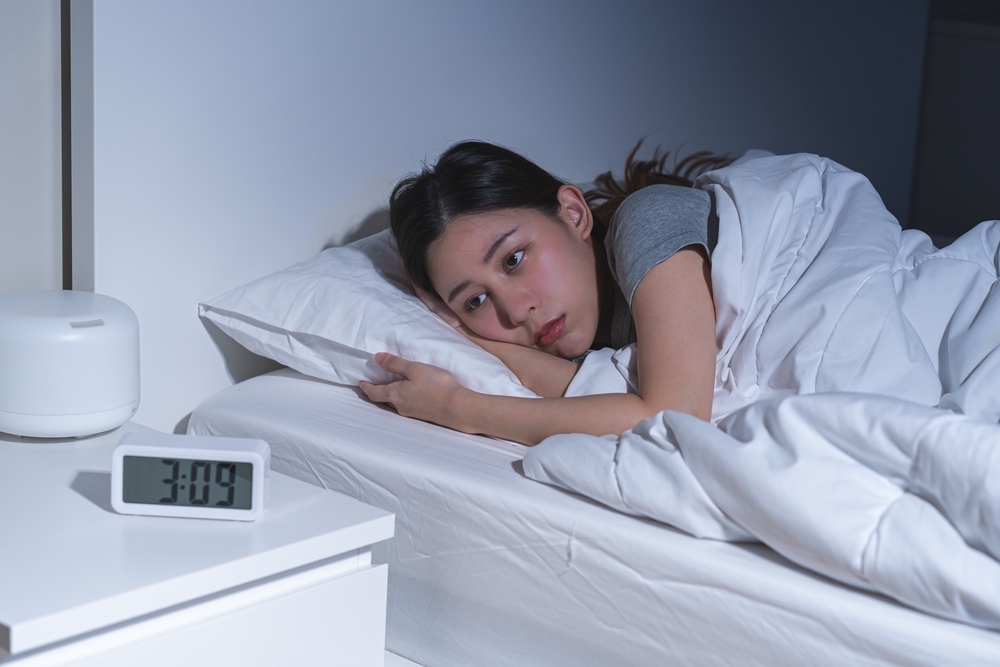
At around two or three in the morning, suddenly waking up and tossing and turning unable to sleep, or waking up in the middle of the night and feeling overwhelmed with thoughts upon returning from the bathroom, are common experiences for many people. However, what should you do if you frequently encounter this issue? Here are some suggestions provided by experts.
Dr. Jemma King, author of the book “Sleep First: Sleep Smarter, Think Sharper, Feel Better,” mentioned to The Age that waking up at two or three in the morning is one of the most common issues reported by participants in her sleep workshops.
She pointed out that the interaction between stress hormones and the natural sleep cycle causes us to wake up at that time, easily leading to negative and despairing thoughts.
“During the late night hours, you enter the rapid eye movement (REM) sleep stage, which is crucial for emotional processing and fear conditioning. REM sleep is essentially the brain replaying past events for you to learn from and digest,” she explained.
King likened the brain during REM sleep to a midnight librarian that categorizes memories, discards unnecessary content, and wakes you up when faced with stress that needs to be addressed.
While these instances of waking up may be unpleasant, King often advises clients to view waking up as a natural phenomenon.
“Our ancestors never slept through the night, waking up in the middle of the night is quite normal,” she said.
Sleep physiologist Stephanie Romiszewski, who has treated numerous patients including elite athletes and top executives, mentioned in an interview on The Diary Of A CEO podcast that people seek her out not because of serious illnesses or nearing death due to insomnia, but rather due to extreme anxiety and worry caused by poor sleep quality. They fear that something bad will happen to them, leading them to be in a constant state of tension and despair.
“What drives people to seek help for their sleep issues is this fear. In reality, what I’m trying to alleviate is this fear, not just fixing their sleep,” she said.
“This is one hundred percent a mindset issue. Most of the time, I’m not teaching people how to fall asleep but working to help them change this mindset.”
Romiszewski admitted that sleep and a consistent routine are vital for health but mentioned that people do not necessarily need to sleep a full eight hours every night.
If over the course of a month, one night you sleep for only 6 hours, another night for 7.5 hours, and following nights vary slightly, as long as you maintain relative stability, you can sleep well about 80% of the time, providing your body with enough sleep opportunities. Romiszewski emphasized that it’s okay, the body will self-regulate.
For those who find themselves unable to sleep even well into the night, her advice is to “stay up until you feel sleepy and then sleep, don’t worry. Enjoy and relax, do things you truly enjoy but may not have time for during the day.”
She believes that having a rigid bedtime every night is a bad idea as it can worsen insomnia. People lying in bed tossing and turning in the dark will only heighten stress hormones and accelerate heart rate.
“The only definition of tiredness is that you can fall asleep within minutes of closing your eyes.” She added, “If you don’t feel this at night, don’t worry, allow yourself to sleep later because you cannot control everything that happens during the day, and there are too many factors that affect sleep, which you can never entirely control.”
For those who frequently wake up in the early morning hours, her suggestion is not to lie in bed feeling anxious about not being able to sleep. Instead, get up and do something you truly enjoy that relaxes your mind and body. It is valuable time spent alone with yourself without any interruptions. However, make sure to wake up on time the next morning, and don’t oversleep.
If possible, go out and have a fulfilling day, exercise, meet friends, soak up some sun, shift your focus to other things, and only go to bed when you are genuinely tired.
“When this situation occurs again, follow the same routine the next night, and I guarantee you will eventually overcome this condition.”
She emphasized that while you can’t control your bedtime, you can control when you wake up. Establishing a consistent wake-up time each day and maintaining good morning habits is what people should focus on.
“I almost always give myself a seven to eight-hour ‘sleep opportunity’ every night, but that doesn’t mean that even when I’m not sleepy, I’ll force myself into a dark room to sleep. I just know that the opportunity is there, I have a bedroom, a place I truly want to sleep in, available to me during that time. However, I won’t sleep outside of that time frame, that’s the key: you can decide when not to sleep but not when to fall asleep. By doing this, you’ll force your body into a good, regular cycle. Once you’ve mastered the method, it’s incredibly simple.”
Romiszewski believes that the quality of sleep is more important than the quantity, so it’s better to sleep when truly drowsy, even if it’s a short, deep sleep of four to five hours, rather than lying in bed for eight hours with little deep sleep most of the time.
“I’d rather not sleep than have a poor sleep because I know my body will accumulate a strong need for sleep and help me have a good rest later.”
She pointed out that feeling drowsy during the day is not a bad thing, contrary to common belief. “I don’t mind being a bit drowsy… being drowsy is a good thing for you. Why do we teach people to think being drowsy is bad? You need to be drowsy to fall asleep.”
“If you haven’t slept well, let your sleep time be a bit shorter, let drowsiness naturally build up, as it is actually beneficial for you.”
As mentioned at the beginning of the article, stress hormones can cause you to wake up in the early hours of the morning, so taking measures in daily life to lower the levels of these hormones may help us achieve better sleep.
Performance coach Jess Spendlove, whose clients include top athletes, military personnel, and corporate executives, suggested that one of the best measures we can take to improve our sleep is to schedule several one to three-minute “breathing moments” each day, whether it’s taking a walk, brewing herbal tea, or practicing breathing exercises.
She described it as “brain rest,” deliberate moments throughout the day away from electronic devices and caffeine, free of stimuli.
“Most people when they rest, tend to grab a cup of coffee or scroll through social media, but this brain rest requires you to consciously distance yourself from all sources of stimulation. These small moments help you relax your mind and body, reduce stress responses, which not only aids in falling asleep but also helps maintain sleep, with significant effects.”
Spendlove stated that these rest periods can not only reduce late-night overthinking but also help us combat fatigue and weariness.
“The preparation for a good night’s sleep begins before you lay down. I often hear people say, ‘I think about all sorts of things when I walk,’ and I say, ‘That’s great! If you’re thinking about those things then, you probably won’t be at 2 a.m.'”
Good sleep hygiene is crucial for overall health and wellbeing. By implementing these strategies and reframing our mindset towards sleep, it is possible to improve sleep quality and enjoy a restful night’s sleep.