
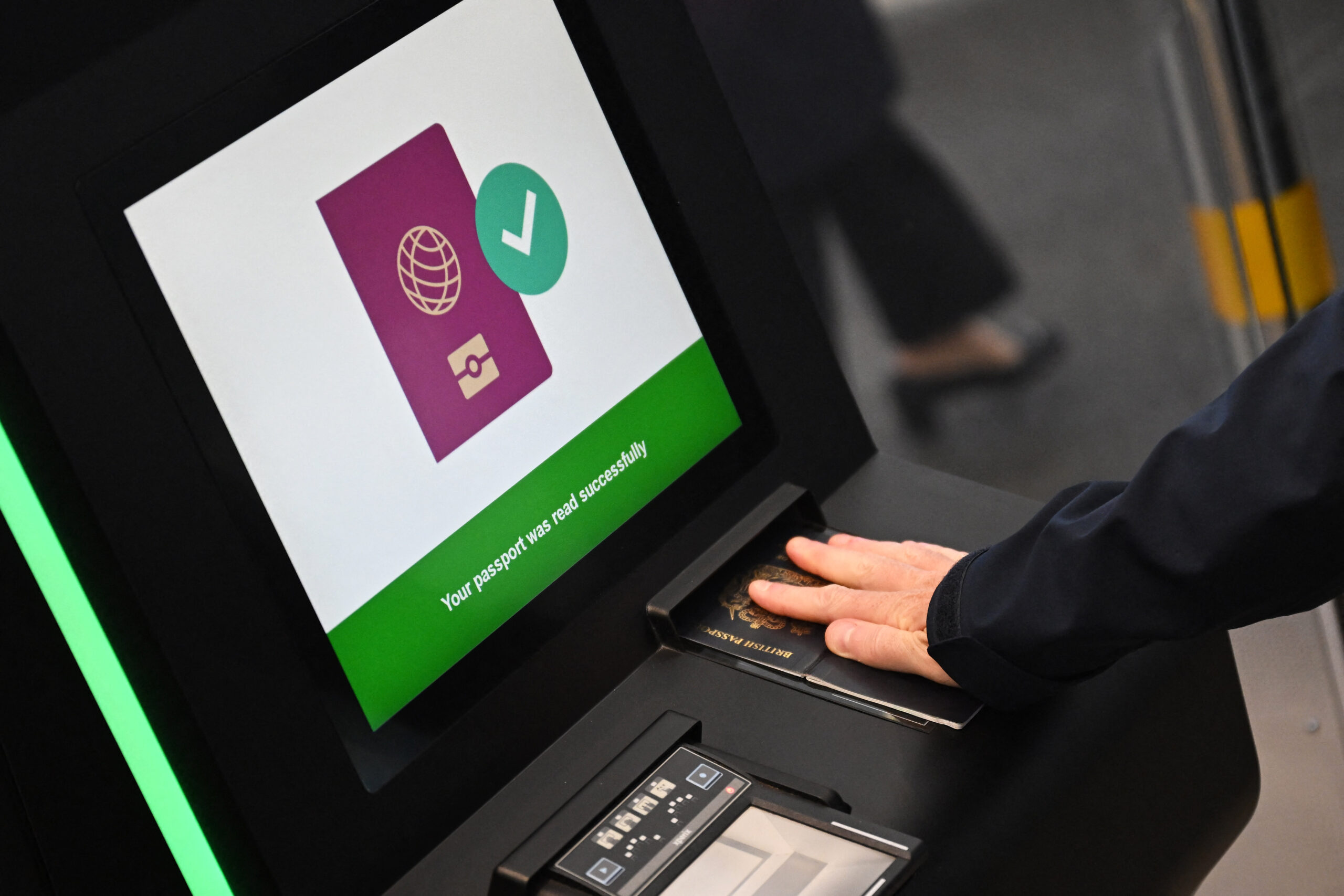
The European Union’s new electronic entry and exit system (EES) was designed to replace traditional passport stamps with facial recognition and fingerprint collection, aiming to enhance border clearance efficiency. However, the actual performance of this system during this summer’s peak travel season has left many non-EU travelers frustrated, with varying wait times ranging from seamless smooth sailing to hours-long delays at different airports or even within the same journey, purely dependent on luck on any given day.
“Passing through the border is like rolling the dice. Sometimes you breeze through, but other times you end up stuck in line for hours,” described Dawn Gilbertson from The Wall Street Journal after experiencing the system firsthand.
At Lisbon International Airport in Portugal, following previous painful experiences of congested border checks, ground staff and hotel workers advised travelers to arrive at the airport three to four hours in advance. However, upon arrival, passengers found no waiting lines and had to kill time idly at the gate for two hours.
On the other hand, project manager Jason Wageman from Washington state wasn’t as fortunate. While transiting at Amsterdam Schiphol Airport with his wife, her self-check-in went smoothly while his machine failed to verify, forcing him to join a long manual verification queue. Staff even had to prioritize passengers about to miss their flights.
“What really caused anxiety was almost missing the flight,” Wageman said, as they barely made it to the boarding gate three hours later, having spent the entire layover time on passport checks.
The EES system encountered various bottlenecks in operation, such as:
1. Unfamiliarity with machine operation: Some passengers were unsure how to correctly scan their passports on the self-service kiosks, leading to extended processing times and queue build-ups.
2. Biometric recognition malfunctions: Technical failures and shortage of manpower sometimes occurred, with instances of elderly passengers’ fingerprints not being recognized by the system.
3. Varied processes at different sites: Some passengers were not fingerprinted when using the priority lane at Paris airport and even when boarding the Eurostar train to London the next day, only completing fingerprint registration at the border counter upon arrival in Lisbon.
During peak queue times, some airlines and major European airports requested the European Commission to relax the new regulations during the summer peak season. Although this request was denied, some airports still adopt measures like “temporary closure of EES kiosks, reverting to manual verification” during peak hours to manage passenger flow.
As the EES system continues to adjust, experts and seasoned travelers offer the following recommendations for those planning to visit the Schengen Area in the near future:
1. Allow ample buffer time: When entering or leaving Schengen countries, allocate sufficient time for passport checks, especially for itineraries with connecting flights, consider extending layover intervals.
2. Plan the first and last day wisely: Avoid tight arrangements for airport transfers or activities on the first day; when departing, complete boarding procedures and security early and head to the passport check area promptly.
3. Understand EES operational mechanisms in advance: EES does not require advance online application (unlike the UK’s new entry rules), passengers can familiarize themselves with self-service kiosk operation procedures through official EU videos beforehand.
4. Take note of companion restrictions: Children under 12 are not eligible for automatic biometric recognition systems; accompanying children or those with non-chip passports require using a dedicated channel, which may entail longer queue times, so check if the airport offers family priority lanes.