
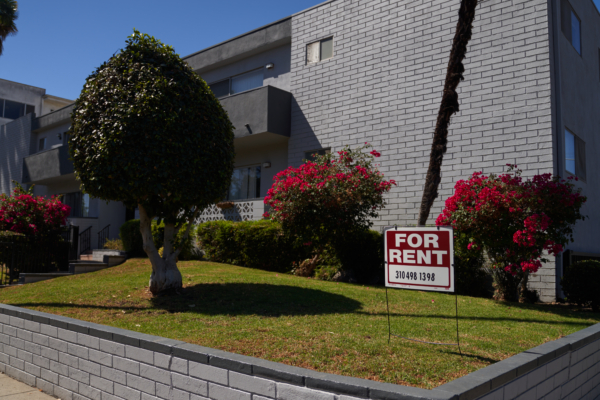
In a recent report released in the real estate market, good news has come for tenant families: in the second quarter of this year, apartment rents in Los Angeles County have dropped to the lowest point in nearly five years.
According to data from Realtor.com, the median rent in Los Angeles County for the months of April to June this year was $2,603, a 3.4% decrease compared to the same period last year (a decrease of $91), marking the lowest median since the end of 2021. Compared to the historical peak of median rents in the second quarter of 2022, there has been a 9.6% decrease, allowing the average tenant to save $276 per month. In Los Angeles City, the median rent for the second quarter of this year was $2,742, a 2% decrease year over year.
The report indicates that the median rent for apartments with two bedrooms or less in Los Angeles County decreased by 3.6% year-on-year to $2,255, a significant drop of 11.8% compared to the peak in 2022. For apartments with three bedrooms or more, the median rent also decreased by 3% year-on-year to $3,441, which is 15.5% lower than the peak in 2022.
The August rental report for Los Angeles released by the online apartment trading platform Apartment List also notes that in the past 12 months, apartment rents in Los Angeles City have cumulatively decreased by 1.4%; however, when looking at just the first seven months of this year, rents have seen a slight increase of 1.5%.
This report attributes the decline in rents to the increase in multi-family housing construction and Accessory Dwelling Units (ADUs), which has led to an increase in rental housing supply, especially for small apartments.
According to data from Kidder Mathews, the largest independent commercial real estate company in the Western United States, over 15,000 residential units were completed in Los Angeles County last year, an 18% increase from 12,752 units in 2024, making it the second highest completions year in the past decade.
Moreover, data from the California Department of Finance shows that the population of Los Angeles County decreased by 28,000 last year. The combination of a decreasing population and an increase in housing supply led to a rise in the apartment vacancy rate to 5.3% in December, the highest since April 2021. This shift in supply and demand dynamics has given tenants more bargaining power.
Recently, US Treasury Secretary Scott Bessent mentioned in an interview with “Real America’s Voice,” “People don’t want to admit it: wherever immigration and Immigration and Customs Enforcement (ICE) go, rent goes down.” He added, “When illegal immigration reaches 10 million, 15 million, or even 25 million, housing supply simply cannot keep up, naturally leading to soaring rents.”
According to federal immigration data, ICE arrested over 14,000 individuals in the greater Los Angeles area last year, significantly higher than the 4,681 arrests in 2024.
Despite the slight decline in rents, housing affordability remains a significant challenge for many ordinary families, especially for young professionals entering the workforce.
According to Realtor.com, the monthly rent for a typical studio apartment in Los Angeles is still high at $2,004. Among the top 50 metropolitan areas in the United States, the rent-to-income ratio for recent graduates in Los Angeles in 2026 remains significantly high.
According to salary data for 2026 graduates and regional cost adjustments provided by the National Association of Colleges and Employers (NACE) in Los Angeles County:
– Computer science graduates earn an annual income of about $94,000, with housing costs accounting for approximately 25.7% of their income (compared to the national average of 20.9%).
– Business graduates earn around $79,000 annually, with housing costs representing about 30.4% of their income (compared to the national average of 24.8%).
– Social science graduates earn approximately $76,000 annually, with housing costs making up about 31.6% of their income (compared to the national average of 25.8%).
Apart from recent graduates, many low-income families also face challenges in the rental housing market. According to a report from Data USA, out of the 9.69 million inhabitants in Los Angeles County in 2025, around 1.33 million people fall below the federal poverty line, accounting for approximately 13.7% of the total population. They are unable to afford market-rate apartments and can only seek out housing with rent control measures in place.