
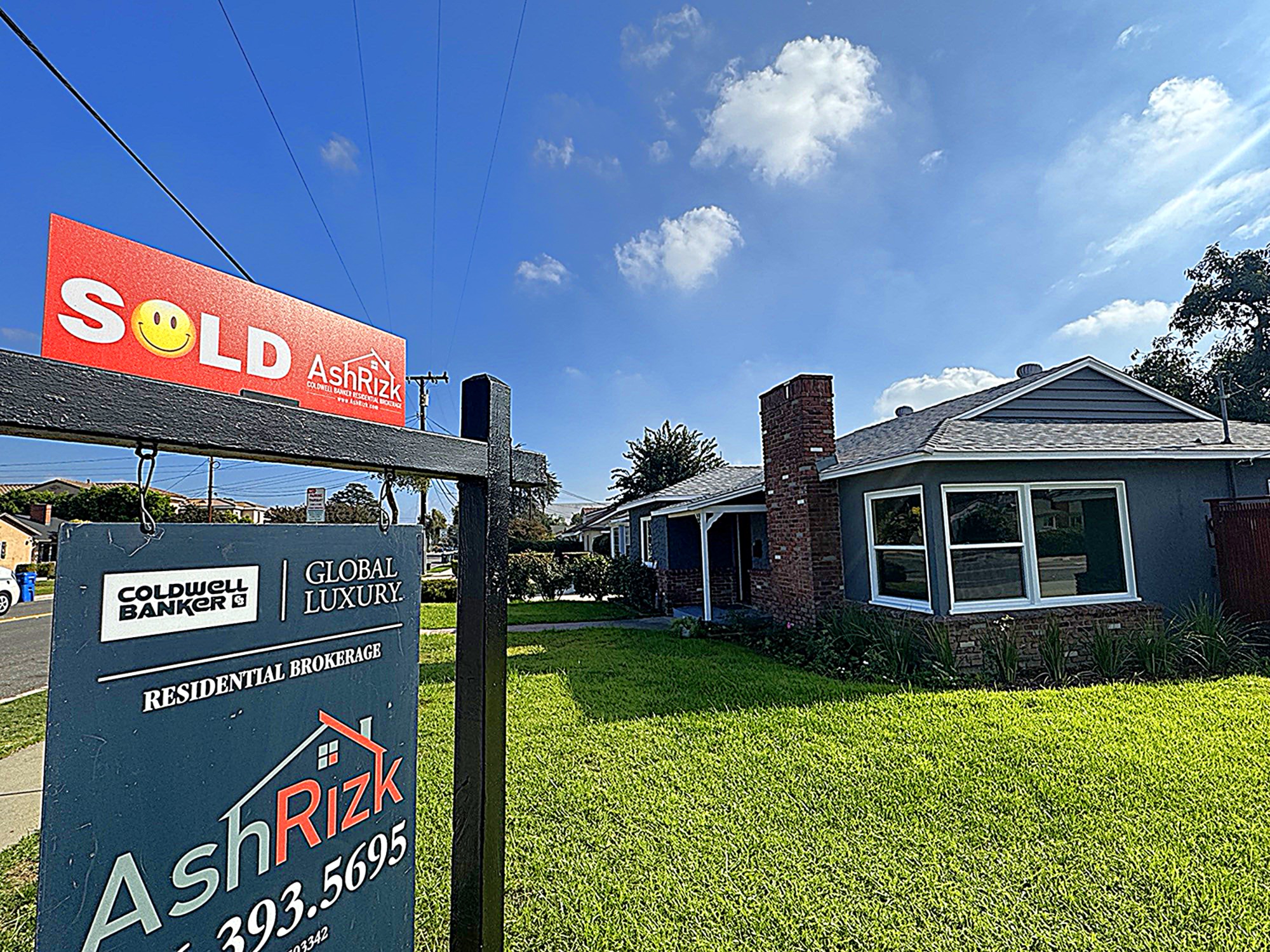
According to the latest monthly data from the real estate company Redfin, in the 50 largest real estate markets in the United States, 38 markets have homes selling below the asking price. For many buyers, this situation means there is more room for negotiation, but the caveat is whether they can afford the historically high prices now.
The regions with the largest price reductions are primarily concentrated in Florida and Texas. In places like Miami and West Palm Beach in Florida, homes are selling on average nearly 5% below the asking price. In most southern areas, buyers’ actual closing prices in June (the latest month with metropolitan area sales data from Redfin) are typically 2% to 3% lower than the asking prices.
The top 10 markets with the largest difference in average closing price below the list price are:
– Miami, Florida: 4.66%
– West Palm Beach, Florida: 4.59%
– Houston, Texas: 3.53%
– Austin, Texas: 3.17%
– Tampa, Florida: 3.07%
– Dallas, Texas: 2.99%
– San Antonio, Texas: 2.99%
– Jacksonville, Florida: 2.76%
– Pittsburgh, Pennsylvania: 2.60%
– Orlando, Florida: 2.48%
In comparison, average closing prices in San Francisco, New York, and Boston are slightly higher than the listing prices.
This analysis report covers the 50 largest real estate markets in the US with June data on the “sale-to-list ratio”. This trend is not exclusive to large metropolitan areas. According to Redfin data, nationwide, only about 25% of homes are selling above the asking price, a proportion lower than the peak of around 55% during the pandemic in 2022.
Redfin’s chief economist Daryl Fairweather stated that one of the reasons more homes are selling below the asking price is that rising borrowing costs are reducing buyers’ purchasing power, while sellers are adjusting their price expectations at a slower pace.
Fairweather said, “As soon as mortgage rates rise, buyers feel it immediately because it means the cost of buying a home has gone up.” “Sellers take a while to realize, ‘Hey, maybe I need to price it a bit lower.'”
However, for many homeowners, lowering their asking price is not easy. Fairweather pointed out that some who bought near the peak of the market in 2022 may have little room for discounting after deducting commissions and other selling costs to make a profit.
Fairweather said that the markets in Florida and Texas with the largest price reductions also experienced a housing construction boom during and after the pandemic, providing buyers with more options. In these metropolitan areas, rising premiums and property taxes have also increased the cost of homeownership, narrowing the pool of buyers and creating greater bargaining pressure on sellers.
However, the size of negotiating space still depends on specific market conditions and property situations for buyers.
“In communities with limited inventory and strong demand, reasonably priced homes can still sell quickly and often receive multiple offers,” said Bill Kowalczuk, a real estate agent at Coldwell Banker Warburg in New York City. “What we’re really seeing is a more balanced market where pricing strategy becomes crucial again.”
Fairweather indicates that a more balanced real estate market compared to recent years offers buyers more negotiating opportunities.
She recommends comparing actual closing prices with asking prices for homes in your area, known as the “sale-to-list ratio.” You can check this ratio on real estate listing websites in your local area or consult with your real estate agent. If homes in your area typically sell below the asking price, you may consider making an offer close to that common discount rate while still remaining competitive.
Buyers should also pay attention to the listing duration of properties. Even in quieter markets, newly listed properties can attract multiple buyer offers, while homes sitting on the market for weeks may have more room for negotiation. This holds true for properties that have already been discounted once or multiple times.
Moreover, negotiation doesn’t just involve the sale price. Buyers can also try to negotiate for sellers to cover closing costs or provide a subsidy for home repairs. Fairweather points out that an all-cash purchase can strengthen a buyer’s negotiating position, as these transactions are generally seen as more likely to proceed smoothly. Even with more room for negotiation, buyers should not automatically assume every seller is eager to make a deal.
“The biggest change I’ve observed is that buyers indeed have more leverage now compared to a few years ago, but it doesn’t mean they have absolute control,” said Jennifer Thayer, founder of the Jennifer Thayer Group in St. Petersburg, Florida. She noted that this situation is particularly evident in the luxury housing market: “Quality and reasonably priced properties can still sell smoothly, and some even sell quickly.”