
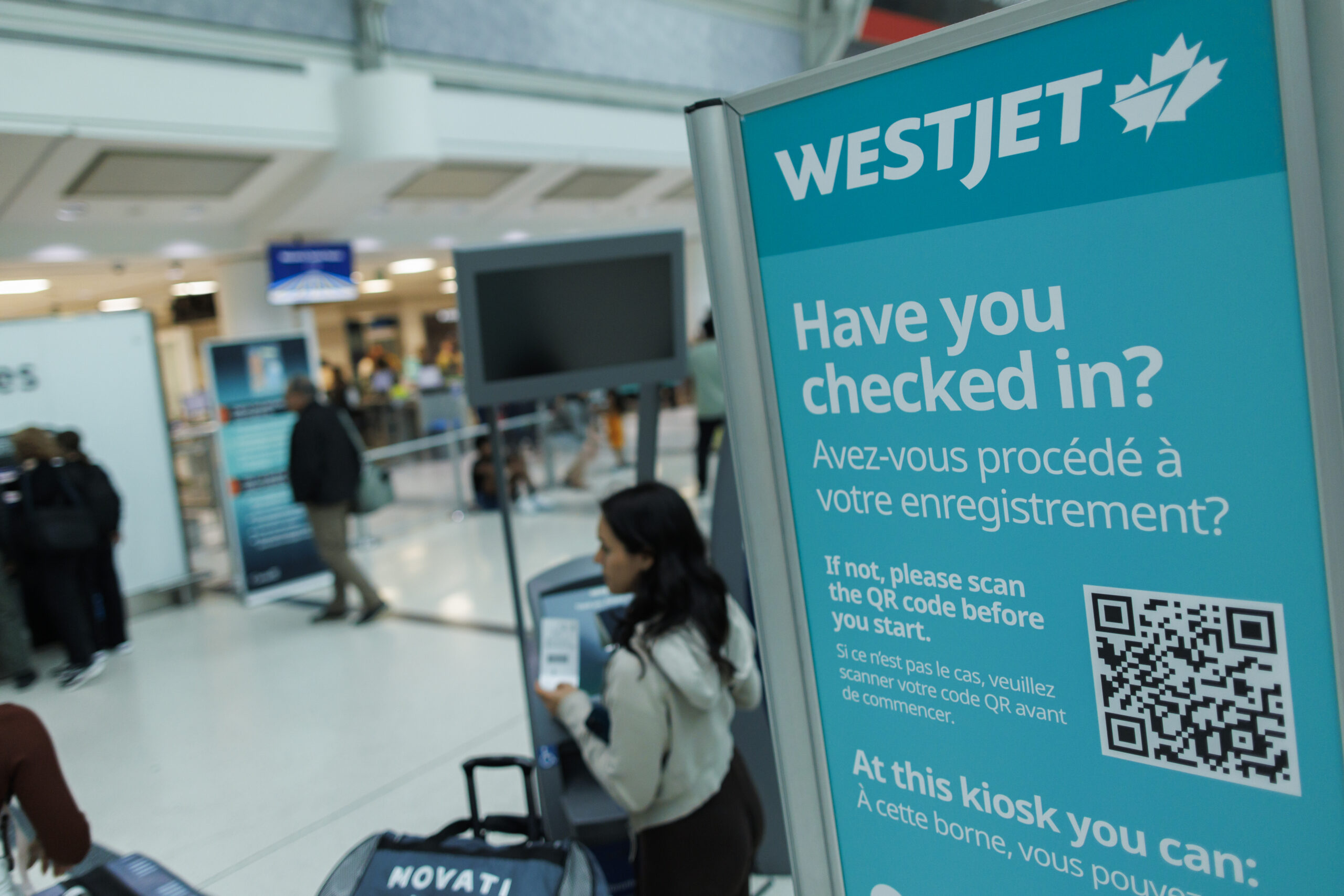
WestJet, the second largest airline in Canada, faced a strike initiated by its cabin crew on Sunday, August 2nd, as labor and management failed to reach an agreement, leading to the cancellation of flights during the peak summer travel season.
According to reports from Reuters, compensation for ground duties is a major point of contention in the negotiations. The Canadian Union of Public Employees (CUPE), representing around 4,400 WestJet cabin crew members, stated that the current compensation and “hours bank” system are unfair, resulting in cabin crew not being fully compensated for ground duties such as being on standby, flight delays, and pre-boarding, amounting to an average of about 35 unpaid hours per month.
The union demanded that the airline pay its members for all actual working hours from check-in to clocking out (covering the period before take-off and after landing).
WestJet confirmed the strike and announced plans to refund or rebook affected passengers. With approximately a 30% market share domestically, the airline has cancelled 309 flights until Sunday evening in order to “minimize the risk of passenger and aircraft disruptions.”
CUPE issued a 72-hour strike notice to the airline on Thursday, July 30th, stating that if an agreement was not reached, a strike would be held. Subsequently, WestJet also issued a lockout notice.
On Sunday, CUPE expressed that they had made every effort to reach an agreement until the last minute, but “WestJet’s proposal fell far short.”
Alia Hussain, Chair of the CUPE 8125 local chapter, stated, “We are on strike because we believe we deserve better treatment. We are ready to return to the negotiation table to seek a solution.”
Hussain also remarked, “If they had taken our demands seriously during the almost 11 months of negotiations, we would not have reached this point today.”
Alexis von Hoensbroech, CEO of WestJet, mentioned, “We presented a proposal… including pay by the hour covering all time before and after flights, offering double-digit wage increases in the first year, and addressing other priorities raised by the union. Unfortunately, the proposal was not accepted.”
The situation was deemed disappointing by Canadian Minister of Employment and Family Patty Hajdu. She stated, “A strike or lockout does not mean that agreement cannot be reached; all parties can and should come to an agreement at the negotiation table.”
This marks another major strike by cabin crew in the Canadian aviation industry, following last year’s nearly four-day strike by Air Canada cabin crew. In the past, the Canadian Industrial Relations Board (CIRB) ruled the strike by Air Canada cabin crew illegal and ordered them to return to work, an order that CUPE openly refused to follow. After several days of continued conflict and flight cancellations, the labor and management sides ultimately reached a temporary agreement, concluding the strike.
CUPE 8125 local chapter expressed hopes that the Canadian government would not intervene in the negotiation process.