
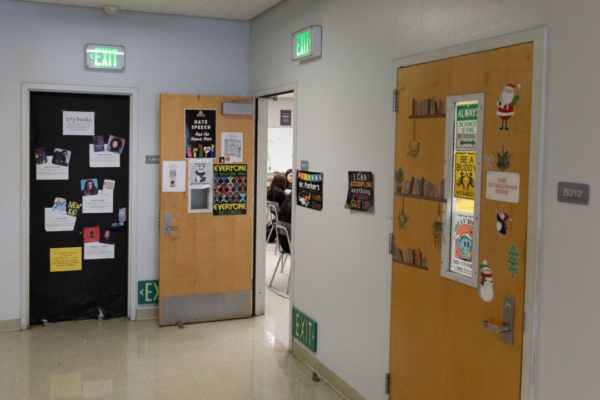
Los Angeles Unified School District (LAUSD), the second-largest school district in the United States, is facing a deadline on August 7 to overhaul its $20.6 billion budget. Due to the inability to meet financial obligations for the current and upcoming two fiscal years, the district is at risk of being taken over by the county government. One of the potential plans for the district is to close some schools and lay off approximately 6,000 employees.
In February this year, the LAUSD board passed a layoff resolution with a 4:3 vote and issued preliminary layoff notices to over 3,000 employees in March. The district is facing a $877 million funding gap in the 2026-27 fiscal year due to declining student enrollment, rising costs, and the expiration of federal COVID-19 relief funds, with a projected deficit of $1.6 billion in 2027-28.
Under pressure from the teachers’ union strike, the board revised the layoff plan and instead approved a $1.2 billion salary increase four months later. In mid-June, the United Teachers Los Angeles (UTLA) and Service Employees International Union (SEIU) Local 99 announced a negotiation victory, securing pay raises, extended work hours, better health and welfare guarantees, including a minimum wage increase to $28.49 from January 1, 2027 (California’s minimum wage is $16.5).
However, the board admitted it does not have sufficient funds to cover these costs. On July 2, the Los Angeles County Office of Education (LACOE) warned the board that without corrective measures, the district could face intervention by the county education director, appointment of financial experts or trustees to avoid insolvency, with August 7 being the deadline.
The Chief Executive Officer of the nonprofit California Policy Center, Will Swaim, criticized LAUSD for approving significant salary increases but having to fund it by cutting thousands of young employees. The district’s current plan involves closing some schools and laying off approximately 6,000 employees, most of whom belong to the two major unions; traditionally, layoffs first affect the youngest workers, many of whom are teachers.
Swaim pointed out that raising senior members’ wages at the expense of younger members is a common tactic of unions. He highlighted the “Last in, First out” (LIFO) principle hidden in the California Education Code: the layoff order in any financial crisis is based on “reverse order of entry into employment.”
Many young teachers expressed feeling betrayed, as they were not previously aware of the LIFO rule. For union leaders who have been negotiating for nearly a year, they are well versed in its operation. Swaim noted that since teacher salaries are largely based on seniority rather than performance, union negotiators benefit most from significant salary agreements, funded by the young employees being laid off and taxpayers.
A teacher who has been teaching in Los Angeles for two years anonymously said young teachers feel “betrayed.” He stated, “We supported the negotiation team all the way, including protesting in the rain and voicing support for the new contract online, but no one ever told me something like this would happen, not even once.”
Another weapon of the union is controlling district officials. In California, teacher unions and other unions financially support candidates for election, who, once elected, reciprocate the favor to the unions. Union executives openly embrace this corrupt practice. The former UTLA chair boasted, “Winning the school board election is crucial, it’s how we select our own bosses.”
According to investigative journalist Jennifer Van Laar from Townhall, UTLA installed new school superintendent Andrés E. Chait to replace the skeptical Alberto Carvalho. Chait has two close relatives serving in senior positions within the teacher union, a conflict of interest never disclosed or explained by the district.
During negotiations, union leaders claimed LAUSD had a secret reserve fund of $5 billion, enough to cover the wage increases; both teachers and every union spokesperson the reporters spoke to echoed this sentiment. However, CPC’s Marc Joffe easily debunked the union leaders’ so-called “secret reserve fund.” He concluded that the funds were allocated for specific purposes, including labor stability funds, uncertainty reserve funds, tied funds for special projects, and new reserves for agreements with the Teamsters truck drivers’ union, California School Employees Association (CSEA), and police union.
There is no secret fund, and the district lacks sufficient cash to meet the union’s demands. Joffe warned LAUSD officials to “spend judiciously” and urged the teacher union to restrain their wage demands. He foresaw that the union’s rapid advance could push the district to the financial cliff.
In April this year, as the strike deadline announced by the union loomed, long-time union supporter Los Angeles Mayor Karen Bass intervened in mediating talks between the union and the district to prevent the strike from disrupting the lives of hundreds of thousands of children and parents in need of childcare services. On April 14, she proclaimed a victory: a tentative agreement awaited formal approval from both sides.
Bass brokered concessions from the district. She stated, “Our teachers, cafeteria workers, administrators, special education assistants, janitors, bus drivers, and other dedicated employees are taking care of our children every day, and they deserve a fair contract.” However, hours later, the Los Angeles County Office of Education demanded an explanation from both sides on how the district would pay for the additional salary increases.
Subsequently, after two months of negotiations, the district and union finalized the unaffordable agreement on June 16. On that day, the district submitted a financial stability plan to the county government, but county officials were not satisfied and responded on July 2 with a memorandum citing a “lack of ongoing financial viability.”
The county believes the exorbitant labor demands approved by the district board indicate “poor management of collective bargaining processes” and has taken the first step towards a takeover by appointing a financial expert to oversee operations.
Swaim noted in his article that while negotiations unfold in Los Angeles, teacher strikes and strike threats are erupting across California. “All these districts are on strike?” questioned California Teachers Association President David Goldberg. “This is no coincidence.”
Goldberg and local union leaders across dozens of districts used similar rhetoric, alleging that the districts have hidden tens of millions or even billions of dollars in special reserve funds and threatened strikes if the districts did not comply.
In San Francisco, layoffs followed substantial pay raises. Nearby West Contra Costa Unified School District (WCCUSD), after yielding to the union, faces a county takeover; it plans to lay off the youngest teachers and is pleading with residents to approve a tax rate increase. In Oakland, the district board approved layoffs of over 400 teachers concurrently negotiating raises with the union, citing a $100 million budget deficit and threats of state takeover.
UTLA Chair Gloria Martinez called for local tax hikes, emphasizing that labor contracts were not the issue. She stated, “People have long expected the district to balance the budget by sacrificing students and teachers’ interests, but in reality, funding decisions are made by the state government.” In LAUSD, staff salaries and benefits constitute approximately 92% of the district’s total costs.
In his article titled “Children’s Sacrifice in California Schools,” Swaim drew parallels to the ancient Aztecs sacrificing children to appease the rain gods: the community believed children’s tears foretold prosperous weather. He pointed out that union leaders, upon winning negotiations, see their wishes fulfilled while the youngest teachers and their students pay the price for it.