
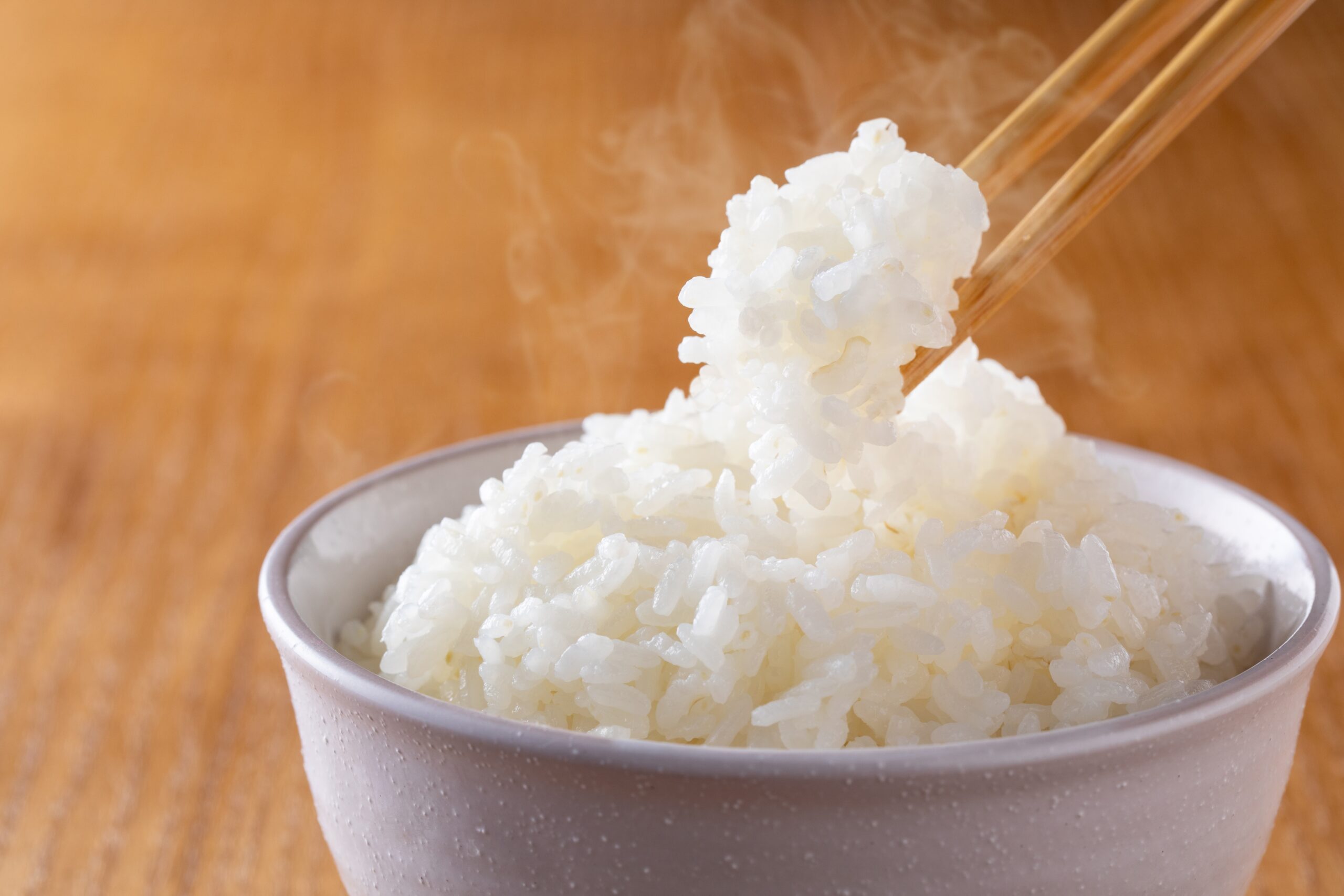
Before cooking rice, it is a common step for most families to wash it. Is it possible to skip the rinsing step and still cook fluffy, well-separated rice grains with a good texture?
Typically, rinsing rice helps to remove excess starch left from the milling process. A professor once likened rinsing rice to an “insurance policy,” explaining that it ensures each batch of rice cooked turns out light, fluffy, and well-separated grains. In theory, a quick rinse of rice can also remove dust and surface contaminants. So, what would rice cooked without rinsing look like?
Food & Wine, one of the world’s most authoritative food and wine culture websites, published an article comparing rinsed and unrinsed rice to see the differences in the cooked rice. Here’s the testing process they conducted.
All tests were conducted using a tried and true stove-top cooking method. Specifically, they used a medium-sized Dutch oven to cook rice on an induction cooktop. The rice used for testing was Basmati rice and Jasmine rice.
For each pot of rice, the ratio was: 1 cup of rice, 1.5 cups of water, and 1 teaspoon of salt. The process involved bringing the water to a boil over medium-high heat, then covering the pot, lowering the heat to maintain a simmer, and cooking for 12 minutes. Finally, the heat was turned off, the pot was moved from the heat source, the lid was kept closed, letting it sit for 10 minutes, and then fluffing the rice with a fork.
For rice that needs washing, it was first put in a large bowl and filled with cold water. Then, 1 cup of rice was placed in a fine mesh strainer and submerged in water. You could also rinse the rice directly in the strainer under running water.
Gently swish the rice grains for a few seconds, pour out the water, and repeat the process until the water becomes mostly clear, typically requiring three to four rinses. The entire process only takes a few minutes.
Let the rice soak for about 10 minutes, then thoroughly drain before cooking. For rice that doesn’t require washing, you skip the rinsing and soaking steps, but the cooking method remains the same.
After cooking the rice, it was fluffed and tasted while hot, and then left to sit for 15 minutes on the countertop before tasting again. Evaluation of each sample was based on overall texture, stickiness, and the texture after cooling slightly on the countertop.
The test results showed that washed and soaked rice had a lighter and fluffier texture compared to unwashed rice. The washed rice easily separated with a fork, showcasing a significant difference in texture when eaten: each forkful of washed rice presented distinct, individual grains, while the unwashed rice clumped together.
The most significant difference between washed and unwashed rice is in the viscosity. The rice that was washed and soaked had a uniformly soft and sticky texture, while maintaining the distinct grainy texture.
In conclusion: washing and soaking rice is recommended for achieving well-separated grains and a light, fluffy texture when cooked. However, not all types of rice require washing. Some classic dishes, like risotto and paella, benefit from retaining the starch in the rice, so rinsing may be skipped in those cases.
Additionally, you may have heard that rinsing rice helps reduce the intake of arsenic. Arsenic naturally occurs in certain groundwater sources, and excessive intake of arsenic may pose various potential health risks, such as lung diseases and cancer. According to the Food and Drug Administration (FDA) in the United States, rice absorbs arsenic faster than other crops, but rinsing rice before cooking has minimal effect on reducing arsenic levels.