
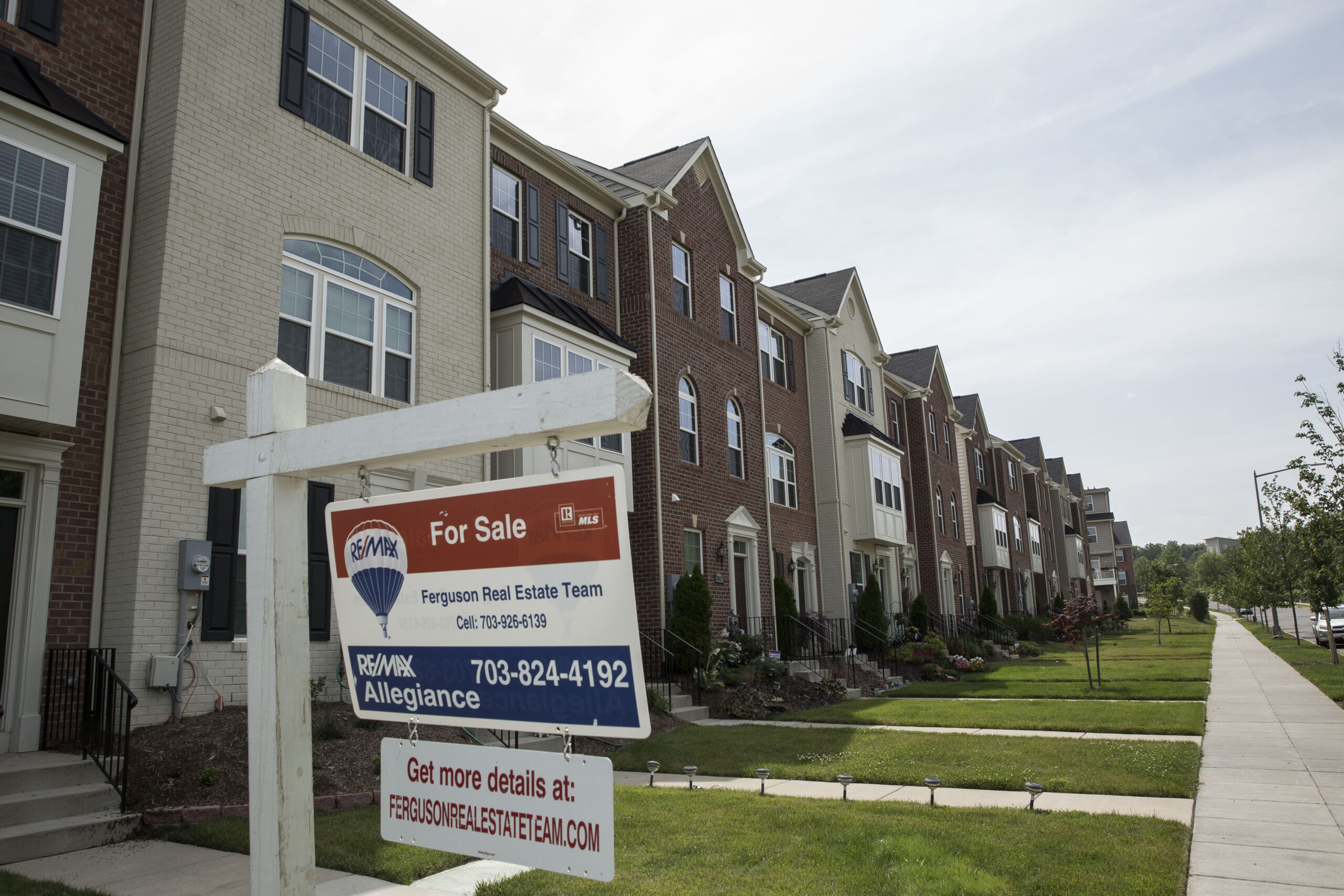
The latest research shows that the U.S. real estate market is exhibiting a “K-shaped” economic trend, with an increase in low-priced housing inventory but a decrease in sales volume, while sales of luxury homes continue to rise.
According to a report by CNBC, real estate company Zillow’s report reveals that in May, sales of entry-level homes (properties priced in the lowest third range) decreased by 5.4% year-on-year, while the supply of such homes increased by 4.5%. In May, the typical price for entry-level homes nationwide was $202,000, representing a 2.3% increase from the same period last year.
Kara Ng, Zillow’s senior economist and author of the report, stated, “Entry-level homebuyers have more choices, more opportunities for price reductions, and less competition… but the unfortunate reality is that these buyers either are unwilling or unable to purchase homes.”
Ng further explained, “Even as rent increases slow down, inflation is eroding other parts of household budgets, making it harder for people to save for a down payment on a home.”
At the same time, the report shows that sales of luxury homes (properties valued in the top 5%, with a national average price of around $1.9 million) increased by 6.2% year-on-year in May.
Ng wrote in the report, “This pattern reflects a broader economic divide: stock market gains support demand in the high-end market, while rising daily expenses burden potential first-time homebuyers.”
In other words, the real estate market reflects a broader “K-shaped economy” phenomenon, a term used by many economists to describe the gap between high-income households (experiencing significant growth in wealth and spending power) and low-income consumers facing financial pressures due to living costs.
Despite the slowdown in home prices, according to data from the National Association of Realtors, the median existing home price in June hit a record high of $440,600, a 49.2% increase from June 2020. The median price in June increased by 1.8% compared to the same period last year, significantly lower than the double-digit annual growth rates seen during the real estate market boom amid the pandemic.
Experts point out that higher mortgage rates are exacerbating the affordability challenge for potential homebuyers. As of Wednesday (August 5), the average fixed rate for a 30-year mortgage stood at 6.75%, according to Mortgage News Daily. While rates briefly dropped below 6% in late February, concerns over the Iran conflict and resulting inflation have pushed rates higher.
Daryl Fairweather, chief economist at real estate firm Redfin, stated, “Homebuyers are currently facing mortgage rates approaching 7%, in a situation of high rates and high prices, they cannot afford the cost of buying a home.”
“If mortgage rates were to drop to 5%, the affordability of homeownership would significantly improve,” Fairweather said. “You would immediately see an increase in home sales, more buyers entering the market, which would in turn lead to an increase in sellers.”
“But I think it’s somewhat unrealistic to expect this scenario to unfold,” she said. “Current indications suggest that rates will remain high for a considerable period of time.”
Fairweather noted that mortgage rates have a smaller impact on buyers in the luxury home market because they “can purchase homes by selling stocks or liquidating assets, or even without applying for a mortgage; even if they do apply for a loan, high rates may not deter them.”
Experts mentioned that monthly mortgage payments for homebuyers typically also include property taxes and insurance costs, which affect their affordability. Data from real estate data and analytics firm Cotality show that these costs have significantly increased since 2019.
Meanwhile, the bipartisan passing of the “21st Century Housing for All Act” in July aims to increase housing supply. It combines dozens of measures to encourage housing construction, expand financing options, and restrict large institutional investment purchases.
However, experts note that it may take some time for homebuyers to see the benefits. According to Realtor.com data, as of 2025, there is a shortage of over 4 million homes, and many economists suggest that reversing this trend will require time.
Fairweather also pointed out that the ability to purchase a home may mean sacrificing other economic benefits.
“One of the challenges facing young people is having to make a choice: whether to choose to live in the best job opportunities area… or choose to live in a place where it is easier to achieve the dream of homeownership at a young age, but this choice could lead to relatively lower lifelong income levels,” Fairweather said.