
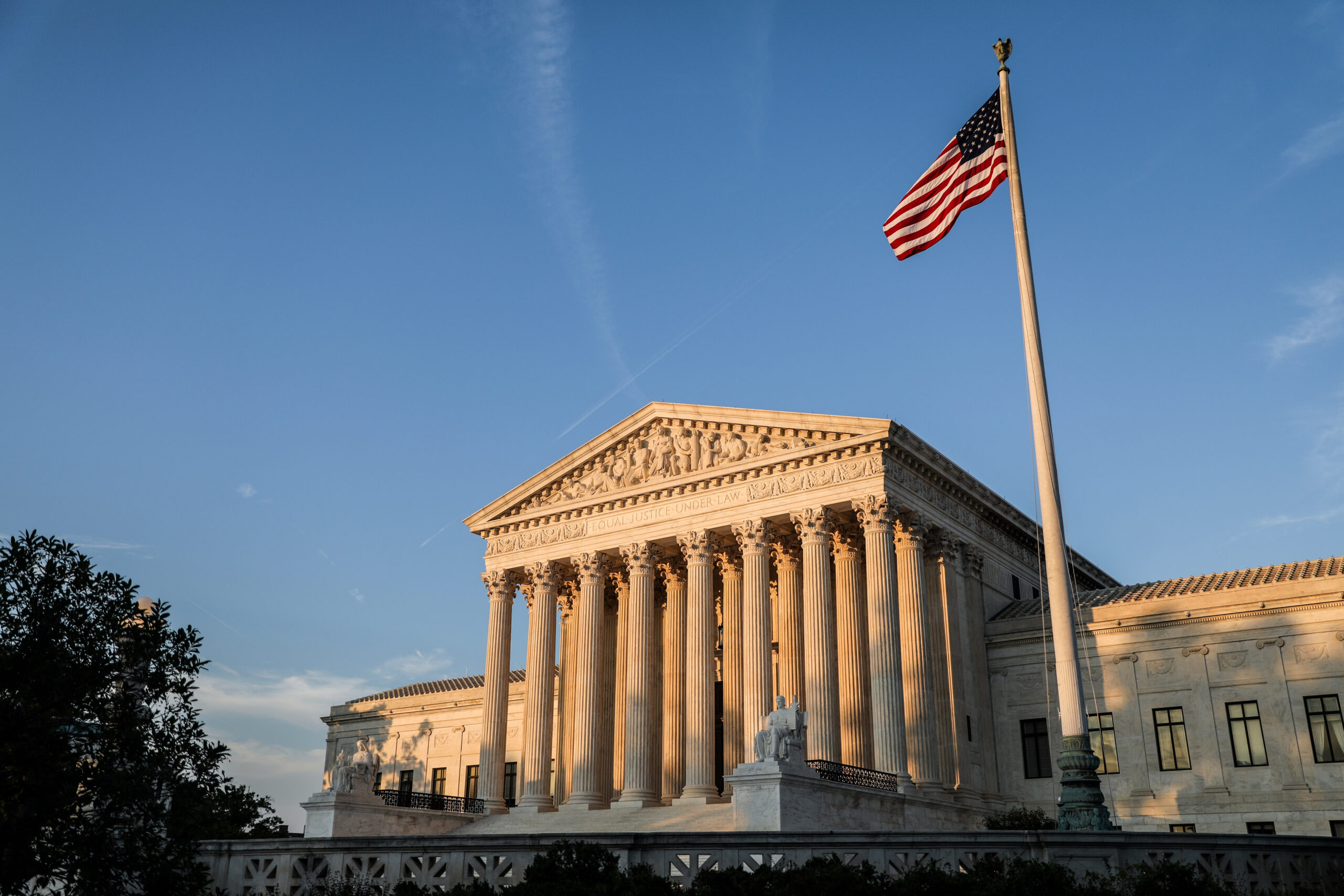
On Wednesday evening, the United States Supreme Court overturned a lower court’s stay of execution and ruled that the state of Tennessee can proceed with the injection death penalty for Christa Pike.
The Tennessee Department of Corrections subsequently issued a statement to Reuters, stating plans to “continue with the execution today.” If there is not enough time to carry out the execution, they would need to apply for new authorization from the Tennessee Supreme Court.
The decision signed by Justice Brett Kavanaugh rejected the stay of execution order issued by a panel of three judges from the 6th U.S. Circuit Court of Appeals earlier on that Wednesday.
The stay of execution was prompted by a new claim made by Pike, citing severe childhood abuse and trauma that were not adequately considered during sentencing. This was a new and different request for a stay of execution from the one rejected by the Supreme Court the previous day.
The Tennessee Attorney General’s Office immediately resubmitted an application to the U.S. Supreme Court that same day, requesting the Court to reject the latest stay of execution from the 6th Circuit Court of Appeals.
In 1995, Tennessee was rocked by a notorious murder case. At the age of 18, Pike brutally murdered 19-year-old Colleen Slemmer, leading to her death sentence. She was scheduled to receive a lethal injection in Tennessee on September 30th, becoming the first woman to be executed in the state in over 200 years.
Governor Bill Lee denied her clemency request on Monday.
On Tuesday, the U.S. Supreme Court rejected the Court of Appeals’ decision to stay the imminent execution and ruled that the death penalty could proceed as planned on Wednesday.
The Supreme Court’s decision on Tuesday stated that they “denied the stay of execution” and also refused to consider Pike’s petition for a writ of certiorari.
A writ of certiorari petition is an essential term in U.S. law, usually referring to a formal request for appeal to the U.S. Supreme Court (or a higher court). If the losing party wishes for the Supreme Court to review the case after a decision is made by the lower court, they must submit this petition.
(This article referenced reports from Reuters)