
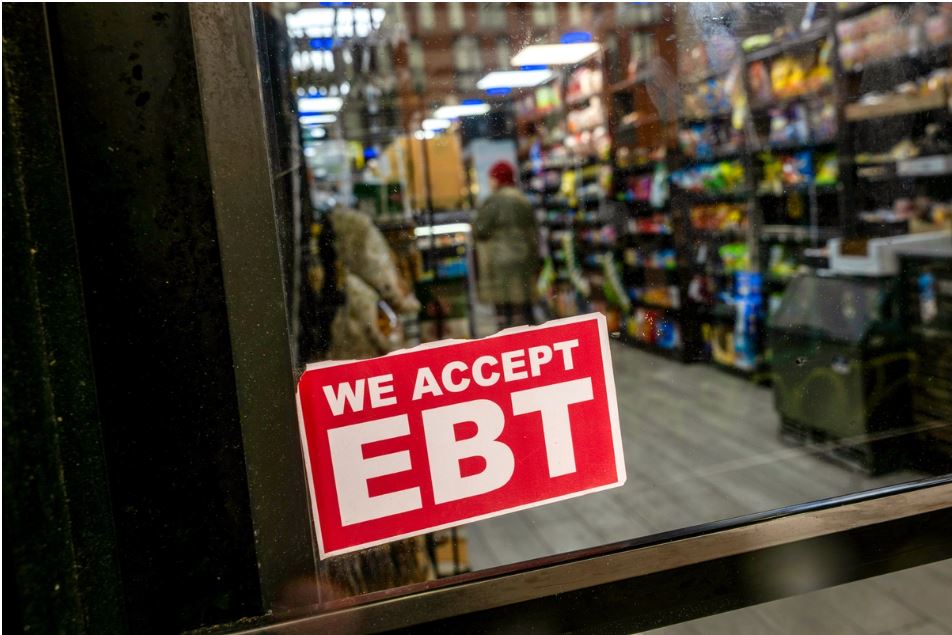
According to the latest announcement from the US Department of Agriculture (USDA), starting from October 1st, the maximum monthly benefits of the Supplemental Nutrition Assistance Program (SNAP) in most parts of the United States will be increased. In the contiguous 48 states and Washington D.C., the monthly limit for a family of four will be raised from $994 to $1,023 for the fiscal year 2027.
SNAP benefits vary based on household size and income. While most states adhere to federal uniform standards, Alaska, Hawaii, Guam, and the US Virgin Islands have their own criteria.
– Single-person household: increased from $298 to $306;
– Family of four: increased from $994 to $1,023;
– Family of eight: increased from $1,789 to $1,843;
– Household of 9 or more: for each additional person, the maximum monthly limit can increase by up to $225.
As the announced figures represent the upper limit, actual benefits will fluctuate based on household income, deductible expenses, and family size, meaning the actual amount received by each household may be lower than the limit.
Based on USDA’s monthly data, as of May 2026, the average monthly SNAP benefit per household in the US was $344.51. The total monthly expenditure on SNAP benefits has decreased from $13.4 billion in October 2022 to $6.8 billion in May 2026.
Several factors contributed to this decrease. In 2022, many states provided additional SNAP benefits due to the COVID-19 pandemic, with most states subsequently discontinuing these extra pandemic-related supplements starting in March 2023.
Additionally, the number of SNAP recipients has also declined. In July 2023, the participation in SNAP peaked at 54.6 million people, dropping to 36.5 million by May 2026.
The USDA cautions that the monthly data may be subject to revisions in the future, with the latest update as of August 14th.
States and the federal government in the US continue to negotiate cost-sharing ratios for SNAP. States are working to reduce SNAP payment error rates to avoid triggering the federal cost-sharing mechanism, which covers both overpayments and underpayments resulting from oversight or miscalculations rather than deliberate fraud.
In the fiscal year 2025, 41 states and Washington D.C. had error rates exceeding 6%, per the One Big Beautiful Bill Act. Failure to improve could lead to states assuming a portion of welfare costs starting in October 2027 (fiscal year 2028).
Virginia no longer allows applicants to self-report income and expenses without verification. Louisiana offers a $1,500 incentive to staff responsible for managing the program to keep error rates below 4%. Mississippi is in the process of replacing its 35-year-old outdated eligibility review system, while Minnesota is investing millions in technology upgrades to address new cost-sharing pressures.
Starting this October, states will also bear a higher percentage of SNAP administrative costs. Under the One Big Beautiful Bill Act, the federal reimbursement rate for state SNAP administrative costs will decrease from 50% to 25%, with states responsible for the remaining 75%.