
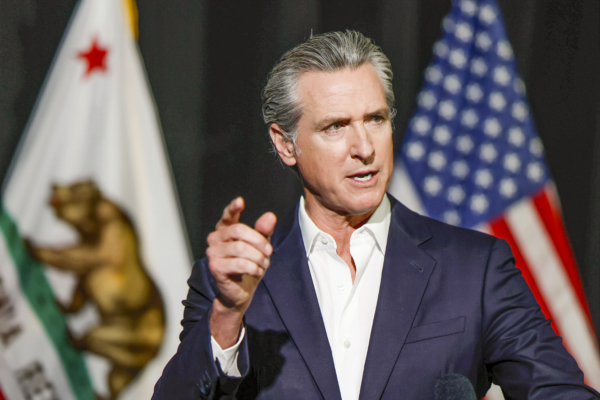
On September 27, California Governor Newsom vetoed the AB2502 bill, which aimed to hold drivers using car autonomous driving assistance accountable under California DUI laws if they are drinking alcohol or consuming drugs while using the technology.
AB2502 targeted driving assistance systems like Tesla’s “Autopilot,” which require the driver to supervise the vehicle at all times. Even if the system is controlling the steering, braking, or acceleration of the vehicle, the driver is still required to be in the driver’s seat overseeing the vehicle and ready to take control of the vehicle’s movement (such as steering, braking, or accelerating) when necessary. This situation would legally be considered as “driving.”
Therefore, according to the bill, drivers cannot use the excuse of “the car was not being driven by me” to evade responsibility for DUI, drugged driving, or other related criminal charges, even if they have activated Autopilot or similar driving assistance features.
Governor Newsom vetoed AB2502 and recommended that legislators reconsider the issue next year, citing several reasons for not signing the bill.
“I support the goal of the bill’s authors, which is to ensure that drivers cannot evade responsibility for driving under the influence of alcohol or drugs by using partially automated technology,” Newsom wrote in his veto statement. “Unfortunately, as currently written, the bill introduces significant uncertainty into DUI laws, which could lead to unintended consequences, making it more difficult to hold impaired drivers accountable for their dangerous actions.”
Newsom pointed out that the bill used terms such as “driving assistance function” that are not clearly defined and inconsistent with existing standards, potentially requiring law enforcement, prosecutors, and courts to first address complex issues related to vehicle software and functionality before determining whether an individual impaired by alcohol or drugs legally constitutes as “driving.”
The bill was introduced by Democratic State Assemblymember Gail Pellerin from Santa Cruz, who stated that she proposed the bill following an incident on the San Francisco Bay Bridge in 2018.
In that incident, a Tesla driver lost consciousness on the bridge with a blood alcohol level twice the legal limit. The driver, upon awakening, argued that they were not driving under the influence as the vehicle was in Autopilot mode.
Pellerin added, “Such incidents are becoming more frequent because consumers are misled into thinking that using the ‘Autopilot’ system is acceptable even under the influence of alcohol or drugs.”
She further stated, “Companies using misleading language in their advertisements and exaggerating the capabilities of vehicles exacerbate this confusion, leading consumers to believe that these vehicles have full autonomous driving capabilities.”
The Southern California Automobile Club and the American Automobile Association (AAA) chapters in Northern California, Nevada, and Utah supported this measure, believing that the bill addresses loopholes in DUI enforcement and prevents the misuse of partially automated systems.
While Pellerin did not specifically name Tesla in the bill, Tesla and its CEO Elon Musk have previously countered allegations of misleading advertising related to Tesla’s Autopilot system in California. In court filings, they argued that the claims were not misleading and were protected speech under the law.
As of the deadline, Pellerin had not responded to requests for comment on the Governor’s veto of the bill.