
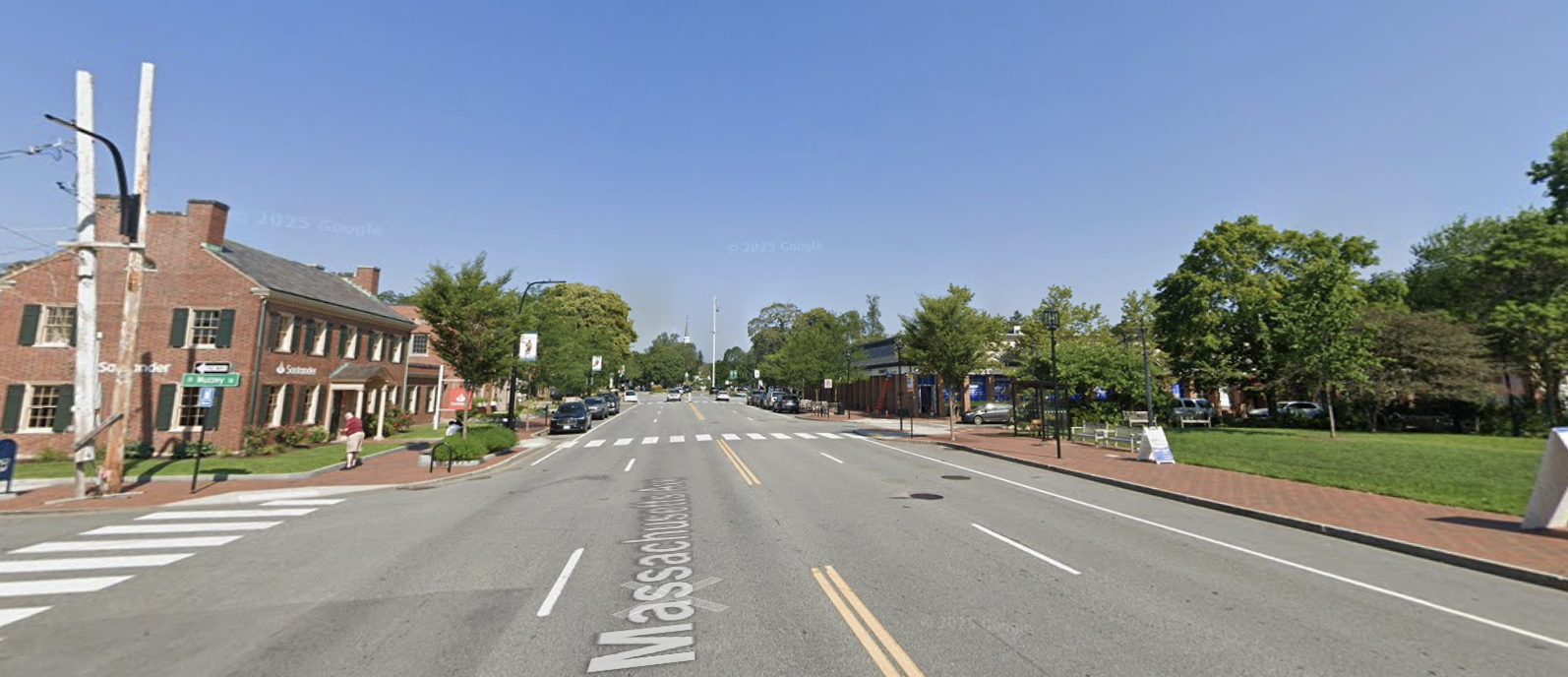
WalletHub, a personal finance website, released the ranking of the best small cities in the United States for 2026 on Tuesday, September 29. The town of Lexington, located near Boston in Massachusetts, clinched the top spot.
In this study, a total of 1,318 cities with populations ranging from 25,000 to 100,000 were compared based on 45 livability indicators. The indicators covered five aspects: affordability, economic health, education and health, quality of life, and safety, with each aspect holding 20 points. Data for the study was collected up to September 1, 2026.
Rounding out the top five rankings after Lexington were Brookfield, Wisconsin; Carmel, Indiana; Apex, North Carolina; and Saratoga Springs, New York.
Chip Lupo, an analyst at WalletHub, noted, “Moving from a bustling metropolitan area to a small city can significantly reduce the cost of living.” He emphasized that the best small cities boast strong job markets, quality education and healthcare systems, safe living environments, and local charm. While small cities may lack certain advantages of major metropolises like robust public transportation systems, they make up for it in other areas.
According to the report, Lexington ranked 4th lowest in property crime rates among the cities surveyed, 21st lowest in violent crime rates, 12th lowest in per capita deaths from car accidents, and 17th lowest in per capita deaths from drunk driving incidents.
In terms of economics, Lexington boasted a median household income exceeding $238,000, ranking among the top in the nation; the median credit score for residents was 783, ranking 9th highest.
For health metrics, the city ranked 4th highest in the proportion of population with health insurance, 13th lowest in the percentage of adults self-reporting “poor or fair” health status, and 24th highest in the number of fitness centers per capita. WalletHub also rated Massachusetts as the state with the best school system in the U.S.
In second-ranked Brookfield, the unemployment rate stood at 3%, and the poverty rate was 3.2%, ranking 10th lowest among the surveyed cities. The median credit score for residents was 785, ranking 7th highest. Nearly 98% of the population had health insurance, placing it 15th highest.
Carmel, ranked third, had an unemployment rate of 2.9%, a median household income of nearly $142,000, and rent comprising approximately 15% of median household income. The median credit score for residents was 774, ranking 18th highest. The city had the 9th lowest percentage of adults self-reporting “poor or fair” health status and the 21st lowest premature death rate.
Among the top ten cities, Massachusetts also had Milton and Arlington ranking 7th and 8th, respectively. Rounding out the 6th to 10th positions were Westfield, Indiana; Milton, Massachusetts; Arlington, Massachusetts; Franklin, Tennessee; and Fishers, Indiana.
WalletHub’s report cited a survey by Ipsos from October 2024, indicating that 47% of Americans expressed a preference for living in the suburbs, while 24% favored cities and 23% preferred rural areas.
The report also referenced data on family budgets from the Economic Policy Institute (EPI). In Hanford, California, a family of four comprising parents and two children incurred monthly living costs of around $8,417. In contrast, a similar family in San Francisco required $19,275 per month, more than twice the former’s expenses.