
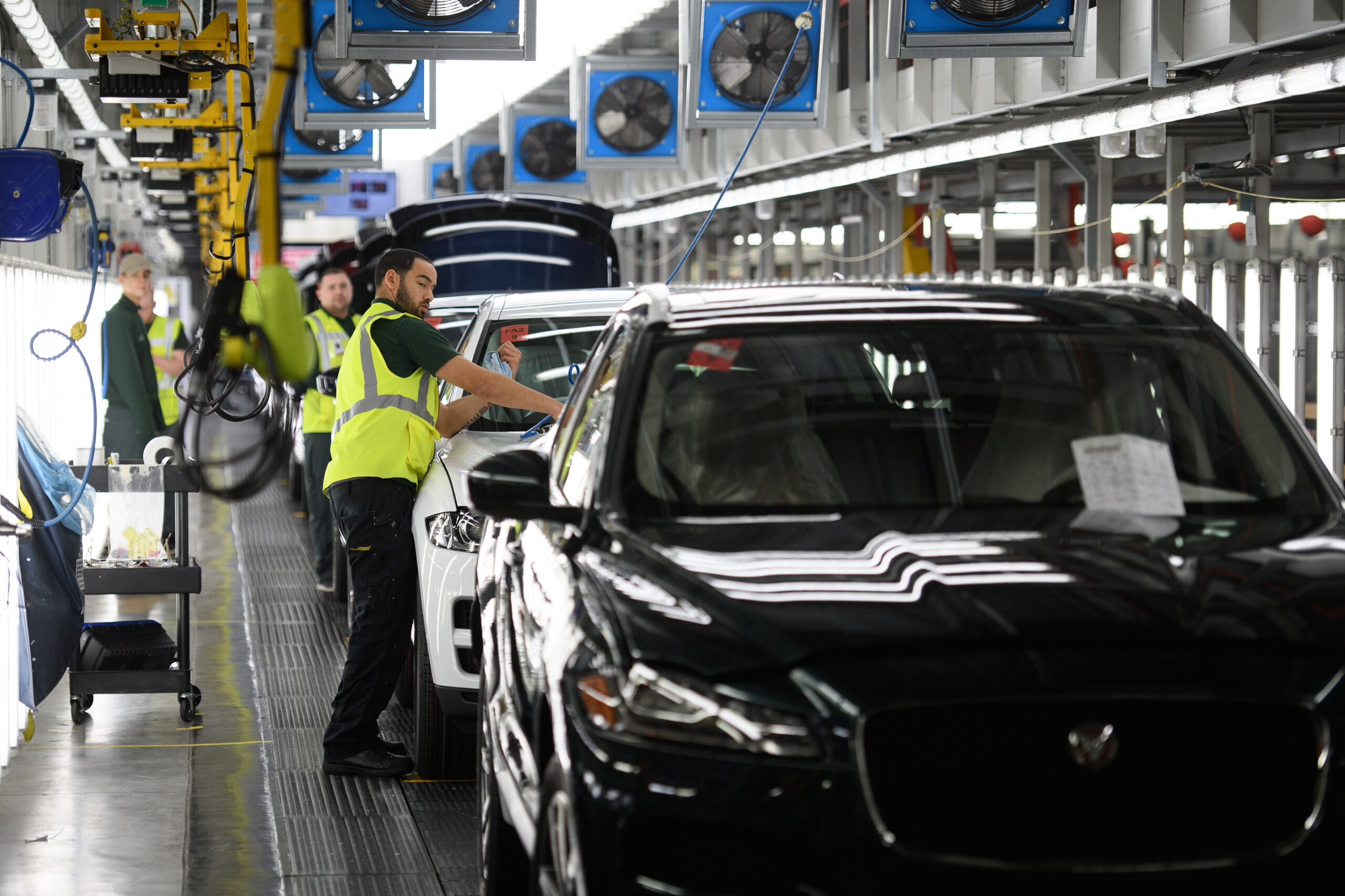
British luxury car manufacturer Jaguar Land Rover announced on Monday (September 7) that it plans to reduce nearly 10% of its workforce through a voluntary redundancy scheme in the next two years. This decision comes amidst increasing competition and pressures from China in the automotive industry.
According to Reuters, Jaguar Land Rover will cut around 4,000 jobs to save £1.7 billion ($2.3 billion) and aims to bring its breakeven point to around 300,000 vehicles.
The company currently employs about 43,000 staff worldwide, with 34,000 in the UK. However, details on where the job cuts will take place have not been disclosed.
PB Balaji, the CEO of Jaguar Land Rover, stated in a press release, “The automotive industry is facing significant challenges with technological changes amid intense competition and ongoing geopolitical uncertainties.”
Last week, German car manufacturer Volkswagen approved a plan to further cut 50,000 jobs to address tariffs, overcapacity, and competition from Chinese rivals.
Jaguar Land Rover is also gradually recovering from a severe cyberattack that occurred in 2025, causing significant damage. The attack led to a temporary halt in production and disrupted the operations of suppliers.
The company has announced plans to launch five new products in the next 12 months and continue to invest £15-18 billion over the next five years in electrification, digital technology, advanced manufacturing, and customer experience enhancements.
However, Jaguar Land Rover also emphasized the need to cut costs and streamline its organizational structure to strengthen business resilience.
British Business Secretary Jonathan Reynolds held discussions with CEO PB Balaji of Jaguar Land Rover on Monday and plans to meet with the company and union representatives later this week.
A spokesperson for the UK Prime Minister stated, “We understand that this will be a period of uncertainty and concern for the affected employees, their families, and the wider community. We also recognize that the current market environment is presenting challenges to the global automotive industry.”