
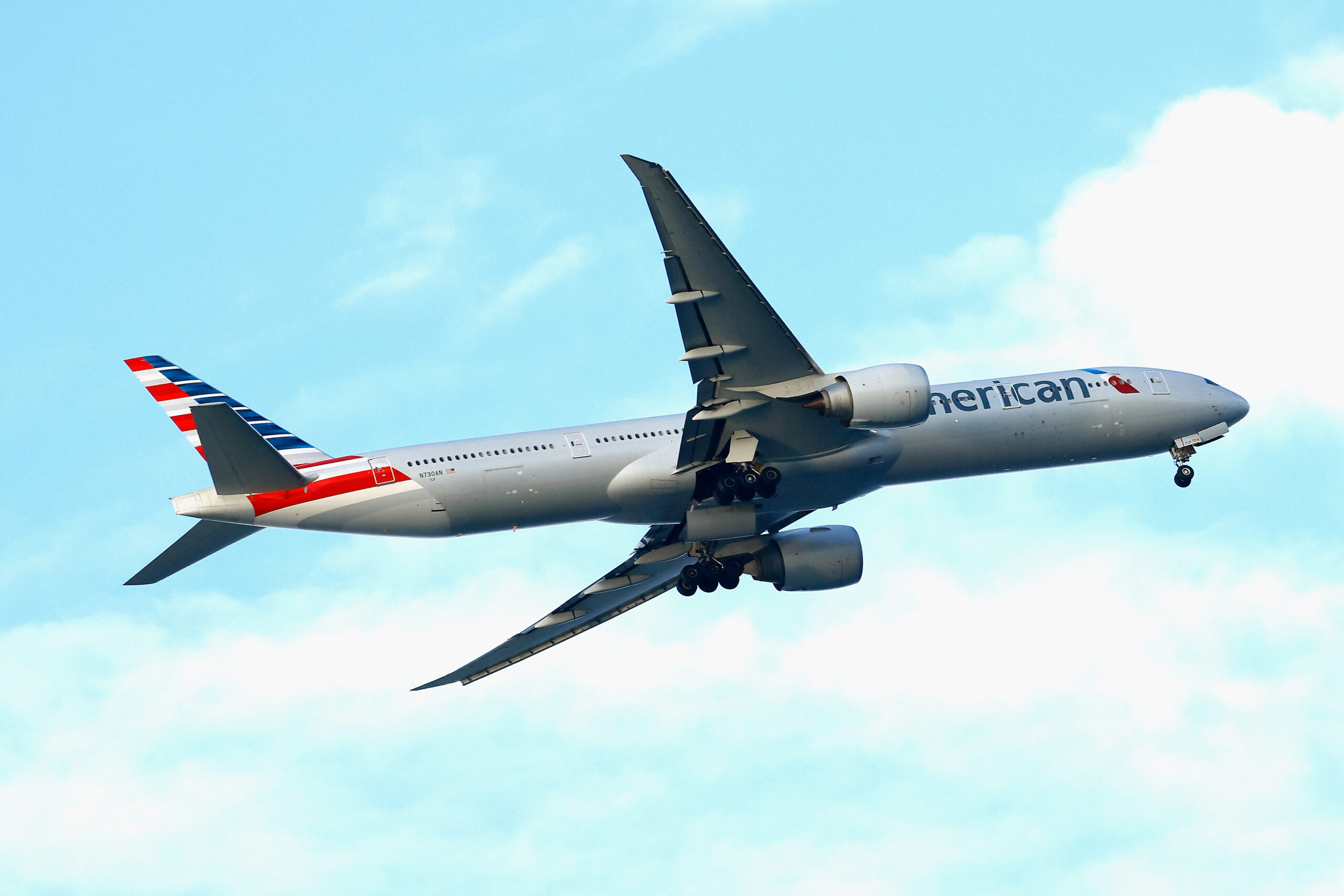
In some cases, you may encounter a situation where there are only a few passengers on an entire plane. Intuitively, this situation may seem like a loss for the airline. So, is it possible for a flight with no half passengers to take off? This may seem illogical, yet for various reasons, a flight with no passengers can indeed operate as usual.
According to the aviation news website “Simple Flying,” airlines always consider the bigger picture and do not just focus on the profitability of individual flights. For example, a flight from San Francisco to Los Angeles may have only a few passengers on the outbound leg, but the return leg could be fully booked. In such cases, canceling the outbound flight is not cost-effective as it would also mean canceling the return flight.
Furthermore, if the flight was originally scheduled to fly to a destination further away like Seattle, canceling it would pose scheduling challenges for the airline, including aircraft and crew scheduling, leading to operational chaos on a larger scale.
Airlines may operate empty flights due to operational considerations. For instance, this could be for pilot training purposes. During the COVID-19 pandemic, even though passenger services were disrupted, pilots still had to fly to maintain their proficiency on the aircraft they operate, ensuring the validity of their licenses.
During maintenance or testing scenarios, flights may operate without passengers. For example, if a technical issue occurs mid-flight, airlines typically deploy another aircraft and crew to pick up passengers without carrying anyone.
There are other operational reasons that may result in flights operating without passengers, such as when new aircraft are delivered to a base or during aircraft retirement. Additionally, when airlines receive new aircraft models from manufacturers, they must conduct “validation flights” to demonstrate the aircraft’s capability to perform typical commercial flight tasks. Airlines must arrange for the aircraft to fly on scheduled routes with cabin crew on board to identify any potential issues before passenger service commences.
Another scenario is transporting cargo. Airlines rarely cancel flights with no passengers or only a few passengers as these flights often carry cargo that needs to be unloaded at the destination. Airlines consider factors like flight demand, available aircraft, economic conditions, regional conflicts, and uncontrollable factors such as diseases to optimize their flight schedules.
The direct operating costs for airlines include fuel expenses, employee salaries, airport fees, maintenance costs, among others. Flights with no passengers or only a few passengers may not generate enough revenue to cover these costs.
However, if these flights are canceled, airlines sometimes have to rebook passengers, provide compensation (such as accommodation and meals), which can put additional pressure on the customer service department. Overall, the cost of canceling these flights may outweigh the cost of allowing them to operate as normal.
For airlines, operating empty or positioning flights are not uncommon. Aircraft often depart bases empty to pick up passengers from point A to point B and return the next day without passengers, depending on how the operations department schedules the flights.
From a passenger’s perspective, it is rare for an airline to cancel a flight just before departure. This may occur when there are technical issues with the aircraft, and the airline must make alternative arrangements.
Inclement weather can also lead to flight delays or cancellations. In such cases, major hub airports of large airlines usually have priority in adjusting flights. In contrast, smaller airlines are more likely to cancel flights with fewer passengers.
In conclusion, if you find a flight with seemingly no passengers when checking the seating chart, you should not assume that it will be canceled. Unless there are circumstances beyond control, most flights operate as scheduled, and airlines try to avoid disrupting their flight schedules as much as possible.
If you happen to be the sole passenger on a flight, you may enjoy VIP-level service provided by all crew members. Such a case occurred three years ago in June 2023 when American man, Phil Stringer, was the only passenger on an American Airlines flight from Oklahoma to North Carolina. Despite a delay of approximately 18 hours due to stormy weather, Stringer boarded the flight where he received exclusive service from the crew, interacted with them, and even made friends onboard.